











































Post Preview
Ensuring safety across workplaces, roadways, and public environments has never been more vital. Numerous safety initiatives and modern technologies are driving down accident rates, helping protect lives and property while promoting operational efficiency. Enhanced awareness, along with responsive support from organizations such as Fasig | Brooks Law Offices, ensures that both prevention and legal recourse are accessible to those affected by accidents.
Sectors ranging from transportation and logistics to construction and city planning are implementing cutting-edge strategies to combat risks. By blending technology-driven solutions, educational outreach, and legislative action, these efforts create pathways to safer experiences for individuals and businesses alike. Advanced safety systems, structured safety programs, and effective public policies all play important roles in making environments more secure for everyone.
Key Takeaways
- Advanced technologies like AI-powered safety systems and telematics are driving significant reductions in accident rates.
- Strategic programs such as Vision Zero and the STEP Health and Safety Management System foster safety-conscious cultures.
- Local, state, and national legislative measures, including seat belt laws and automated enforcement, are effective in saving lives and decreasing injuries.
AI-Powered Safety Systems
Artificial Intelligence is transforming how companies and municipalities approach safety. AI-driven tools can analyze real-time data to assess risk factors and prevent incidents before they occur. In the transportation industry, for example, companies that have adopted AI-based safety platforms have observed crash rates drop by as much as 73% over a 30-month span. AI not only reviews historical trends but also provides real-time alerts, empowering drivers and operators to quickly correct unsafe behaviors. AI is helping reduce both the frequency and severity of workplace accidents by delivering actionable insights directly to front-line workers and supervisors.
Telematics and Fleet Management
Telematics refers to the integrated use of telecommunications and informatics to monitor vehicles and drivers in real time. In fleet management, telematics systems monitor factors such as speed, braking patterns, and vehicle maintenance needs. By identifying and addressing risky behaviors, companies see fewer incidents and lower operational costs. Research from the National Safety Council indicates that using modern telematics can reduce accident rates by up to 20%, while also enhancing accountability and safety culture within organizations. Drivers benefit from immediate feedback and coaching, creating lasting habits that help make roads safer for everyone.
Vision Zero Initiatives
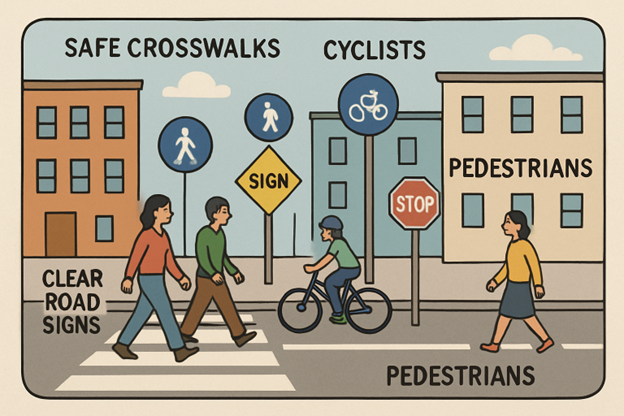
Vision Zero is a bold global movement aimed at eliminating traffic fatalities and serious injuries. First adopted in Sweden, this philosophy has been embraced by cities like New York and San Francisco, among others. Vision Zero initiatives focus on proactive measures such as lowering speed limits, redesigning intersections, and improving pedestrian and cyclist infrastructure. These interventions have helped major cities achieve sustained reductions in fatal and severe traffic incidents, emphasizing that traffic deaths are preventable.
Construction Industry Safety Practices
The construction industry is historically one of the most hazardous sectors, but proactive safety programs have delivered remarkable results. The STEP Health and Safety Management System stands out as an effective framework, guiding employers through a series of incremental steps to build a comprehensive safety culture. Companies committed to the STEP system record workplace incident rates more than six times safer than the industry average. A combination of ongoing training, hazard identification, and strong leadership commitment helps sustain these outcomes over time, providing evidence that structured programs are essential for maintaining workplace safety and reducing accident rates.
Legislative Measures: Seat Belt Laws
Seat belt laws are among the simplest yet most impactful legal measures for reducing crash-related deaths. Mandatory seat belt use in vehicles correlates with significantly fewer fatalities and injuries, with data from the National Highway Traffic Safety Administration showing that seat belts reduce driver death risk by nearly 48%. In a single year, seat belt usage in the United States has been credited with saving more than 15,000 lives. Enforcing seat belt compliance remains a critical component of traffic safety and has become a benchmark for other life-saving public health initiatives.
Traffic Enforcement Cameras
Automated enforcement systems, such as speed and red-light cameras, play an increasingly important role in discouraging risky behaviors and reducing collision rates. New York City’s extensive speed camera network, for example, has achieved a 30% decrease in collisions and a 16% reduction in related injuries. These cameras deter dangerous driving behaviors, provide consistent enforcement, and supplement police efforts, changing public perceptions of road safety. Cities adopting these systems observe quick results and improved compliance among motorists.
Conclusion
Innovation, structured programs, and strong legislative frameworks are all integral to reducing accident rates across multiple environments. By harnessing the latest technological advancements and embedding them alongside evidence-based policies, communities and organizations foster safer conditions for everyone. These proven initiatives not only save lives but also promote accountability, efficiency, and an enduring culture of safety in every sector.
Find a Home-Based Business to Start-Up >>> Hundreds of Business Listings.


