








































Introduction
The intersection of the Pentagon, Big Tech companies, and innovative vehicles like the Tesla Cybertruck is shaping the future of defense, mobility, and technology. As governments increasingly collaborate with private tech firms, new opportunities are emerging in areas such as electric vehicles, artificial intelligence, and advanced logistics.
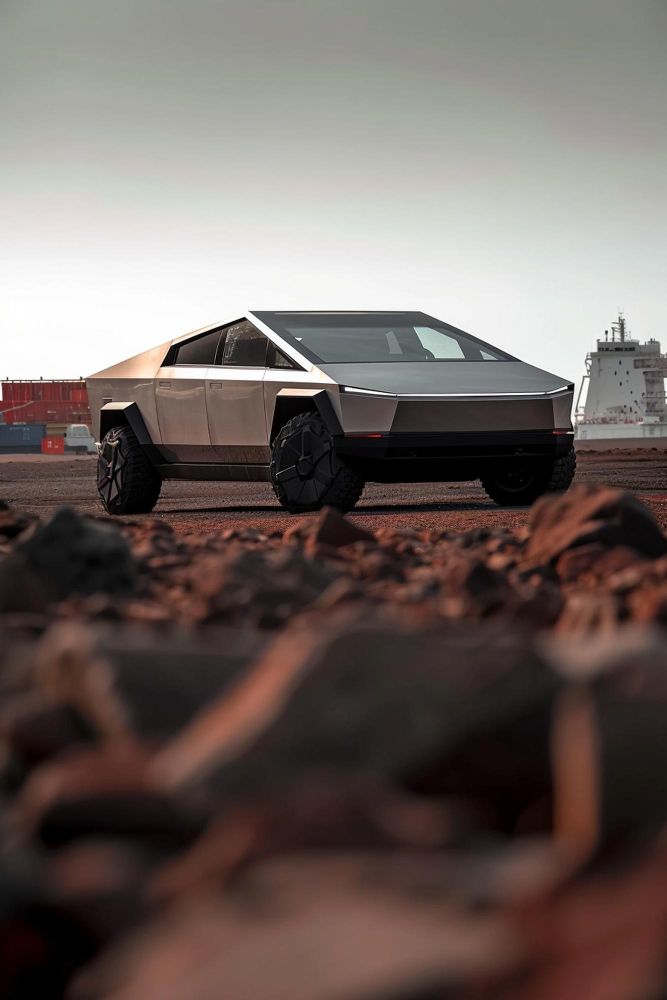
The Cybertruck, developed by Tesla, has attracted attention not only for its futuristic design but also for its potential applications beyond consumer markets—including military and government use.
This article explores the relationship between the Pentagon Big Tech Tesla Cybertruck, analyzing trends, real-world implications, and what this “Pentagon, Big Tech, Tesla Cybertruck” convergence means for the future.
Quick Answer: What Is the Connection?
The connection lies in growing collaboration between defense agencies, technology companies, and advanced vehicle manufacturers to improve innovation, mobility, and national security capabilities.
Key Takeaways
- Defense agencies are working with tech companies
- Electric vehicles are gaining military interest
- Tesla Cybertruck represents next-gen mobility
- AI and automation are transforming defense
- Public-private partnerships are increasing
Understanding the Key Players
The Pentagon
The Pentagon oversees:
- Defense strategy
- Military operations
- Technology procurement
Big Tech Companies
Includes firms involved in:
- Artificial intelligence
- Cloud computing
- Cybersecurity
Tesla & Cybertruck
The Tesla Cybertruck is known for:
- Electric powertrain
- Durable design
- Advanced technology features
Why the Tesla Cybertruck Is Relevant
1. Durability
The Cybertruck features:
- Strong exterior materials
- Impact-resistant design
2. Electric Efficiency
- Lower fuel dependency
- Reduced emissions
3. Advanced Technology
- Autonomous capabilities
- Smart systems integration
Role of Big Tech in Defense
1. Artificial Intelligence
Used for:
- Data analysis
- Predictive systems
2. Cloud Computing
Enables:
- Secure data storage
- Real-time communication
3. Cybersecurity
Protects:
- Military infrastructure
- Sensitive information
Comparison Table: Traditional Military Vehicles vs Cybertruck
| Feature | Traditional Vehicles | Tesla Cybertruck |
| Fuel Type | Diesel/Petrol | Electric |
| Maintenance | High | Lower |
| Technology | Moderate | Advanced |
| Sustainability | Low | High |
Step-by-Step: How Defense-Tech Collaboration Works
Step 1: Technology Development
Private companies innovate
Step 2: Government Evaluation
Defense agencies assess applications
Step 3: Testing & Trials
Real-world performance testing
Step 4: Integration
Technology adopted into systems
Step 5: Deployment
Used in operations
Real-World Use Cases
Military Logistics
Electric vehicles for transport
Emergency Response
Fast and efficient mobility
Security Operations
Advanced tech integration
Expert Tip
The future of defense lies in collaboration with private tech innovators, not just traditional contractors.
Industry Insights & Trends
- Defense budgets increasingly include tech investments
- Electric vehicles are gaining traction globally
- AI is becoming central to military strategy
Common Mistakes to Avoid
- Assuming all tech is immediately deployable
- Ignoring infrastructure limitations
- Overestimating short-term adoption
Best Practices for Future Readiness
- Invest in innovation
- Build partnerships
- Focus on scalability
- Ensure cybersecurity
Challenges and Limitations
1. Infrastructure
Charging networks required for EVs
2. Cost
High initial investment
3. Security Concerns
Data protection and cyber threats
Future of Pentagon + Big Tech Collaboration
1. Increased Partnerships
More joint projects
2. Advanced Vehicles
Electric and autonomous systems
3. AI Integration
Smarter defense systems
Why This Matters
This convergence impacts:
- National security
- Technology innovation
- Global competition
FAQ Section
1. Why is the Pentagon interested in Tesla Cybertruck?
Because of its durability, electric efficiency, and potential for advanced applications in logistics and operations.
2. How does Big Tech support defense?
Through AI, cloud computing, and cybersecurity solutions that enhance military capabilities.
3. Is the Cybertruck used by the military?
There is no widespread official deployment yet, but interest and potential use cases exist.
4. What are the benefits of electric vehicles in defense?
Lower fuel costs, reduced emissions, and quieter operations.
5. What challenges exist?
Infrastructure, cost, and cybersecurity risks are major concerns.
6. Will this trend grow in the future?
Yes, collaboration between defense and tech companies is expected to increase.
Find a Home-Based Business to Start-Up >>> Hundreds of Business Listings.