









































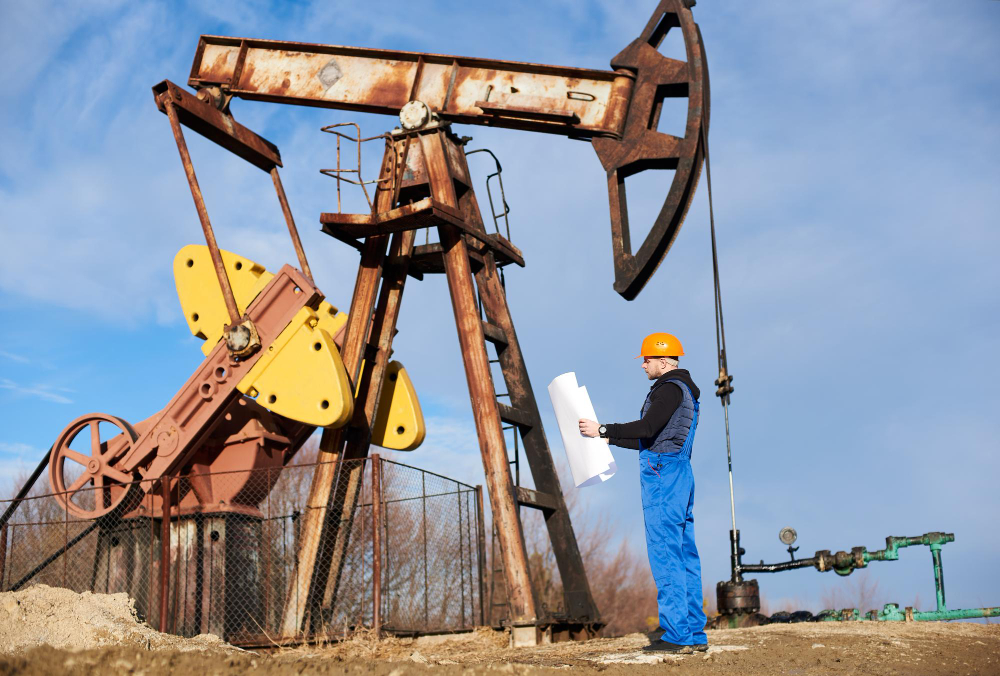
A major shift in U.S. energy policy is underway as the U.S. House of Representatives moves to block future presidential drilling bans. This decision has significant implications for oil, gas, and fracking companies, as well as environmental regulation and global energy markets.
For those searching “House blocks future presidential drilling bans”, the key question is: what does this policy change actually mean for the industry, investors, and long-term energy strategy?
In this HBM guide, we provide a comprehensive breakdown of the legislation, its economic and political impact, and what it signals for the future of energy production.
Quick Answer: What Does This Policy Change Do?
Short Answer:
The House action limits the ability of future presidents to impose unilateral bans on drilling, aiming to provide regulatory stability and support for domestic energy production.
Core Impact:
- Reduces executive authority
- Increases certainty for energy companies
- Impacts environmental policy decisions
Key Takeaways
- The bill restricts future presidential drilling bans
- Supports oil, gas, and fracking industries
- Provides long-term regulatory stability
- May increase domestic energy production
- Raises environmental and political debates
Understanding the Policy Change
What Happened?
The House passed legislation designed to:
- Prevent future administrations from imposing broad drilling bans
- Require additional approvals or oversight
- Limit executive power in energy regulation
Why It Matters
This move represents a shift from:
- Executive-driven policy → Legislative oversight
- Short-term restrictions → Long-term planning
Impact on Oil, Gas, and Fracking Companies
1. Increased Operational Certainty
Energy companies benefit from:
- Predictable regulatory environment
- Long-term investment planning
- Reduced risk of sudden policy changes
2. Growth Opportunities
- Expansion of drilling operations
- Increased exploration activities
- Stronger domestic production
3. Investor Confidence
- More stable policy attracts investment
- Reduced regulatory risk improves valuations
Impact on Energy Markets
Supply and Pricing
- Increased production may stabilize prices
- Reduced reliance on imports
Global Competition
- Strengthens U.S. position in global energy markets
- Enhances export potential
Environmental and Policy Implications
Environmental Concerns
Critics argue:
- Increased drilling may impact climate goals
- Environmental protections could weaken
Policy Debate
The decision highlights the tension between:
- Economic growth
- Environmental sustainability
Comparison Table: Before vs After Policy
| Aspect | Before | After |
|---|---|---|
| Presidential Power | High | Limited |
| Industry Certainty | Low | High |
| Investment Risk | Higher | Lower |
| Regulatory Stability | Uncertain | More Stable |
Step-by-Step: How This Impacts the Industry
1. Legislative Shift
Power moves from executive decisions to Congress.
2. Industry Response
Companies adjust strategies based on stability.
3. Investment Growth
More capital flows into energy projects.
4. Market Adjustment
Supply and pricing respond over time.
Real-World Use Cases
Energy Companies
- Plan long-term drilling projects
- Increase production capacity
Investors
- Evaluate energy sector opportunities
- Benefit from reduced regulatory risk
Policymakers
- Balance economic and environmental priorities
Expert Insights
Energy experts note:
- “Regulatory stability drives investment”
- Policy consistency is critical for large-scale projects
- Energy independence remains a strategic priority
Statistics & Industry Trends
- Energy demand continues to rise globally
- Domestic production reduces reliance on imports
- Policy changes directly influence market behavior
Common Mistakes in Understanding the Policy
- Assuming it eliminates all regulation
- Ignoring environmental considerations
- Overlooking long-term economic impact
- Misinterpreting legislative vs executive roles
Best Practices for Stakeholders
- Monitor regulatory developments
- Diversify energy investments
- Balance economic and environmental strategies
- Stay informed on policy changes
Expert Tip
Policy stability is key for long-term investment.
Industries like oil and gas rely heavily on predictable regulations to plan large-scale projects.
FAQ Section
1. What does it mean that the House blocked drilling bans?
It means future presidents may have limited authority to impose broad drilling bans without additional approval, shifting more control to Congress.
2. How does this affect oil and gas companies?
It provides regulatory stability, allowing companies to plan long-term investments and expand operations with less uncertainty.
3. Will this increase energy production?
Yes, the policy could lead to increased domestic energy production by removing barriers to drilling activities.
4. What are the environmental concerns?
Critics argue that increased drilling may negatively impact climate goals and environmental protection efforts.
5. How does this impact energy prices?
Increased production may help stabilize or lower energy prices over time by improving supply.
6. Does this eliminate all drilling regulations?
No, regulations still exist, but the policy limits the ability to impose sweeping bans without legislative involvement.
Find a Home-Based Business to Start-Up >>> Hundreds of Business Listings.