








































Introduction
The concept of weird wealth is gaining attention in modern finance as people explore unconventional ways of building and measuring wealth. Unlike traditional assets such as stocks, real estate, or savings accounts, weird wealth refers to unusual, unexpected, or non-traditional sources of value.
From digital assets and collectibles to niche investments and unique income streams, individuals are redefining what it means to be “wealthy.” The rise of online platforms, creator economies, and alternative investments has accelerated this shift.
In this comprehensive guide, we break down weird wealth, its meaning, examples, benefits, risks, and how it is transforming the way people think about money and financial success.
Quick Answer
Weird wealth refers to non-traditional or unconventional assets and income sources that generate value outside typical financial systems.
Key Takeaways
- Weird wealth includes unconventional assets
- Digital and alternative investments are rising
- Not all wealth is cash-based
- Can offer high returns but also higher risks
- Reflects changing financial behavior
What Is Weird Wealth?
Definition
Weird wealth includes assets or income streams that:
- They are not commonly recognised as traditional wealth
- Have a unique or niche value
- May fluctuate significantly in worth
Examples
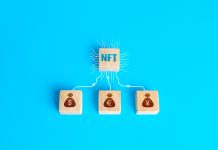
- Digital assets and NFTs
- Rare collectibles
- Online businesses
- Social media monetization
- Gaming assets
Why Weird Wealth Is Growing
1. Digital Economy Expansion
The rise of online platforms has created:
- New income opportunities
- Digital ownership models\
2. Changing Mindset
People now value:
- Experiences
- Creativity
- Unique assets
3. Accessibility
Anyone can:
- Start a digital business
- Invest in niche markets
Types
1. Digital Assets
Includes:
- Cryptocurrencies
- NFTs
- Digital art
2. Creator Economy
Income from:
- YouTube
- Blogging
- Influencer marketing
3. Collectables
Examples:
- Rare cards
- Vintage items
- Limited-edition products
4. Alternative Investments
Such as:
- Domain names
- Virtual real estate
- Online marketplaces
Comparison Table
| Feature | Traditional Wealth | Weird Wealth |
| Stability | High | Variable |
| Accessibility | Limited | Easy |
| Risk Level | Moderate | High |
| Growth Potential | Steady | High |
Step-by-Step: How to Build
Step 1: Identify Opportunities
Look for emerging trends
Step 2: Start Small
Test investments before scaling
Step 3: Diversify
Avoid relying on one asset
Step 4: Monitor Trends
Stay updated with market changes
Step 5: Manage Risk
Balance unconventional assets with stable ones
Real-World Use Cases
Digital Creators
Earn income through content platforms
Investors
Buy and sell NFTs or crypto
Entrepreneurs
Build online businesses
Expert Tip
It can be profitable, but always combine it with traditional investments to reduce risk.
Industry Insights & Statistics
- Alternative investments are growing rapidly
- Digital assets are gaining mainstream attention
- Younger generations prefer unconventional income streams
Common Mistakes to Avoid
- Investing without research
- Following hype blindly
- Ignoring risk management
- Over-investing in volatile assets
Best Practices
- Do proper research
- Diversify investments
- Stay informed
- Focus on long-term value
Benefits
- High growth potential
- Creative income opportunities
- Low entry barriers
Risks
- Market volatility
- Lack of regulation
- Uncertain value
Future
1. More Digital Assets
Growth of online ownership
2. Increased Adoption
Mainstream acceptance
3. Regulation Development
Better legal frameworks
Why Weird Wealth Matters
It represents a shift from:
- Traditional finance → digital economy
- Fixed income → flexible earning
FAQ Section
1. What is weird wealth?
Refers to unconventional assets or income sources that generate value outside traditional financial systems.
2. Is weird wealth reliable?
It can be profitable but is often more volatile and risky than traditional investments.
3. What are examples of weird wealth?
Examples include NFTs, digital businesses, collectibles, and online income streams.
4. Can beginners invest in weird wealth?
Yes, but they should start small and understand the risks involved.
5. Is weird wealth the future?
It is becoming more popular, especially with the growth of the digital economy.
6. How can I reduce risks?
Diversify your investments and avoid relying solely on unconventional assets.
Find a Home-Based Business to Start-Up >>> Hundreds of Business Listings.