









































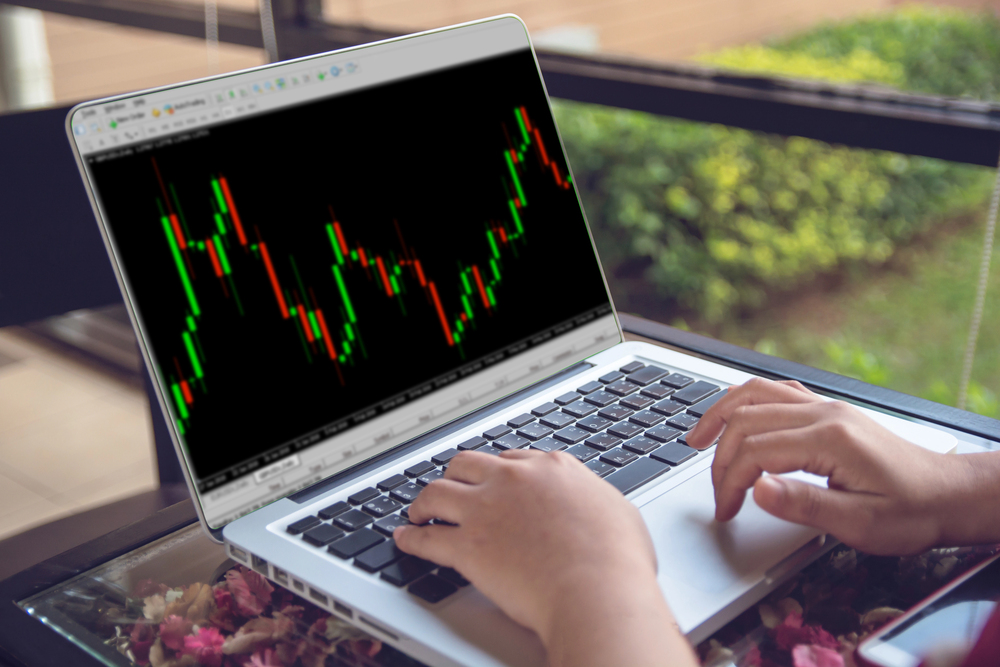
Starting out in forex trading can feel overwhelming. Currency pairs, leverage, spreads, pips, there’s a lot to learn, and real money is at risk if you rush in too soon. That’s where demo trading in forex comes in.
Demo trading is one of the best ways for beginners to practise, build confidence, and understand how the forex market works, all without putting actual funds on the line.
What Exactly Is Demo Trading in Forex?
Demo trading in forex is trading with virtual money in a simulated version of the real forex market. Most brokers offer demo accounts that mirror live trading conditions, including:
- Real-time price movements
- Access to the same currency pairs and platforms
- Tools and features found in live accounts
The only difference? You’re using fake money, so there’s no financial risk if a trade goes wrong.
It’s essentially a training ground where you can learn the ropes without any pressure.
Why Is Demo Trading Important?
For anyone new to forex, demo trading offers a safe space to:
- Learn how to use the trading platform (like MT4, MT5, or cTrader)
- Know how orders work; market, limit, stop-loss, and take-profit
- Test trading strategies in real-time conditions
- See how price movements affect your positions
- Build a routine and get comfortable with the pace of the market
More importantly, it gives you experience without the emotional stress that comes with risking real money.
How Long Should You Use a Demo Account?
There’s no set rule, but a good benchmark is this: stay on demo until you’re consistently profitable and confident in your process. That might take a few weeks, or a few months.
Ask yourself:
- Do I understand the platform and how trades are executed?
- Am I using a stop-loss on every trade?
- Do I have a trading plan, and can I follow it?
- Have I logged my trades and reviewed what’s working (and what isn’t)?
If the answer is “yes” to most of these, you may be ready to try a small live account, or explore other opportunities like trading for a forex prop trading firm, which provides access to capital once you’ve proven your skills.
The Benefits of Using a Demo Account
Here are some realistic advantages of using a demo account:
- Zero risk – Mistakes cost you nothing while you’re learning
- Hands-on learning – Practice beats theory when it comes to using a trading platform
- Strategy testing – Try different styles (scalping, swing, day trading) without pressure
- Knowing the trade sizing – Get familiar with position sizing and leverage
- Performance tracking – Learn to analyse your trades and spot areas for improvement
It’s also a great way to get a feel for the psychology of trading, even if emotions won’t hit quite as hard as they do with real money involved.
What Demo Trading Won’t Teach You
Demo trading in forex is incredibly useful, but it does have its limits, and some things you won’t fully experience until you go live:
- Emotional pressure – Real money changes how you think and react
- Slippage and execution delays – Live trades don’t always fill instantly at your chosen price
- True discipline – It’s easier to stick to a plan when there’s nothing at stake
That’s why demo trading should be seen as a starting point, not the final step.
Tips to Get the Most Out of Demo Trading
- Treat your demo account like real money, even if it’s not
- Use a balance similar to what you’d start with in a live account
- Make sure not to jump between strategies too quickly
- Keep a trading journal to track your decisions
- Look at your wins and losses honestly
The habits you build in demo trading often carry over into live trading, so make them good ones.
Demo Trading is a Useful Tool for Beginners
Demo trading in forex is one of the most valuable tools for anyone learning to trade forex, and it’s free, safe, and packed with insights, as long as you approach it seriously. Whether you’re using a demo account to get comfortable with the basics, test a strategy, or prepare for a live account, it gives you the breathing space to learn without the risk.
And if you’re hoping to try this thing for real, strong demo results are often the first step in proving you’ve got the discipline and mindset to trade at a higher level.
FAQs
1. How long should I realistically use a demo account before trading with real money?
Most experts recommend 2-6 months of consistent demo trading, but the timeline matters less than achieving specific milestones:
-
Consistently following your trading plan for 30+ consecutive trading days
-
Understanding exactly why each trade wins or loses
-
Maintaining proper risk management (1-2% risk per trade) without deviation
-
Keeping detailed trading journals with post-trade analysis
Don’t rush: Many successful traders use demo accounts for 6-12 months while developing their edge. The goal is building habits, not just accumulating screen time.
2. Is demo trading really accurate compared to live trading?
Demo trading provides 90% technical accuracy but 0% psychological accuracy:
-
Accurate: Price feeds, spreads (during normal hours), platform functionality, order execution mechanics
-
Inaccurate: Emotional pressure, slippage during high volatility, liquidity issues, psychological impact of real losses
Critical limitation: Demo accounts often don’t simulate swap/rollover charges accurately, which affects longer-term positions. Always test your strategy with small live funds before full commitment.
3. Can I become profitable on demo but fail with real money?
Yes, this happens to approximately 70-80% of traders. The “demo-to-live gap” causes failure due to:
-
Psychological differences: Real money triggers fear/greed emotions absent in demo
-
Risk perception: $1,000 virtual loss feels different from $1,000 real loss
-
Execution quality: Demo fills are perfect; live trading has slippage and requotes
Bridge the gap by: starting with micro accounts ($100-500), trading 0.01 lot sizes, and gradually increasing only after consistent profitability.
4. Should I use the same amount of virtual money as I plan to trade with live?
Absolutely yes—this is crucial for realistic practice:
-
If planning to start with $1,000 live, use $1,000 in demo
-
Practice with identical position sizes you’ll use live
-
Include all costs (spreads, potential commissions) in your demo calculations
Using $100,000 virtual money when you’ll start with $1,000 creates unrealistic psychology and risk management habits.
5. What specific skills should I master in demo before going live?
Master these five core competencies in demo:
-
Platform proficiency: Execute all order types flawlessly without hesitation
-
Risk management: Consistently apply 1-2% risk rule, always use stop-losses
-
Trade journaling: Document every trade with entry/exit rationale and emotions
-
Strategy execution: Follow your trading plan exactly through winning and losing streaks
-
Time management: Stick to your trading schedule without overtrading
Only transition to live when you can demonstrate these skills consistently for 2-3 months.
Find a Home-Based Business to Start-Up >>> Hundreds of Business Listings.