








































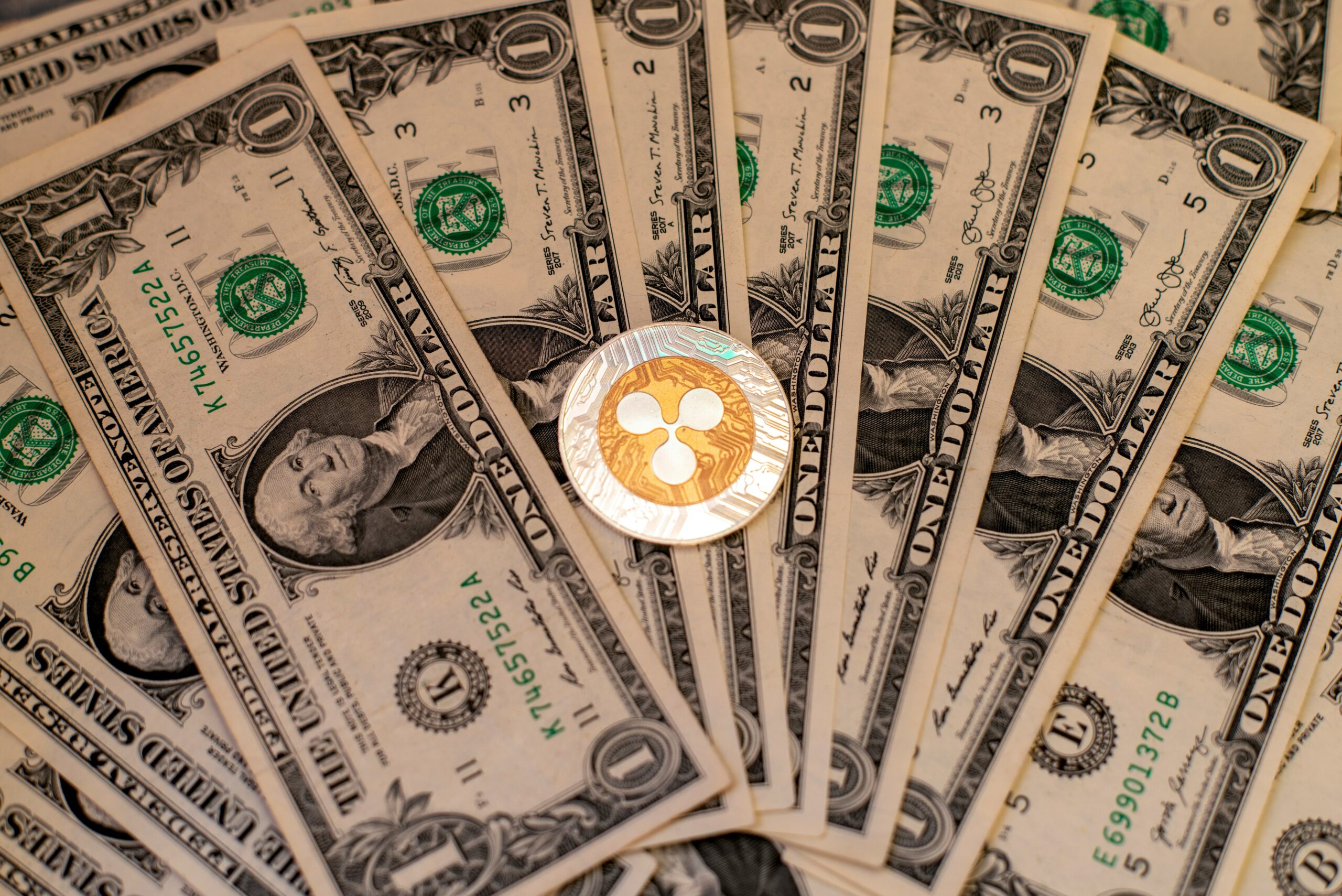
Over the years, plenty of cryptocurrencies have been developed, each with different purposes. XRP is one of them, and it’s perfect for business payments and institutions worldwide. XRP is a cryptocurrency created by Ripple, which functions on the XRP Ledger. It aimed to improve the experience of financial institutions when sending money abroad, as XRP offers innovative solutions for cross-border payments.
So, businesses and financial institutions that have expanded into new markets can integrate this payment solution to take advantage of everything this space offers. Among the most essential features of XRP are low fees, fast transaction times, and a robust blockchain. This is how XRP has attracted the attention of such influential figures in the financial industry.
XRP has increased in popularity lately, and beyond serving as a payment system, it has begun to be viewed as a store of value with significant investment potential. Looking at the XRP price prediction, we can see that its value will increase over the coming years, sparking even more interest in this coin.
In this article, we will analyze why XRP is perfect in the business and institutional landscape. Keep reading to learn more.
How did Ripple and XRP Expand?
XRP is a cryptocurrency created by Ripple. This company entered the business landscape in 2004 in Vancouver, Canada, and initially operated under the name RipplePay. The initial goal of this company was to transfer money globally, providing a secure, reliable network. Then, in 2012, RipplePay changed ownership, with the business being moved to Arthur Britto, Jed McCaleb, and David Schwartz. They renamed RipplePay to OpenCoin and focused on launching a digital currency network.
Jed McCaleb is a name that is associated with the crypto landscape, as it was previously the founder of the Mt. Gox cryptocurrency exchange. However, after some years, Jed McCaleb has finished its experience with Ripple, and put all its resources into a new project, named Stellar.
This company was always looking for new ways to succeed, and in 2013, it underwent another rebranding, becoming Ripple Labs. In 2015, Ripple Labs had its final rebranding, adopting Ripple as its current name.
XRP is the creation of this company, which aims to simplify cross-border transactions and offer an improved experience to institutions, individuals, and corporations worldwide. However, XRP is not aiming to replace traditional banks’ offerings; instead, it acts as a bridge between them.
XRP offers lower costs and faster times for sending money abroad, which is why it can finally provide a solution for businesses worldwide.
Why is XRP Perfect for Business Payments?
XRP has several compelling features for business payments. Here are some of them.
Fast Transactions
XRP offers fast transactions, a feature that sets it apart from others. For example, Bitcoin settlements are much slower and come with higher fees. This is why XRP can be a better solution for businesses. XRP transactions are speedy, with a processing time of 3-5 seconds, which is a significant advantage.
A Reliable Network
The XRP Ledger uses the XRP Ledger Consensus Protocol, a trusted method that maintains network reliability and trustworthiness. This consensus mechanism maintains a list of trusted validator nodes, which stabilizes the network. This node list comprises more than 150 validators, and businesses prioritize this alternative because it is perceived as safer.
More Sustainable Solutions
Now, customers worldwide want to make sustainable choices in their purchases, and as a result, businesses must seek solutions that attract eco-friendly customers. Unfortunately, cryptocurrencies have been associated with high electricity consumption, which is why this space must start solving its shortcomings.
XRP has found a solution to this, and it does not consume as much electricity as Bitcoin. This occurs because XRP doesn’t validate transactions through mining, so it has a low carbon footprint.
Which Banks Have Already Integrated XRP Into Their Payment Systems?
Since Ripple services have become popular worldwide, XRP has already begun to be more widely integrated by companies and banks. Here are some examples of this kind.
Bank of America (BofA)
Bank of America is an essential financial institution, being among the top 10 largest banks worldwide. Given its importance, it is remarkable that this bank has also considered Ripple solutions. Thanks to Ripple, Bank of America modernized its network and began offering faster cross-border payments. The Bank of America is leveraging RippleNet, and as a result, it has integrated lower costs, faster settlements, and greater liquidity. In this partnership, XRP serves as a bridge currency, enabling them to take advantage of instant currency conversion.
Because of these solutions and the fact that Bank of America is now leveraging blockchain technology, the bank ensures it stays relevant and maintains a competitive edge over others.
Standard Chartered Bank
Standard Chartered Bank is another important institution that has integrated Ripple’s solutions into its offerings. This partnership was created in 2016, and through this solution, the Standard Chartered Bank was able to offer its payment services to customers in more than 50 countries. In this way, XRP services started to be used in more markets, including in India and Singapore.
Santander Bank
Santander Bank is another solution that has integrated Ripple technology since 2018. With Ripple technology, this bank has launched new services, such as Santander One Pay FX. This solution provided a better customer experience and same-day settlements.
Siam Commercial Bank (SCB)
Siam Commercial Bank, based in Thailand, partnered with Ripple in 2020 to leverage RippleNet to launch SCB Easy, a cross-border payment solution. Thanks to this approach, this technology started to be used by customers in more than 12 countries worldwide.
Conclusion
Ripple and XRP offer powerful services that can help businesses and institutions worldwide improve their operations. This is fantastic news, and it proves the significant advantages that both cryptocurrencies and blockchain technology are offering to the world.
Find a Home-Based Business to Start-Up >>> Hundreds of Business Listings.