









































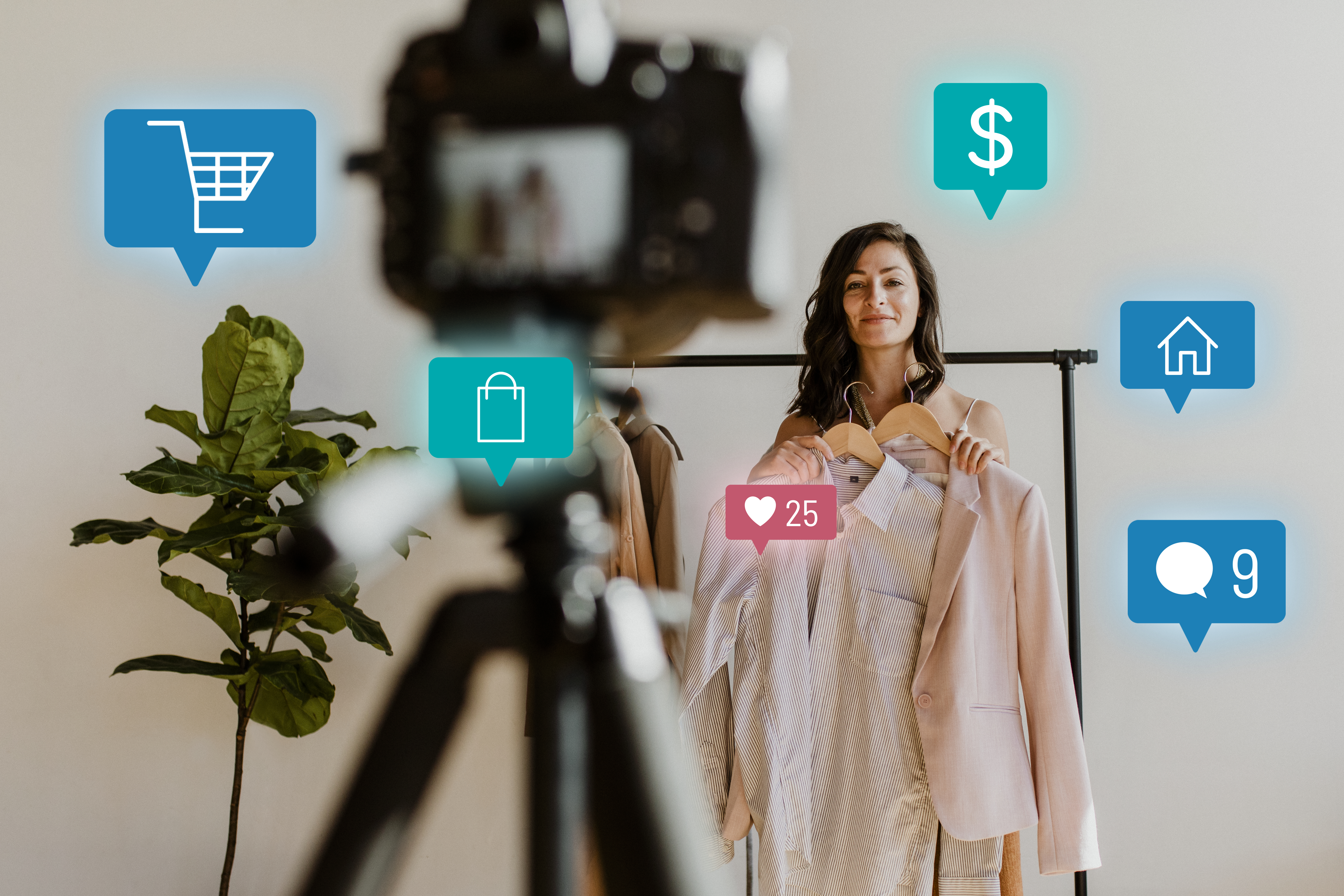
Social commerce is rapidly transforming the global retail landscape by enabling consumers to discover and purchase products directly through social media platforms. From influencer-led product recommendations to in-app checkout experiences, social commerce is becoming a core strategy for modern digital marketing.
Platforms such as TikTok, Instagram, Facebook, and YouTube are investing heavily in integrated shopping tools, livestream commerce, and creator partnerships. These developments are reshaping how brands engage with customers and drive online sales.
According to recent industry projections, the global social commerce market is expected to exceed $2 trillion in value within the next few years, highlighting the massive growth potential of this channel.
This HBM guide explores the latest social commerce news, key trends, statistics, platform updates, and strategies businesses should understand to stay competitive.
Quick Answer: What Is Social Commerce?
Social commerce refers to the process of discovering, promoting, and purchasing products directly within social media platforms.
Instead of visiting a traditional e-commerce website, consumers can:
- Discover products through posts or videos
- Interact with influencers or brands
- Complete purchases directly within the social media app
Examples include shopping through TikTok Shop, Instagram product tags, and Facebook Marketplace.
Key Takeaways
- Social commerce is expected to reach a multi-trillion-dollar market value globally.
- Short-form video content is the top driver of product discovery.
- Influencer marketing and creator partnerships are accelerating sales.
- Social media platforms are evolving into full digital marketplaces.
- Brands that combine content, community, and commerce see the highest growth.
Latest Social Commerce News & Industry Developments
1. TikTok Shop Is Expanding Rapidly
One of the biggest developments in social commerce is the rapid expansion of TikTok Shop.
The platform allows users to purchase products directly from videos, livestreams, and creator recommendations.
Key reasons for its success:
- Viral product discovery through short videos
- Seamless in-app checkout
- Influencer-driven marketing
- Real-time product demonstrations
Many brands are now using TikTok not only for marketing but also as a primary sales channel, a trend frequently highlighted in Social Commerce News.
2. Influencer Marketing Is Powering Social Shopping
Influencers and content creators play a major role in the growth of social commerce.
Creators help brands:
- Build trust with audiences
- Demonstrate product usage
- Create engaging content
- Encourage impulse purchases
Consumers increasingly rely on creator recommendations instead of traditional advertising.
The rise of the creator economy has therefore become a key driver of social commerce success.
3. Short-Form Video Is Driving Product Discovery
Short-form video content is now one of the most powerful tools for product marketing.
Platforms like:
- Instagram Reels
- YouTube Shorts
- TikTok
allow brands to showcase products quickly while capturing user attention.
Video content improves:
- Engagement rates
- Product awareness
- Conversion rates
This is why many social commerce campaigns now focus heavily on video-first strategies, a trend frequently highlighted in Social Commerce News.
Social Commerce Market Statistics
The growth of social commerce is supported by strong industry data.
Important statistics include:
- Over 60% of consumers discover new products on social media.
- Social commerce sales are projected to exceed $1 trillion globally within the decade.
- Gen Z and millennials are the most active social commerce shoppers.
- Livestream shopping events significantly increase purchase conversions.
These trends highlight the increasing importance of mobile-first and content-driven shopping experiences.
Comparison: Social Commerce vs Traditional E-Commerce
| Feature | Social Commerce | Traditional E-Commerce |
| Product discovery | Social media feeds | Search engines |
| Buying process | In-app checkout | External websites |
| Marketing strategy | Influencers and creators | Ads and SEO |
| Engagement | High interaction | Limited interaction |
| Customer journey | Fast and impulse-driven | Longer decision process |
Social commerce reduces friction and allows customers to purchase products immediately after discovering them.
Step-by-Step: How Brands Use Social Commerce
Step 1: Create engaging social content
Brands produce short videos, product demonstrations, and lifestyle content.
Step 2: Collaborate with influencers
Influencers promote products through authentic recommendations.
Step 3: Enable in-app shopping
Platforms allow direct product purchases without leaving the app.
Step 4: Host live shopping events
Livestream product launches and flash sales boost engagement.
Step 5: Analyze performance data
Brands track engagement, clicks, and conversions to improve campaigns.
Real-World Social Commerce Use Cases
Fashion brands
Clothing companies promote products through influencer styling videos.
Beauty brands
Cosmetic companies host live tutorials with real-time shopping links.
Electronics retailers
Tech brands showcase product demonstrations via short videos.
Small businesses
Local businesses use social media storefronts to reach global customers.
Expert Tip
The most successful social commerce brands focus on authentic storytelling instead of direct selling.
Instead of simply advertising products, brands create engaging content that:
- Demonstrates real-world usage
- Shows lifestyle benefits
- Encourages community interaction
This approach builds trust and significantly increases conversion rates.
Common Social Commerce Mistakes
Ignoring content quality
Low-quality videos reduce engagement and credibility.
Over-promoting products
Too many promotional posts can push audiences away.
Choosing the wrong influencers
Partnering with creators who lack audience trust can harm brand reputation.
Not tracking analytics
Brands that fail to analyze performance data miss optimization opportunities.
Best Practices for Social Commerce Success
- Focus on short-form video content
- Partner with trusted influencers
- Encourage user-generated content
- Optimize product pages for mobile devices
- Use live shopping and interactive experiences
Companies that combine content marketing, influencer partnerships, and seamless checkout typically achieve the best results.
Frequently Asked Questions (FAQ)
What is social commerce?
Social commerce refers to buying and selling products directly through social media platforms. Users can discover products, interact with brands, and complete purchases without leaving the app.
Why is social commerce growing so quickly?
Social commerce is growing because it combines entertainment, community interaction, and shopping in one place. Short-form video content and influencer marketing also encourage impulse purchases.
Which platforms support social commerce?
Popular social commerce platforms include TikTok, Instagram, Facebook, Pinterest, and YouTube. These platforms offer features such as shoppable posts, livestream shopping, and creator storefronts.
How do influencers impact social commerce?
Influencers help brands build trust with audiences and demonstrate products in real-life scenarios. Their recommendations often generate higher engagement and conversion rates than traditional ads.
Is social commerce replacing traditional e-commerce?
Social commerce is not replacing e-commerce but expanding it. Many businesses combine both strategies to create a seamless omnichannel shopping experience.
What industries benefit most from social commerce?
Industries like fashion, beauty, electronics, and lifestyle products benefit greatly from social commerce. Visual content and influencer promotions make these products easier to showcase and sell.
Find a Home-Based Business to Start-Up >>> Hundreds of Business Listings.