








































Planning is essential to ensure safety and efficiency in an industrial environment. One of the many things that can help you achieve both of these goals is selecting the right floor mats. Appropriate mats can help minimize musculoskeletal injuries and provide a comfortable surface for standing during work, while also protecting floors from excessive wear and tear. What are the practical considerations to consider when selecting floor mats to meet the challenges of wear and tear in heavy work environments? This post explains.
Safety Considerations
Anti-Slip Mats: Choosing mats with anti-slip properties will help considerably reduce the chances of slipping and falling. For moisture-rich surfaces, mats are necessary to guide away any liquid. There are even raised textures and drainage holes that can help keep accumulation (which would otherwise be a slip hazard) from forming. High-visibility edges or beveled borders can accentuate mat perimeters to help prevent trips and falls. Of course, safety must always be the top priority when selecting new floor coverings. It is worth noting exactly how industrial floor mats for workspaces combine durability with safety features, making them essential for warehouses, factories, and commercial facilities.
Durability and Material Choice
Heavy-duty work areas are constantly subjected to foot traffic and the impact of heavy machinery. Durable mats made of tougher materials, such as rubber or vinyl, last much longer than standard equipment due to wear. These industrial floor mats for workspaces must be resistant to oil, chemicals, and abrasion. Certain mats utilize reinforced backing to remain in position and withstand heavy loads. Quality materials are an investment that pays off because they minimize the need for replacements.
Comfort and Ergonomics
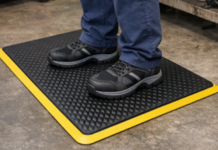
This is great for workers who must stand for long periods, as the mats’ ergonomic features help. Anti-fatigue mats can help cushion your joints and relieve pressure, promoting good posture throughout your working day. Leg shows that pressure is reduced as the softer surfaces reduce complaints of discomfort or pain. The slight flex of a mat fosters subtle movement, which enhances circulation and comfort. The work environment is a crucial aspect, and selecting ergonomic mats goes a long way in delivering a healthy and efficient workforce.
Maintenance and Cleanliness
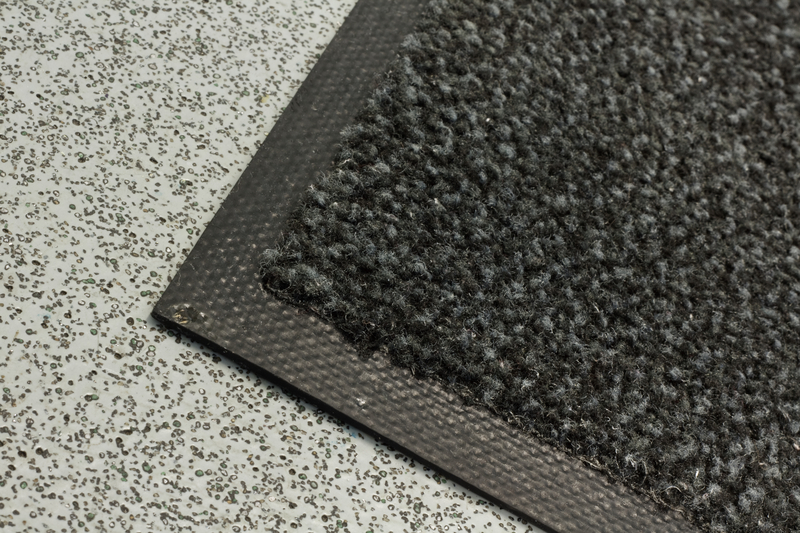
Choosing the right mat is largely responsible for keeping work areas clean. Mats that trap dirt and debris will make everyday cleaning quick and simple. Hygienically, these products can be hosed down or washed in a machine, making them ideal for heavily trafficked environments. Anti-microbial mats inhibit the growth of bacteria and mold. A neat environment is maintained through regular cleaning schedules and easy-to-clean mats.
Size and Placement
Choosing the correct size will ensure that mats provide the necessary protection in areas where additional security is required. Mats should be placed at entryways, stations, and any other location where spills are likely to occur. Be sure to measure before purchase so that overlap mats do not create any potential trip hazards. Custom-cut mats fit perfectly in uniquely shaped or oversized regions. Correct positioning increases the durability of the mats and the floor underneath.
Environmental Factors
Mats may be kept in work areas with extreme temperatures, harsh chemicals, or permanent wet conditions. Mats tailored for specific environments efficiently meet these challenges. For example, heat-resistant materials are necessary near an oven, and a chemical-resistant bench would be ideal in a laboratory or workshop. Outdoor mats must be resistant to the sun and rain and not be ruined by them. Taking these factors into consideration ensures that every mat being considered is both effective and durable.
Cost Versus Value
Price matters, but focusing solely on cost may result in frequent replacements and higher long-term expenses. Quality mats often come with warranties and are known for their proven durability. Investing in reliable products means fewer interruptions for repairs or replacements. Evaluating long-term value enables more informed decisions that benefit both the budget and daily operations. Affordable options exist, but striking a balance between price and performance ensures lasting satisfaction.
Compliance Requirements
Various industries adhere to safety or health standards, which correspondingly affect the choice of mats. Anti-static or fire-retardant mats protect sensitive equipment and personnel. Compliance with workplace standards means avoiding fines and punitive damages, as well as the physical harm that can befall employees and the public. You can typically determine whether the mats comply with the requirements by checking the labels or information on the product packaging. Always check the buying guidelines when making your purchase.
Conclusion
Several key factors should be considered when selecting the best industrial floor mats for workspaces. All of these factors, safety, sturdiness, comfort, and compliance, factor heavily into the decision-making process. Assessing these factors will result in a safer, cleaner, and more efficient work environment. The right floor mats can bring significant long-term benefits to any challenging industrial environment, making them a worthwhile investment.
Find a Home-Based Business to Start-Up >>> Hundreds of Business Listings.