





































Introduction
The glamping economy is emerging as one of the fastest-growing segments in modern travel and hospitality. As remote work becomes a long-term reality rather than a temporary shift, professionals are redefining how and where they live and work. Instead of staying confined to cities or traditional homes, many are embracing flexible lifestyles that combine productivity with travel.
Glamping, short for glamorous camping, offers a unique blend of outdoor experiences and modern comfort. From luxury tents and eco-domes to treehouses and safari-style lodges, these accommodations provide high-end amenities in natural environments. Platforms like Airbnb have made such experiences easily accessible, accelerating the growth of this trend.
For remote workers seeking better work-life balance, creative inspiration, and mental well-being, the glamping economy offers an attractive alternative to conventional living.
Quick Answer: What Is the Glamping Economy?
The glamping economy refers to the expanding market of luxury outdoor accommodations that combine nature-based experiences with modern amenities. It is growing rapidly due to increased demand from remote workers, digital nomads, and experience-driven travelers.
Understanding the Glamping Concept
Glamping represents a significant shift from traditional camping. Instead of basic tents and limited facilities, it offers fully equipped spaces designed for comfort and convenience. These accommodations often include proper beds, electricity, high-speed internet, climate control, and even private bathrooms.
This transformation reflects broader changes in consumer expectations. Today’s travelers value experiences that are both unique and comfortable. They no longer want to choose between luxury and nature; glamping allows them to enjoy both simultaneously.
Another key aspect of glamping is its emphasis on design and aesthetics. Many glamping sites are carefully curated to provide visually appealing environments, which adds to their popularity among social media users and content creators.
The Role of Remote Work in Driving Growth
The rise of remote work has been a major catalyst behind the glamping economy. Following the global disruption caused by the COVID-19 pandemic, organizations across industries adopted flexible work models.
As a result, employees gained the freedom to work from virtually anywhere. This shift has led to a new category of travelers who combine work and leisure, often referred to as “work-from-anywhere” professionals.
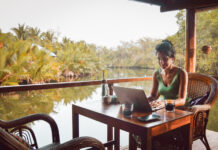
Glamping fits seamlessly into this lifestyle. It offers peaceful environments away from crowded cities while still providing the infrastructure needed for productivity. Reliable internet, quiet surroundings, and scenic views create an ideal setup for focused work.
Why Remote Workers Prefer Glamping
Remote workers are increasingly choosing glamping over traditional accommodations because it aligns with both their professional and personal needs.
One of the biggest advantages is improved work-life balance. Working in a natural setting reduces stress and enhances mental clarity. The ability to step outside into fresh air after a work session contributes to overall well-being.
Another important factor is the uniqueness of the experience. Unlike hotels, which often feel standardized, glamping sites offer distinctive environments. Whether it’s a lakeside cabin or a forest retreat, each location provides a new perspective.
Cost efficiency also plays a role. While glamping may appear expensive at first glance, extended stays often make it more affordable than long-term hotel bookings. This is particularly beneficial for freelancers and digital nomads.
Key Drivers Behind the Glamping Economy
The growth of the glamping economy is supported by multiple interconnected factors.
The rise of digital nomad culture has created demand for flexible living arrangements. Professionals are prioritizing experiences over fixed locations, leading to increased interest in unconventional accommodations.
Advancements in technology have made remote work more accessible. High-speed internet, cloud-based tools, and mobile workstations enable people to stay productive even in remote locations.
Another driver is the shift toward experience-based travel. Modern consumers value memorable experiences more than material possessions. Glamping provides a unique combination of adventure and comfort, making it highly appealing.
Sustainability is also influencing growth. Many glamping operators focus on eco-friendly practices, such as using renewable energy and minimizing environmental impact. This attracts environmentally conscious travelers.
Glamping vs Traditional Accommodation
| Feature | Glamping | Hotels |
|---|---|---|
| Experience | Nature-focused with luxury | Standardized |
| Work Environment | Quiet and scenic | Urban and busy |
| Cost for Long Stay | Moderate | Higher |
| Flexibility | High | Limited |
| Uniqueness | Distinctive | Predictable |
Glamping offers a more personalized and immersive experience compared to traditional hotels. This makes it particularly suitable for remote workers who value both productivity and lifestyle.
Real-World Use Cases
The practical applications of glamping for remote workers are diverse. Freelancers often use glamping stays as productivity retreats, allowing them to focus on deep work without distractions.
Startups and remote teams are increasingly organizing off-site meetings at glamping locations. These environments encourage creativity, collaboration, and team bonding.
Content creators and influencers also benefit significantly. The visually appealing settings help them produce engaging content for social media, blogs, and marketing campaigns.
Even corporate professionals are beginning to adopt glamping for extended workations, combining work responsibilities with travel experiences.
Expert Insights
Industry experts believe that the glamping economy is still in its early stages, with significant growth potential ahead. As demand increases, more investors and hospitality brands are entering the market.
One key trend is the integration of smart technology into glamping sites. Features such as automated climate control, smart lighting, and high-speed connectivity are becoming standard.
Another important development is the focus on community-based experiences. Some glamping sites are designed to foster social interaction among guests, creating networking opportunities for remote workers.
Experts also highlight the importance of location. Sites that offer a balance between accessibility and isolation tend to perform better in attracting long-term guests.
Statistics and Industry Data
Market data supports the rapid growth of the glamping economy. The global glamping market is projected to expand significantly over the next decade, driven by increased demand for unique travel experiences.
Remote work adoption has grown by over 40% globally, creating a large audience for flexible accommodation options. Surveys indicate that a majority of millennials and Gen Z travelers prefer experience-based stays over traditional hotels.
These statistics suggest that the glamping economy is not a short-term trend but a long-term shift in consumer behavior.
Common Challenges and Mistakes
Despite its advantages, glamping is not without challenges. One common mistake is assuming that all glamping sites are suitable for remote work. In reality, internet connectivity can vary significantly.
Another issue is overlooking environmental conditions. Weather, noise levels, and accessibility can impact the overall experience.
Some users also fail to plan their schedules effectively. Without proper time management, the balance between work and leisure can become difficult to maintain.
Best Practices for Remote Workers
To make the most of the glamping experience, careful planning is essential. Choosing a location with reliable internet and workspace facilities should be the top priority.
Testing the setup before committing to a long stay can prevent unexpected issues. It’s also helpful to maintain a structured daily routine to ensure productivity.
Balancing work with outdoor activities can enhance both efficiency and well-being. Taking breaks to explore the surroundings helps maintain focus and reduces burnout.
Key Takeaways
- The glamping economy is rapidly growing due to remote work trends
- It combines luxury, nature, and productivity in a single experience
- Remote workers benefit from improved mental health and creativity
- Technology and connectivity are key enablers of this trend
- Glamping is becoming a mainstream alternative to traditional accommodation
Expert Tip
Before booking a glamping stay, confirm the availability of high-speed internet and backup connectivity options. A portable hotspot can ensure uninterrupted work, especially in remote areas.
Frequently Asked Questions (FAQs)
1. What is the glamping economy?
The glamping economy refers to the growing market of luxury camping experiences that combine outdoor living with modern amenities. It is driven by remote workers and experience-focused travelers.
2. Why is glamping popular among remote workers?
Glamping provides a balance between productivity and relaxation. It offers peaceful environments, unique workspaces, and reliable internet access.
3. Is glamping suitable for long-term stays?
Yes, many glamping sites are designed for extended stays and include facilities that support remote work and comfortable living.
4. Is glamping more expensive than hotels?
While it may seem premium, long-term stays often make it more cost-effective than hotels, especially for remote professionals.
5. What should remote workers check before booking?
They should verify internet speed, workspace availability, weather conditions, safety, and accessibility.
6. Is the glamping economy sustainable?
Many glamping businesses focus on eco-friendly practices, making it a more sustainable travel option compared to traditional tourism.
Find a Home-Based Business to Start-Up >>> Hundreds of Business Listings.