









































Introduction
Many people want a brighter smile but struggle with tooth sensitivity when using whitening products. Traditional whitening treatments often contain strong bleaching agents like hydrogen peroxide that can irritate nerves inside the teeth. As a result, people with sensitive teeth frequently experience discomfort, sharp pain, or gum irritation after whitening.
The good news is that teeth whitening for sensitive teeth is possible when using the right techniques and ingredients. Modern dental products and professional treatments are designed specifically to reduce sensitivity while effectively removing stains caused by coffee, tea, smoking, and aging.
In this complete guide by HBM, you will learn the safest whitening options, dentist-approved methods, ingredients to look for, and expert tips to brighten your smile without triggering tooth sensitivity.
Quick Answer: Can You Whiten Sensitive Teeth Safely?
Yes, people with sensitive teeth can safely whiten their teeth by using low-peroxide whitening products, desensitizing toothpaste, professional dental treatments, and gradual whitening methods.
The safest options include:
- Whitening toothpaste
- Dentist-supervised whitening treatments
- Low-peroxide whitening gels
- Whitening strips designed for sensitivity
- Natural stain-removal methods
These methods reduce enamel irritation and protect the nerves inside the teeth.
Key Takeaways
- Sensitive teeth can still be whitened safely using gentle whitening solutions.
- Low hydrogen peroxide concentrations help reduce sensitivity.
- Desensitizing ingredients like potassium nitrate and fluoride protect tooth nerves.
- Professional dental whitening is often safer for sensitive teeth than over-the-counter products.
- Gradual whitening over time prevents enamel irritation.
Why Teeth Become Sensitive During Whitening
Tooth sensitivity occurs when the protective enamel layer becomes thin or damaged, exposing the dentin layer beneath it. Whitening agents can penetrate enamel and stimulate nerves in the dentin, causing temporary discomfort.
Common causes of whitening sensitivity include:
- Thin or weakened enamel
- Gum recession exposing tooth roots
- High peroxide concentrations
- Overusing whitening products
- Existing cavities or dental issues
Understanding these causes helps you choose safe whitening methods for sensitive teeth.
Best Teeth Whitening Methods for Sensitive Teeth
1. Whitening Toothpaste for Sensitive Teeth
Whitening toothpaste formulated for sensitivity contains mild polishing agents instead of strong bleaching chemicals.
Common ingredients include:
- Potassium nitrate
- Fluoride
- Calcium phosphate
- Gentle silica polishers
Benefits:
- Gradual stain removal
- Reduced tooth nerve irritation
- Safe daily use
This is one of the most recommended solutions by dentists.
2. Low-Peroxide Whitening Strips
Whitening strips designed for sensitive teeth use lower peroxide concentrations compared to traditional strips.
Advantages:
- Controlled whitening exposure
- Minimal enamel irritation
- Easy home application
Using them every two to three days instead of daily can further reduce sensitivity.
3. Professional Dentist Whitening
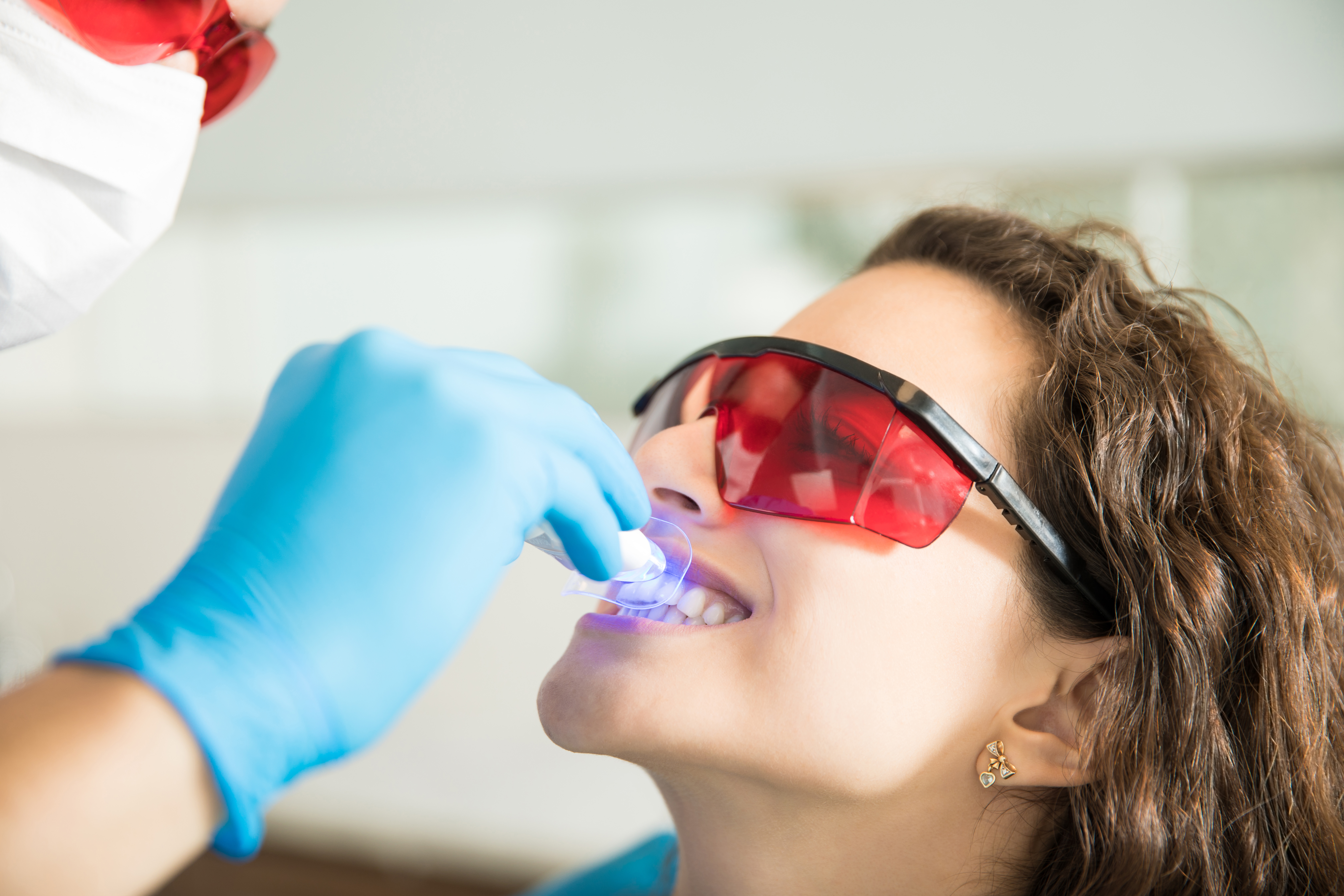
Professional whitening treatments performed by dentists are often safer for sensitive teeth because the procedure is carefully controlled.
Dentists may use:
- Customized whitening trays
- Desensitizing gels
- Protective gum barriers
- Laser whitening with controlled peroxide levels
This method produces fast and safe whitening results.
4. Whitening Pens and Gels
Whitening pens allow precise application of whitening gel on specific teeth.
Benefits include:
- Controlled gel usage
- Lower risk of gum irritation
- Shorter exposure time
They are ideal for people with mild sensitivity.
5. Natural Teeth Whitening Alternatives
Some people prefer natural whitening solutions to reduce sensitivity.
Popular options include:
- Baking soda toothpaste
- Activated charcoal toothpaste
- Oil pulling with coconut oil
- Apple cider vinegar rinses (used carefully)
These methods mainly remove surface stains rather than deep discoloration.
Comparison:
| Whitening Method | Sensitivity Risk | Whitening Speed | Best For |
| Whitening Toothpaste | Very Low | Slow | Daily stain removal |
| Low-Peroxide Strips | Low | Moderate | At-home whitening |
| Dentist Whitening | Low (supervised) | Fast | Strong results |
| Whitening Pens | Low | Moderate | Targeted whitening |
| Natural Methods | Very Low | Slow | Surface stain removal |
Step-by-Step Guide
Step 1: Use Desensitizing Toothpaste
Start brushing with toothpaste containing potassium nitrate or fluoride for at least two weeks before whitening.
This strengthens enamel and reduces nerve sensitivity.
Step 2: Choose Gentle Whitening Products
Look for whitening products labeled:
- “For sensitive teeth”
- “Low peroxide formula”
- “Enamel-safe whitening”
Avoid strong bleaching kits that may worsen sensitivity.
Step 3: Limit Whitening Frequency
Instead of daily whitening, apply treatments every two to three days.
This allows enamel and nerves time to recover.
Step 4: Avoid Acidic Foods During Whitening
Foods like citrus, soda, and vinegar can weaken enamel.
Reducing acidic foods during whitening helps prevent additional sensitivity.
Step 5: Maintain Oral Hygiene
Proper brushing, flossing, and regular dental visits keep teeth healthy and reduce sensitivity risks.
Real-World Use Cases
Coffee Drinkers
Coffee and tea cause yellow stains on enamel. Sensitive whitening toothpaste gradually removes these stains without causing pain.
Smokers
Nicotine stains can be treated using dentist-supervised whitening treatments, which provide stronger results with minimal sensitivity.
Aging Teeth
As enamel naturally thins with age, gentle whitening products help maintain a bright smile safely.
Expert Tip
Dentists recommend using desensitizing toothpaste for 10–14 days before whitening treatments. This strengthens enamel and significantly reduces post-whitening sensitivity.
Common Mistakes
- Using high-peroxide whitening kits
- Whitening too frequently
- Ignoring existing dental problems
- Applying whitening products on irritated gums
- Skipping dentist consultations
Avoiding these mistakes protects enamel and ensures safe whitening results.
Best Practices
- Choose products labeled safe for sensitive teeth
- Start with mild whitening solutions
- Use fluoride toothpaste daily
- Follow professional dental advice
- Avoid acidic drinks after whitening
These practices help maintain long-term whitening results without discomfort.
FAQs:
Can people with sensitive teeth whiten their teeth?
Yes, people with sensitive teeth can whiten their teeth using gentle whitening products such as low-peroxide whitening strips, desensitizing toothpaste, or dentist-supervised treatments. These options help remove stains while minimizing irritation.
What is the safest whitening method for sensitive teeth?
Whitening toothpaste designed for sensitive teeth is one of the safest methods. It gradually removes stains using mild polishing agents while strengthening enamel with fluoride and potassium nitrate.
Does teeth whitening always cause sensitivity?
No, sensitivity is not guaranteed. It usually occurs when strong whitening agents penetrate enamel and irritate the nerves. Using low-peroxide products and desensitizing toothpaste can significantly reduce this risk.
How long does whitening sensitivity last?
Whitening sensitivity is usually temporary and may last between 24 and 48 hours. Using fluoride toothpaste or desensitizing gel can help reduce discomfort more quickly.
<h3>Can dentists whiten sensitive teeth safely?</h3>
Yes, dentists can safely whiten sensitive teeth using controlled whitening treatments. They often apply protective gels and desensitizing agents to prevent discomfort during the procedure.
Which ingredients help reduce whitening sensitivity?
Ingredients like potassium nitrate, fluoride, and calcium phosphate help protect tooth nerves and strengthen enamel. These ingredients are commonly found in toothpaste designed for sensitive teeth.
Find a Home-Based Business to Start-Up >>> Hundreds of Business Listings.