





































Business owners focus on marketing campaigns, pricing strategy, and product quality to build customer loyalty. Physical space also shapes long-term customer relationships. Research and practical experience show that interior conditions impact customer retention through comfort, organization, and visual appeal.
Customers enter a business with expectations about professionalism and reliability. Interior conditions communicate those qualities immediately. Clean surfaces, balanced lighting, and thoughtful layouts help create positive impressions in the first moments of a visit. A welcoming space builds confidence and supports repeat visits.
Strong interior environments support brand perception in ways that marketing messages alone cannot achieve. Customers evaluate visual order, lighting balance, and overall comfort as they move through a space.
Each element contributes to the emotional tone of the visit. Entrepreneurs who maintain strong interior conditions create environments that support trust, encourage longer visits, and support lasting customer relationships.
First Impressions Shape Customer Trust
Customers evaluate a business within seconds of entering the space. Interior appearance communicates professionalism before a staff member speaks. Clean walls, organized displays, and balanced lighting signal attention to detail.
Business owners who maintain their interiors carefully strengthen customer confidence. A tidy and polished environment suggests reliable service and thoughtful management. Customers interpret visual order as a sign of operational discipline.
Small enhancements contribute to this effort. Many entrepreneurs opt for washable paint in high-traffic areas because it keeps walls looking fresh after regular cleaning. Durable finishes ensure a professional appearance during daily operations and help maintain consistent visual quality.
An organized visual layout also enhances navigation. Customers navigate spaces more comfortably when displays are orderly, and pathways are accessible. Grouping products by logical categories makes browsing more convenient and pleasant. These details foster positive first impressions and encourage customers to return.
Lighting Reinforces Professional Presentation
Interior lighting also contributes to first impressions. Bright, balanced lighting helps customers evaluate products comfortably while maintaining a welcoming atmosphere. Dim or uneven lighting can frustrate browsing and discourage customers from exploring the space further.
Comfortable Spaces Encourage Longer Visits
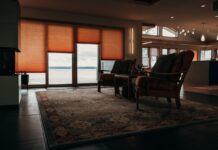
Comfort influences the entire customer experience. When the environment fosters relaxation and easy navigation, visitors tend to stay longer. Thoughtfully designed layouts grounded in ergonomic principles promote natural flow within the space. Comfortable seating, unobstructed pathways, and accessible displays enable customers to browse without frustration.
Spatial comfort enhances customer focus; obstacle-free movement allows visitors to concentrate more on products and services. An effective layout gently guides customers through various sections while keeping them relaxed.
Business owners can improve comfort with practical adjustments such as:
- Seating areas that support relaxation during waiting periods
- Open walkways that guide movement throughout the space
- Balanced lighting that highlights products without glare
- Organized displays that simplify browsing
- Controlled temperature and background sound
Each adjustment supports a smoother customer journey. Comfortable environments encourage customers to stay longer and explore more products or services.
Interior Atmosphere Shapes Emotional Connection
Atmosphere plays a key role in shaping how customers feel during a visit. Elements like color choices, textures, and sound all help set the emotional tone of a business space. Neutral color schemes enhance visual clarity and make displays more prominent without cluttering the space.
Using natural materials conveys authenticity and intentional design. Sound also impacts the atmosphere; calm background music promotes a relaxed browsing experience, while balanced sound levels facilitate comfortable conversations between staff and customers.
Research shows that store design impacts customer satisfaction and purchasing behavior, as environmental cues influence emotional reactions during a visit and affect the chances of returning. Positive emotional experiences enhance how customers perceive the brand. Customers tend to link enjoyable environments with professional service and dependable products. A welcoming atmosphere supports the store’s overall identity and promotes repeat visits.
Layout Design Guides Customer Movement
Interior layout influences how visitors explore a business. Clear spatial organization helps customers navigate displays and service areas naturally.
Crowded pathways or confusing layouts interrupt the browsing experience. Customers move through spaces more comfortably when displays remain visible, and pathways remain open. Wide pathways also support smooth customer flow during busy periods.
Strategic layout planning guides visitors through the environment step by step. Display placement, focal points, and logical product groupings encourage exploration without confusion.
Entrepreneurs who review their layouts regularly maintain strong traffic flow. Minor adjustments, such as repositioning displays or widening pathways, improve navigation and strengthen the overall customer experience. Organized layouts also help staff assist customers more efficiently during busy hours.
Consistent Maintenance Supports Brand Reputation
Maintenance plays an important role in customer perception. Interior conditions decline quickly without regular attention. Customers notice worn surfaces, dim lighting, and cluttered displays during a visit.
Business owners who maintain their spaces regularly protect their brand reputation. Clean floors, polished surfaces, and organized displays communicate professionalism and attention to operational detail.
Routine upkeep preserves the visual strength of the environment. Staff members can maintain strong interior conditions through consistent practices:
- Replace dim or burned-out lights quickly
- Maintain organized displays throughout the day
- Refresh surfaces when wear becomes visible
- Keep walkways clear and uncluttered
Consistent maintenance supports a polished environment throughout daily operations. Customers notice these details and associate them with dependable service.
Business owners who maintain strong interior standards reinforce the overall customer experience during every visit.
Interior Conditions Support Long-Term Customer Loyalty
Interior conditions influence how customers experience a business from the moment they enter. Clean environments, comfortable layouts, and welcoming atmospheres encourage customers to spend more time exploring products and services.
Customer loyalty grows through positive experiences during each visit. Business owners who maintain organized, comfortable spaces strengthen relationships with returning customers. Thoughtful interior management also strengthens brand perception across every interaction.
The connection between environment and customer loyalty remains clear. Interior conditions impact customer retention through visual appeal, comfort, and smooth navigation. Entrepreneurs who treat interior conditions as a strategic business factor position their companies for stronger long-term growth.
Build Stronger Business Opportunities Through Better Spaces
Successful entrepreneurs pay attention to every part of the customer experience. Interior conditions influence how customers feel, how long they stay, and whether they return in the future.
Clean design, thoughtful layouts, and comfortable environments support repeat visits and stronger customer relationships. Businesses that maintain welcoming interiors strengthen both reputation and long-term growth potential.
For more information and business advice, browse https://homebusinessexpo.com/ for more information.
Image Credit: Rido, #486517362
Find a Home-Based Business to Start-Up >>> Hundreds of Business Listings.