





































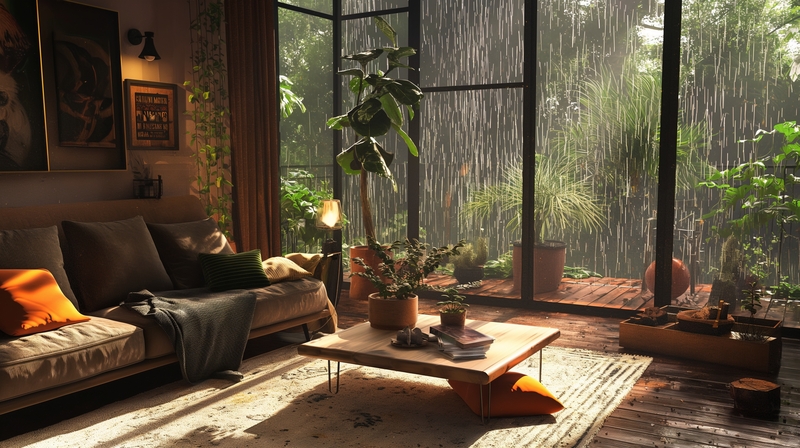
In recent years, Australian interiors have shifted away from purely light, coastal palettes towards something richer and more atmospheric. Enter the moody living room: dark, dramatic and undeniably sophisticated. What was once considered too bold or “heavy” for everyday living has become one of the most sought-after design directions for homeowners wanting depth, warmth and personality in their space.
At the heart of this look is confidence. Deep wall colours, layered textures and carefully chosen furnishings (particularly statement pieces like beautifully crafted designer sofas) anchor the room and create a sense of intentional luxury. Rather than relying on brightness, moody living rooms embrace contrast, shadow and texture to deliver a space that feels cocooning yet refined.
Why Moody Interiors are Having a Moment
Several design trends have paved the way for darker living spaces:
- A desire for cosy, retreat-like homes
- Growing appreciation for European-inspired interiors
- A move towards layered, collected aesthetics over minimalist white spaces
- The rise of high-quality materials and tactile finishes
After years of bright whites and pale timbers dominating Australian homes, many homeowners are craving something with greater emotional depth. Darker tones evoke intimacy. They soften large spaces and bring architectural features into sharper focus. In open-plan homes especially, a moody living zone can create a defined, grounded area that feels distinct from adjoining kitchens and dining spaces.
Choosing the Right Colour Palette
The key to a successful moody living room is nuance. It’s not simply about painting everything black – popular palettes include:
- Charcoal and graphite
- Deep navy
- Forest and olive greens
- Rich burgundy or plum
- Warm chocolate browns
- Muted teal tones
Undertones matter. A cool charcoal creates a contemporary feel, while a warm brown-black can feel more organic and inviting. In Australia’s naturally bright light, darker walls often appear softer and more dimensional than expected, particularly when paired with natural materials. If painting all four walls feels too bold, consider:
- A feature wall
- Dark cabinetry or built-ins
- Rich-toned wallpaper
- Painted ceilings for a truly dramatic effect
The Role of Furniture in a Moody Living Room
Furniture is what prevents a dark room from feeling flat. It introduces shape, softness and contrast. Sofas, in particular, become the hero. In a moody setting, they should feel substantial and inviting. Think:
- Plush velvet upholstery
- Rich leather finishes
- Deep seating profiles
- Sculptural silhouettes
- Modular configurations for relaxed living
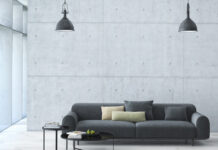
A well-chosen sofa in a tonal shade (like charcoal against deep green walls) creates seamless cohesion. Alternatively, a lighter neutral sofa against dark walls offers striking contrast. Timber coffee tables, stone side tables and brushed brass accents add dimension and prevent the space from feeling one-dimensional.
Texture Is Everything
Without texture, a dark room can feel lifeless. With texture, it becomes layered and luxurious. Consider incorporating linen curtains, wool or boucle throws, textured rugs, timber panelling, marble or travertine surfaces, aged metals, and matte or satin finishes.
Mixing finishes — matte walls with glossy ceramics, soft textiles with hard stone — creates movement within the space. Lighting bouncing off different materials enhances the depth that makes moody interiors so captivating.
Lighting: The Secret Ingredient
Lighting determines whether a dark room feels sophisticated or simply dim. Layer your lighting deliberately:
- Ambient lighting (ceiling fixtures or concealed LED)
- Task lighting (floor and table lamps)
- Accent lighting (wall sconces or picture lights)
Warm bulbs are essential. They soften darker tones and create an inviting glow. Brass, bronze or matte black light fittings complement the palette beautifully. Dimmers are highly recommended, allowing you to adjust the mood from relaxed evenings to brighter daytime living.
Balancing Dark with Light
A common misconception is that moody living rooms must be entirely dark. In reality, contrast is what makes them effective. Introduce balance through:
- Lighter rugs
- Pale artwork
- Natural timber floors
- White or cream ceilings
- Cushions in soft neutral tones
Even a single light-toned armchair can break up darker elements and keep the space feeling dynamic. In Australian homes with large windows, natural light streaming across dark walls creates beautiful shadow play throughout the day — one of the defining characteristics of this design approach.
Styling for Sophistication
Moody spaces benefit from curated styling rather than clutter. Choose oversized artwork, sculptural vases, minimal but impactful décor, books stacked thoughtfully and indoor plants with deep green foliage. Less is often more. Negative space allows dark colours and statement furniture to shine.
Is a Moody Living Room Right for You?
This style suits homeowners who:
- Appreciate depth and atmosphere
- Want a space that feels intimate rather than stark
- Enjoy layered textures and rich materials
- Prefer timeless sophistication over fleeting trends
It works equally well in contemporary homes and period properties. In heritage homes, dark tones can enhance ornate cornices and original fireplaces. In modern builds, they add warmth to otherwise angular architecture.
Final Thoughts
The rise of moody living rooms reflects a broader shift towards homes that feel emotionally engaging and deeply personal. Dark, dramatic and sophisticated interiors aren’t about being bold for the sake of it — they’re about creating spaces that feel intentional, cocooning and luxurious. When executed thoughtfully — with layered lighting, textured materials and beautifully considered furniture — a moody living room becomes more than a design statement. It becomes a retreat within your home.
Find a Home-Based Business to Start-Up >>> Hundreds of Business Listings.