







































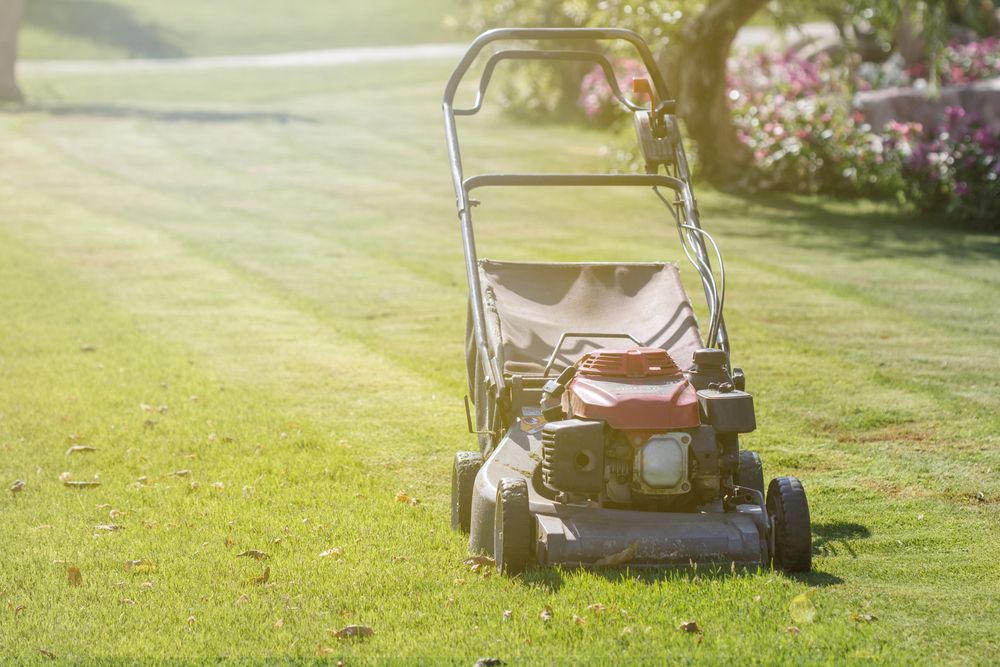
Every spring, homeowners face the same question: will the mower start after sitting all winter? Some people put off maintenance until later, others don’t think about prevention at all – until the engine dies mid-season. Regular care for garden equipment maintenance actually costs way less than emergency repairs or replacing stuff early.
What You’re Really Getting Into
A decent mid-range mower – say, a Honda HRX217 or Toro TimeMaster – runs between $500 and $800. Lots of buyers think that’s where the spending stops. But your yearly budget for keeping equipment running includes consumables, scheduled service, unexpected breakdowns, and getting things ready for different seasons.
Studies on lawn equipment show the average homeowner spends around $150 per year on mower maintenance. That’s not counting gas or electricity. Might not sound like much, but it assumes you’re doing what the manufacturer recommends on time. Skip the basics and costs jump dramatically.
Regular Maintenance: The Must-Do List
Engine oil should be changed at least once per year. Some prefer to do it before winter storage, while others wait until the start of the season — either way, it’s important to have fresh oil in the engine. Good synthetic oil costs $8-15 per quart, depending on brand. Air filters need checking after every 25 hours of operation and replacing once a season. For that Honda HRX217, an OEM filter runs about $12-18, while aftermarket versions go for $6-10.
Spark plugs get overlooked constantly. A dirty or worn plug makes starting harder, reduces power, and burns more fuel. Swapping one out seasonally costs $3-7 each. Seems minor, but an old plug can make the engine run rough, which risks bigger problems down the line.
Blades need sharpening several times each season. Professional sharpening runs $10–20, though plenty of owners do it themselves with a file or bench grinder. The problem is, an incorrectly sharpened blade tears grass instead of cutting it, which makes the lawn look worse and puts extra load on the engine. Some owners prefer replacing blades instead — it’s safer and guarantees a clean cut. New mower blades usually cost $30–60 depending on the model.
Consumables: Small Stuff Adds Up
Fuel filters on many models should be replaced yearly. Cost – $5-12. Gaskets, seals, bolts – everything wears out eventually. A basic parts kit for yearly prevention runs $30-50 if you buy ahead. Scrambling to get parts during the season costs more.
For people who don’t want to overpay for OEM parts at dealer service centers, specialized online stores exist. For instance, UDC Parts carries lawn mower parts for sale for various brands at reasonable prices. Similar platforms offer both original parts and quality alternatives, saving 20-40% compared to official service channels.
When Things Break
Even with perfect care, stuff fails. Most common issues – carburetor failure, starter problems, or drive wear. Replacing a carburetor on a Craftsman M105 might cost $40-80 for the part plus labor if you’re not doing it yourself. A new starter for a Husqvarna LC221A runs around $50-70.
Fixing the self-propelled drive system on a Toro Recycler 22 – that’s a typical spring headache. Drive cables wear from constant tension, especially if the mower sees a lot of uneven terrain. Replacement cable costs $15-25 for the part, but a shop might charge another $50-80 for labor. DIY repair takes about an hour and requires basic skills.
Seasonal Prep: Fall and Spring
Winterizing gets ignored by many people, then they deal with problems come spring. Fuel stabilizer prevents gummy deposits from forming in the carburetor. A bottle that handles multiple treatments costs $8-12. Alternative – drain all the gas and run the engine until the fuel system’s empty.
Cleaning grass clippings from the deck matters more than you’d think. Built-up debris holds moisture, which leads to rust. Less critical for aluminum decks, but steel ones really suffer. Special sprays that prevent grass from sticking cost $10-15 per can and actually work.
Spring checkup includes inspecting belts, cables, wheels, and height adjustment systems. Cracked belts are better replaced before they snap mid-season. Belt kit for a typical model – around $20-40.
Electric Models: Different Math
Battery-powered mowers like the EGO Power+ LM2142SP or Greenworks Pro 21 have their own quirks. No oil, plugs, or carburetors here, but batteries have limited lifespan. Lithium-ion batteries last 3-5 years with normal use, after which capacity drops noticeably. A replacement battery for the EGO at 7.5 Ah costs roughly $350-400 – that’s a significant expense.
Meanwhile, ongoing maintenance is simpler. Blades need sharpening, decks need cleaning, but most procedures tied to combustion engines disappear. Annual budget for consumables on an electric model – about $50-80 without factoring in battery replacement.
What Actually Saves Money
Preventive maintenance always beats reactive repair. A mower that gets basic care lasts 30-50% longer. Changing oil on schedule prevents cylinder wear. A clean air filter cuts fuel consumption by 10-15%. Sharp blades reduce engine load.
Documenting work helps avoid forgetting scheduled procedures. A simple chart on the garage wall with dates for oil changes, filters, and other operations works better than any phone reminder. These costs for garden equipment maintenance matter, especially if you’re managing multiple pieces of equipment.
Buying parts when you’re not in crisis mode saves cash. Maintenance kits that include oil, filters, and a plug often cost less than buying everything separately. For example, a Briggs & Stratton kit runs about $25-35, while those same items individually might hit $40-50.
When to Call Professionals
Some operations are better left to a service center. Carburetor adjustment, especially on older models, takes experience. Wrong settings lead to wasted fuel or unstable operation. This procedure at a shop – $50-80, but it pays off in proper engine performance.
Diagnosing electrical issues on battery models often requires specialized equipment. If the mower won’t start but the battery’s charged, the problem could be in the controller or motor. Attempted DIY repair without proper knowledge can cost more than bringing in a specialist.
Annual Budget Breakdown
For a mid-range gas mower, yearly budget looks roughly like this: basic maintenance (oil, filters, plugs) – $60-100, blade sharpening – $30-50, seasonal prep (stabilizer, cleaning) – $20-40, unexpected expenses (small parts, repairs) – $50-150. Total costs for garden equipment maintenance come to $160-340 depending on how much you use it and how old the equipment is.
For electric models, the numbers are lower for ongoing maintenance – $80-150 per year, but factoring in battery replacement every 4-5 years evens out total ownership cost. Add $80-100 annually as battery depreciation, and operating costs become comparable to gas equivalents.
The parts market offers various ways to save: UDC Parts, PartsTree, Jack’s Small Engines, or MTD Parts. Each platform has advantages: some specialize in specific brands, others offer faster shipping. Comparing prices across several suppliers often saves 15-25% on identical parts.
Long-Term Perspective
A $600 mower with proper maintenance can last 10-15 years. Total costs for garden equipment maintenance over that period come to $2000-4000. Skip prevention and the equipment fails in 5-7 years, with repairs costing more than scheduled maintenance would have. Saving on small things often leads to big expenses.
Investing time in understanding your equipment pays off repeatedly. Even basic knowledge about mower construction lets you handle simple problems yourself and know when you genuinely need professional help. That’s not just saving money – it’s confidence that your equipment won’t quit at the worst possible moment.
Find a Home-Based Business to Start-Up >>> Hundreds of Business Listings.