





































Introduction
Agua oxigenada, widely known as hydrogen peroxide, is one of the most versatile and accessible disinfectants used worldwide. From cleaning minor wounds to sanitizing household surfaces, it has earned a reputation as a reliable antimicrobial solution. But how effective is it really when it comes to killing germs and viruses?
The answer is yes—hydrogen peroxide is proven to eliminate a wide range of microorganisms, including bacteria, fungi, and many viruses. However, its effectiveness depends on factors like concentration, application method, and contact time.
In this in-depth guide, we explore the science behind agua oxigenada, its practical uses, effectiveness against pathogens, and best practices for safe and optimal results.
Quick Answer: Does Hydrogen Peroxide Kill Germs and Viruses?
Hydrogen peroxide is an effective disinfectant that kills germs through oxidation.
It works by releasing reactive oxygen species that damage microbial cells, proteins, and DNA. At a typical 3% concentration, it can effectively kill many bacteria and viruses, especially those with lipid membranes.
However, not all pathogens are equally vulnerable, so correct usage is essential for maximum effectiveness.
What Is Agua Oxigenada (Hydrogen Peroxide)?
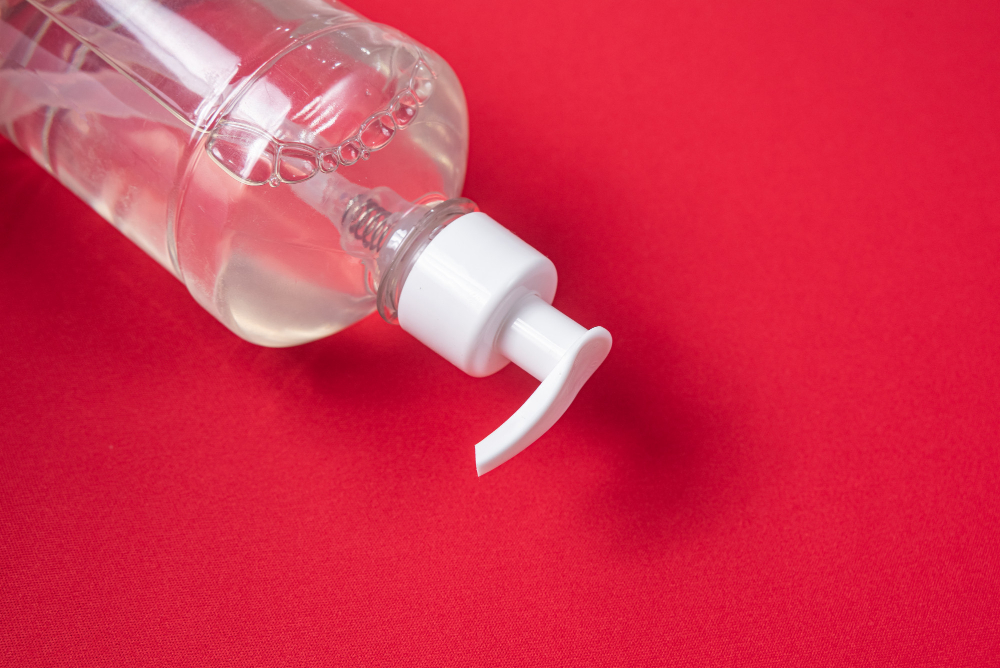
Hydrogen peroxide (H₂O₂) is a chemical compound composed of hydrogen and oxygen. It appears as a clear, colorless liquid but has powerful oxidizing properties that make it useful as a disinfectant and bleaching agent.
It is available in several concentrations, each suited for different applications. The most common household version is a 3% solution, which is safe for general cleaning and minor medical use.
Higher concentrations are used in industrial processes, healthcare sterilization, and cosmetic applications such as hair bleaching.
How Hydrogen Peroxide Kills Germs
Hydrogen peroxide works through a process called oxidation, which disrupts essential cellular components in microorganisms.
When applied to a surface or tissue, it breaks down into water and oxygen. This reaction releases free radicals that attack proteins, lipids, and nucleic acids in microbes.
Key Mechanisms of Action
- Damages bacterial cell membranes and internal structures
- Inactivates viruses by breaking down their protective coatings
- Destroys fungal cells and spores
The bubbling effect seen when applied to wounds is a result of oxygen release reacting with enzymes like catalase present in tissues and bacteria.
Types of Germs Hydrogen Peroxide Can Kill
Hydrogen peroxide is effective against a wide spectrum of pathogens, making it a valuable disinfectant in both domestic and clinical environments.
Bacteria
It effectively kills many common bacteria, including those responsible for skin infections, respiratory illnesses, and food contamination.
Viruses
Hydrogen peroxide is particularly effective against enveloped viruses, which have an արտաքին lipid membrane that is easily disrupted by oxidation. During outbreaks like COVID-19, hydrogen peroxide-based disinfectants were widely recommended for surface cleaning.
Fungi
It can eliminate fungi such as molds and yeasts, making it useful for bathroom cleaning, laundry sanitation, and food safety.
However, some bacterial spores and highly resistant pathogens may require higher concentrations or specialized disinfectants.
Common Uses of Agua Oxigenada
Hydrogen peroxide is used across various settings due to its versatility and effectiveness.
Wound Cleaning
It is commonly used to clean minor cuts and scrapes by removing debris and killing bacteria. However, excessive use can damage healthy tissue and delay healing.
Surface Disinfection
Hydrogen peroxide is widely used for disinfecting surfaces like kitchen counters, bathroom fixtures, and frequently touched objects.
Oral Hygiene
Diluted hydrogen peroxide solutions are sometimes used as mouth rinses to reduce bacteria and improve oral hygiene.
Hair and Cosmetic Use
Higher concentrations are used in hair bleaching and teeth whitening products.
Household Cleaning
It is effective for removing stains, deodorizing surfaces, and sanitizing household items such as cutting boards and sponges.
Hydrogen Peroxide vs Other Disinfectants
| Feature | Hydrogen Peroxide | Alcohol (70%) | Bleach |
|---|---|---|---|
| Kills bacteria | Yes | Yes | Yes |
| Kills viruses | Yes (many types) | Yes | Yes |
| Environmental impact | Low | Moderate | High |
| Residue | None | None | Leaves residue |
| Surface compatibility | Moderate | High | Low |
Hydrogen peroxide stands out because it decomposes into water and oxygen, making it environmentally friendly and residue-free.
Real-World Use Cases
Hydrogen peroxide is widely used in healthcare, food safety, and household cleaning.
Hospitals use vaporized hydrogen peroxide systems to sterilize medical equipment and rooms. In homes, it is used for disinfecting surfaces, cleaning fruits and vegetables, and maintaining hygiene.
Its role became especially significant during global health crises when demand for effective disinfectants increased.
Expert Insights
Experts recommend using hydrogen peroxide with proper technique to ensure effectiveness.
The solution should remain on the surface long enough to kill microorganisms—typically at least one minute. Immediate wiping reduces its antimicrobial effect.
Additionally, using the correct concentration is crucial. Household 3% solutions are effective for most uses, while higher concentrations should only be handled by professionals.
Statistics & Industry Data
Scientific studies show that hydrogen peroxide can significantly reduce microbial load when used correctly.
Research in healthcare environments indicates that it is highly effective in eliminating pathogens on surfaces, especially when applied as a vapor or spray.
Its inclusion in infection control protocols highlights its reliability as a disinfectant.
Common Mistakes When Using Hydrogen Peroxide
One common mistake is overusing it on wounds, which can slow down healing instead of promoting it. Another mistake is not allowing sufficient contact time for disinfection.
Some people also mix hydrogen peroxide with other cleaning agents without understanding potential chemical reactions, which can reduce effectiveness or create hazards.
Best Practices for Safe and Effective Use
To maximize the benefits of agua oxigenada, it is important to follow proper guidelines.
- Use a 3% solution for household and minor medical applications
- Allow at least 60 seconds of contact time for disinfection
- Store in a dark, cool place to maintain stability
- Avoid using on deep or serious wounds
- Do not mix with incompatible substances
Following these practices ensures both safety and effectiveness.
Key Takeaways
- Hydrogen peroxide kills germs through oxidation and oxygen release
- Effective against bacteria, fungi, and many viruses
- Works best at 3% concentration for household use
- Requires proper contact time to be effective
- Safe and eco-friendly as it breaks down into water and oxygen
Expert Tip
For optimal results, apply hydrogen peroxide to a surface and let it remain visibly wet for at least one minute before wiping. This ensures maximum microbial kill and improves disinfection efficiency.
FAQs
1. Does hydrogen peroxide kill all germs and viruses?
Hydrogen peroxide kills many types of bacteria, fungi, and viruses, especially enveloped viruses. However, it may not be effective against all pathogens, particularly resistant spores. Its effectiveness depends on concentration and how long it stays on the surface.
2. Is hydrogen peroxide safe for skin use?
It can be used occasionally for minor cuts and scrapes to clean wounds. However, frequent or excessive use may irritate the skin and delay healing by damaging healthy tissue along with bacteria.
3. How long should hydrogen peroxide sit to disinfect surfaces?
For effective disinfection, hydrogen peroxide should remain on surfaces for at least one minute. This contact time allows it to properly break down and destroy microorganisms before being wiped away.
4. Can hydrogen peroxide be used as a disinfectant at home?
Yes, it is widely used for household disinfection, including cleaning kitchen counters, bathrooms, and frequently touched surfaces. A 3% solution is generally sufficient for everyday cleaning needs.
5. Is hydrogen peroxide better than bleach?
Hydrogen peroxide is safer and more environmentally friendly because it breaks down into water and oxygen. However, bleach is stronger and more suitable for heavy-duty disinfection in certain situations.
6. Can hydrogen peroxide be used for oral hygiene?
Diluted hydrogen peroxide can be used as a mouth rinse to reduce bacteria and improve oral hygiene. However, it should not be swallowed, and overuse may cause irritation to gums and oral tissues.
7. Does hydrogen peroxide expire or lose effectiveness?
Yes, hydrogen peroxide can degrade over time, especially when exposed to light and heat. It should be stored in a dark container and replaced periodically to ensure it remains effective.
Find a Home-Based Business to Start-Up >>> Hundreds of Business Listings.