



































Remote work strain can be reduced with small, often overlooked fixes that support your body throughout the day. Many people focus on chairs and desks but ignore other factors that contribute to discomfort. Addressing those gaps can improve posture, reduce fatigue, and help you stay productive.
Working from home often means spending long hours on hard floors, sitting for extended periods, or moving less than usual. Over time, those habits can lead to foot pain, tight muscles, and reduced circulation. Small adjustments can make a noticeable difference in how your body feels by the end of the day.
Creating a more supportive home workspace does not require a complete overhaul. Simple changes can ease strain and improve comfort with minimal effort. The following fixes highlight practical ways to support your body during remote work.
1. Upgrade Your Foot Support Indoors
Foot support plays a major role in overall comfort, especially for those who spend time standing or walking at home. Many people rely on basic slippers or go barefoot, which can lead to strain over time.
Additionally, common foot conditions such as plantar fasciitis, flat feet (pes planus), overpronation, bunions, heel pain, and Achilles tendonitis can make standing or walking uncomfortable for extended periods.
Instead of relying on generic inserts, some remote workers explore options like personalized insoles to relieve flat feet, bunions, or chronic ankle pain, better matching their specific support needs. These custom solutions are designed to provide biomechanical correction aligned with your foot structure, helping reduce pressure and improve comfort throughout the day.
Custom solutions are designed to align with your foot structure, which can help reduce pressure and improve comfort throughout the day.
Ways to improve foot support at home include:
- Wearing supportive indoor footwear
- Using custom or structured insoles
- Avoiding long periods barefoot
- Rotating shoes throughout the day
- Choosing cushioned materials
Better foot support can improve posture and reduce strain across the body.
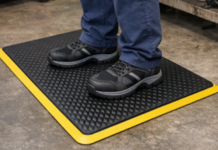
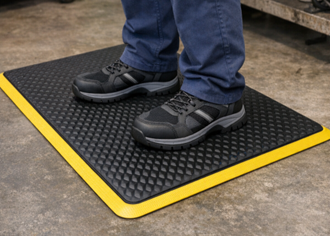
2. Add Anti-Fatigue Mats to Hard Floors
Standing on hard surfaces for extended periods can place stress on your feet, legs, and lower back. Anti-fatigue mats provide cushioning that reduces pressure and improves comfort.
Mats are especially helpful in areas where you stand frequently, such as at a standing desk or in the kitchen. They encourage subtle movement, which helps improve circulation.
Benefits of anti-fatigue mats include:
- Reduced pressure on joints
- Improved standing comfort
- Better weight distribution
- Increased movement while standing
- Less fatigue over time
Adding cushioning to hard surfaces creates a more supportive work environment.
3. Practice Movement Snacking Throughout the Day
Sitting for long periods can lead to stiffness and reduced mobility. Movement snacking involves taking short, frequent breaks to move your body.
Those small breaks help maintain circulation and prevent muscles from becoming tight. Consistency matters more than duration when building movement into your day.
Simple movement habits to try include:
- Standing every 30 to 45 minutes
- Stretching between tasks
- Taking short walks
- Changing positions regularly
- Setting movement reminders
Regular movement helps reduce fatigue and improve focus.
4. Incorporate Calf and Foot Mobility Drills
Tight calves and limited foot mobility can contribute to discomfort and poor posture. Simple mobility exercises can improve flexibility and reduce strain.
Adding short mobility sessions into your routine can help counteract the effects of prolonged sitting or standing. Those exercises can be done in just a few minutes throughout the day.
Effective mobility drills include:
- Calf stretches against a wall
- Ankle circles and rotations
- Toe raises and holds
- Foot rolling with a ball
- Gentle stretching routines
Improved mobility supports better movement and reduces tension.
Building a More Supportive Remote Work Routine
Remote work strain often develops gradually, making it easy to overlook simple fixes that could prevent discomfort. Small changes to your environment and habits can create a more supportive and balanced routine.
Focusing on foot support, movement, and surface comfort helps address common sources of strain. Those adjustments can improve both physical well-being and daily productivity.
Find a Home-Based Business to Start-Up >>> Hundreds of Business Listings.