




































Introduction
Many coffee lovers are now searching for an all stainless steel coffee maker with no plastic. Traditional coffee machines often contain plastic components that come into contact with hot water. When exposed to heat, plastic may release chemicals or unwanted flavors into the coffee.
Because of these concerns, consumers are increasingly choosing plastic-free coffee makers made entirely from stainless steel, glass, or ceramic materials. Stainless steel is durable, corrosion-resistant, and does not affect the flavor of coffee. It also withstands high temperatures without releasing harmful substances.
An all stainless steel coffee maker with no plastic is ideal for people who prioritize health, sustainability, and long-lasting kitchen equipment. These machines provide clean brewing while preserving the natural taste of coffee beans.
This guide explains how plastic-free coffee makers work, their benefits, different types available, and how to choose the best one for your needs.
Quick Answer: What Is an All Stainless Steel Coffee Maker No Plastic?
An all stainless steel coffee maker with no plastic is a brewing device made entirely from stainless steel and other non-plastic materials. It eliminates plastic parts in areas where hot water or coffee comes into contact.
Common types include:
- Stainless steel French press
- Stainless steel percolator
- Stainless steel pour-over coffee dripper
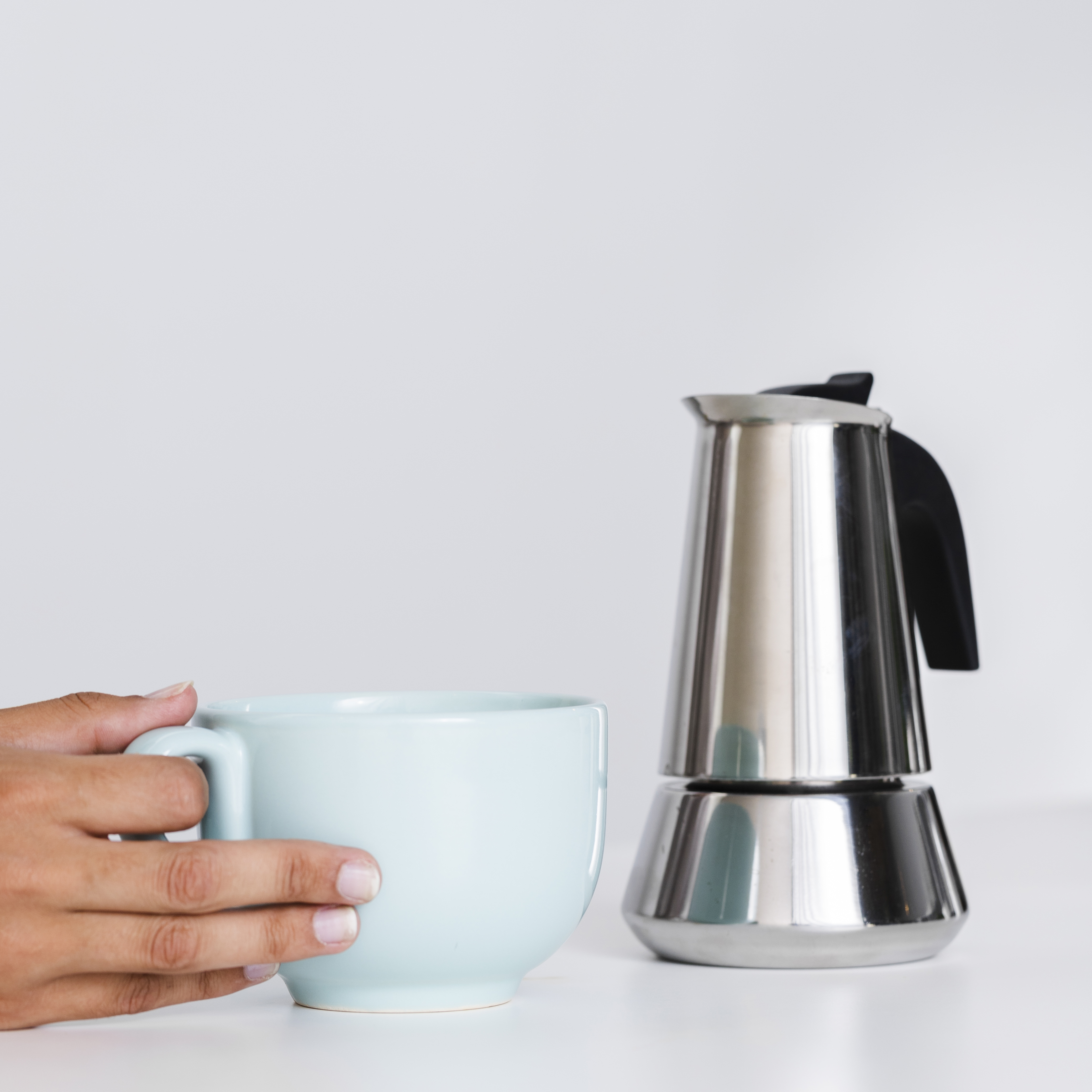
- Stainless steel stovetop coffee maker
These coffee makers provide chemical-free brewing and improved durability.
Key Takeaways
- Plastic-free coffee makers eliminate plastic components exposed to heat.
- Stainless steel brewing devices preserve natural coffee flavor.
- These coffee makers are durable, eco-friendly, and long-lasting.
- Popular options include French press, percolator, pour-over, and stovetop moka pots.
- Choosing food-grade stainless steel ensures safe coffee preparation.
Why Choose a Plastic-Free Coffee Maker?
Many people switch to plastic-free coffee makers for health, environmental, and performance reasons.
1. Avoid Chemical Exposure
Some plastics may release compounds such as BPA or microplastics when heated. Stainless steel eliminates this risk.
2. Better Coffee Flavor
Plastic components can sometimes absorb odors or affect the taste of coffee. Stainless steel keeps flavors pure.
3. Long-Lasting Durability
Stainless steel is resistant to rust, corrosion, and heat damage.
4. Eco-Friendly Choice
Plastic-free products reduce environmental waste and support sustainable living.
Types of All Stainless Steel Coffee Makers
Different brewing styles allow coffee drinkers to choose a method that fits their preferences.
Stainless Steel French Press
A French press uses immersion brewing where coffee grounds steep in hot water before pressing the filter.
Advantages
- Full-bodied coffee flavor
- Simple design
- No paper filters required
French presses made from stainless steel are durable and excellent for travel.
Stainless Steel Percolator
A percolator circulates boiling water through coffee grounds multiple times.
Benefits
- Strong coffee flavor
- Suitable for stovetop or camping
- Completely metal construction
Percolators are popular for people who enjoy bold coffee.
Stainless Steel Pour-Over Coffee Maker
Pour-over brewing involves manually pouring hot water over coffee grounds in a filter.
Advantages
- Precise brewing control
- Clean coffee taste
- Simple equipment
Many stainless steel drippers use reusable metal filters.
Stainless Steel Moka Pot
Moka pots use pressure from boiling water to push coffee through grounds.
Benefits
- Strong espresso-like coffee
- Compact stovetop design
- Durable metal construction
These are commonly used in European kitchens.
Comparison: Stainless Steel Coffee Makers vs Plastic Coffee Makers
| Feature | Stainless Steel Coffee Maker | Plastic Coffee Maker |
| Material | Metal construction | Plastic components |
| Durability | Very high | Moderate |
| Heat resistance | Excellent | Can degrade over time |
| Flavor impact | Neutral | May affect taste |
| Environmental impact | Reusable and eco-friendly | More waste |
Stainless steel coffee makers generally last longer and provide safer brewing.
Step-by-Step: How to Brew Coffee Using a Stainless Steel Coffee Maker
Step 1: Use Fresh Coffee Beans
Grind high-quality coffee beans for the best flavor.
Step 2: Heat Water
Water should be around 195–205°F (90–96°C) for optimal extraction.
Step 3: Add Coffee Grounds
Use the correct ratio:
- 1–2 tablespoons of coffee per 6 ounces of water.
Step 4: Brew According to Method
Depending on your device:
- French press: steep 4 minutes
- Pour-over: pour slowly in circles
- Percolator: allow brewing cycle
Step 5: Serve Immediately
Freshly brewed coffee provides the best flavor.
Real-World Use Cases
Health-Conscious Coffee Drinkers
People avoiding plastic exposure prefer stainless steel brewing tools.
Outdoor Enthusiasts
Metal coffee makers are durable and ideal for camping.
Minimalist Kitchens
Simple stainless steel coffee tools fit modern minimalist kitchens.
Specialty Coffee Lovers
Manual brewing methods allow better flavor control.
Expert Tip: Choose Food-Grade Stainless Steel
When buying a plastic-free coffee maker, look for 18/8 or 304 food-grade stainless steel.
Benefits include:
- corrosion resistance
- durability
- safe contact with hot liquids
- long product lifespan
High-quality stainless steel ensures a clean brewing process.
Common Mistakes When Buying a Plastic-Free Coffee Maker
Hidden Plastic Parts
Some products claim to be stainless steel but include plastic handles or filters.
Poor Filter Design
Low-quality filters may allow coffee grounds to pass through.
Ignoring Capacity
Choose the correct size for your daily coffee needs.
Low-Quality Steel
Cheap steel can rust or affect flavor.
Best Practices for Maintaining Stainless Steel Coffee Makers
Clean After Each Use
Rinse with warm water and mild soap.
Avoid Abrasive Cleaners
Harsh chemicals can damage the finish.
Descale Periodically
Mineral buildup from water can affect performance.
Store in Dry Areas
Dry storage prevents moisture damage.
Industry Insight: Rising Demand for Plastic-Free Coffee Equipment
Sustainability trends are driving the demand for plastic-free kitchen products. Many consumers now prefer eco-friendly coffee brewing equipment made from stainless steel, glass, and ceramic.
Coffee industry research suggests that environmentally conscious buyers are increasingly choosing durable, reusable brewing tools instead of disposable plastic machines.
Conclusion
An all stainless steel coffee maker with no plastic offers a healthier and more sustainable way to brew coffee. By eliminating plastic components, these coffee makers provide pure flavor, durability, and long-term value.
Whether you prefer a French press, pour-over dripper, percolator, or moka pot, stainless steel brewing tools deliver excellent performance without compromising safety.
For coffee lovers seeking clean brewing, eco-friendly materials, and long-lasting kitchen equipment, plastic-free stainless steel coffee makers are an excellent choice.
Frequently Asked Questions (FAQs)
1. What is an all stainless steel coffee maker with no plastic?
It is a coffee brewing device made entirely from stainless steel and other non-plastic materials. These machines eliminate plastic parts that come into contact with hot water or coffee.
2. Are stainless steel coffee makers safer than plastic ones?
Yes. Stainless steel does not release chemicals when heated and does not affect coffee flavor. This makes it a safer and more durable alternative to plastic components.
3. What types of plastic-free coffee makers are available?
Popular types include stainless steel French presses, pour-over drippers, moka pots, and percolators. Each method produces a slightly different coffee flavor and strength.
4. Does stainless steel change the taste of coffee?
No. High-quality food-grade stainless steel is neutral and does not affect coffee flavor. It preserves the natural taste of coffee beans.
5. How long do stainless steel coffee makers last?
With proper care, stainless steel coffee makers can last many years because the material resists rust, corrosion, and heat damage.
Find a Home-Based Business to Start-Up >>> Hundreds of Business Listings.