










































Choosing a bigger office for your growing business requires more than just extra space. Analyze team growth projections, departmental spatial needs, and client-facing space demands. Consider whether departments benefit from proximity or require separation for focused work.
Storage solutions, meeting room availability, and breakout areas often become critical in larger setups. Document pain points in your existing layout to avoid repeating design flaws.
Location Strategy for Scaling Businesses
Choosing the bigger office for growing your business impacts talent acquisition, client perception, and operational costs. A serviced office in Canary Wharf offers prestige and connectivity, though other districts may provide better value for specific industries. Accessibility via multiple transport routes becomes increasingly important with larger teams.
Evaluate whether expansion means staying local or relocating to business hubs. Consider proximity to partners, suppliers, and talent pools when selecting new premises.
Financial Planning for Expansion
Budgeting for a bigger office for your business involves more than comparing square footage costs. Factor in fit-out expenses, increased utility bills, and potentially higher business rates. Serviced offices often include flexible terms that cushion the financial impact of scaling up.
Calculate the total cost per employee rather than just overall rent. Unexpected expenses like parking provisions or after-hours HVAC requirements can significantly impact budgets.
Flexibility in Lease Structures
Growing businesses benefit from contracts that accommodate further expansion. Look for options like right-of-first-refusal on adjacent units or break clauses tied to headcount milestones. Traditional leases may become restrictive if growth accelerates unexpectedly.
Consider hybrid models where core teams occupy permanent space while project teams use flexible arrangements. This approach ensures your bigger office adapts to unpredictable growth without financial strain.
Designing for Productivity at Scale
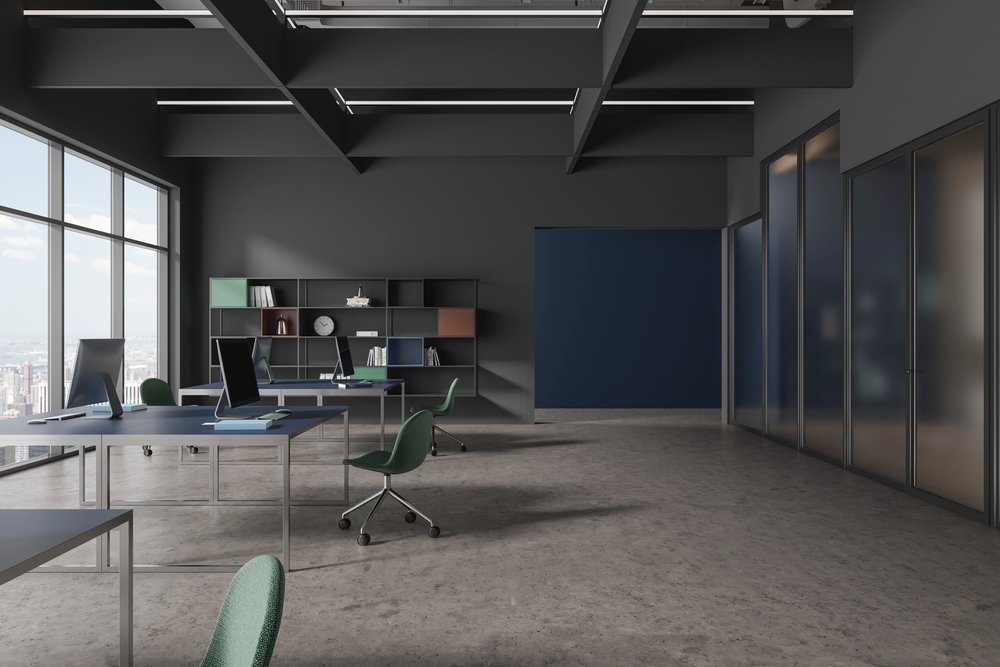
Larger teams require intentional space planning to maintain efficiency. Open plans encourage collaboration but need quiet zones for focused work. Natural light distribution becomes more challenging in expansive floorplates.
Engage employees in design discussions – their daily experience reveals practical needs. Modular furniture systems allow reconfiguration as teams evolve without costly renovations.
Technology Infrastructure Scaling
Expanded operations demand robust IT systems capable of supporting more users. Assess whether new premises can handle increased bandwidth requirements and additional hardware. On-site server rooms may need climate control upgrades.
Future-proof by ensuring cabling infrastructure can accommodate emerging technologies. Cloud migration before moving simplifies the transition and reduces physical IT burdens.
Operational Continuity Planning
Minimize disruption by phasing the move where possible. Departmental staggered transitions allow for troubleshooting before full-scale operation begins. Create detailed floor plans and movement timelines well in advance.
Maintain old premises overlap for critical functions during transition. Document all changes to layouts and systems for new employee orientation.
Cultural Implications of Expansion
Larger spaces can alter company dynamics and communication flows. Intentional design should preserve organizational culture while accommodating growth. Consider how spatial arrangements affect interdepartmental relationships.
Onboarding processes may need adjustment to help new hires integrate into the expanded environment. Common areas become crucial for maintaining cohesion across growing teams.
Sustainability Considerations
Larger footprints increase environmental impact and operational costs. Energy-efficient lighting, smart climate controls, and waste reduction systems offer long-term savings. Green building certifications may provide tax advantages.
Evaluate commuting patterns – locations with good public transport links reduce your carbon footprint. Solar panel feasibility assessments might be worthwhile for long-term premises.
Making the Transition Successful
Create cross-functional teams to oversee different aspects of the move. Assign clear responsibilities for logistics, IT migration, and employee communications.
Conduct trial runs of critical systems before full operation begins. Schedule the move during slower business periods if possible, and communicate timelines clearly to all stakeholders.
Thoughtful expansion planning turns physical growth into strategic advantage. Whether opting for a serviced office in Canary Wharf or custom-designed headquarters, let operational needs rather than prestige drive the decision. The right expanded workspace should facilitate current operations while providing runway for future growth.
FAQs
1. How do I know if my business needs a bigger office?
If your team is expanding, current space is limiting productivity, or you lack adequate meeting and client-facing areas, it’s time to consider a bigger office. Analyze growth projections and document pain points in your current layout to guide your decision.
2. What factors should I consider when choosing a new office location?
Key factors include accessibility via public transport, proximity to partners, suppliers, and talent pools, as well as client perception. Decide whether staying local or relocating to a business hub better supports your growth strategy.
3. How should I budget for office expansion?
Beyond rent, account for fit-out expenses, increased utility costs, potential business rates, parking, and climate control upgrades. Calculate total cost per employee to understand the financial impact accurately.
4. What lease structures are best for growing businesses?
Flexible leases with options like right-of-first-refusal on adjacent units or break clauses tied to headcount milestones are ideal. Hybrid models combining permanent and flexible space help accommodate unpredictable growth.
5. How can I design a larger office for productivity?
Combine open spaces for collaboration with quiet zones for focused work. Ensure good natural light distribution, involve employees in design discussions, and consider modular furniture to reconfigure as your team evolves.
6. How do I scale IT infrastructure in a bigger office?
Evaluate bandwidth and hardware needs, upgrade server rooms with proper climate control, and future-proof cabling for emerging technologies. Migrating to cloud-based systems before moving can simplify operations.
7. How can I minimize disruption during the move?
Phase the relocation department by department, maintain some overlap with your old premises for critical functions, document all changes, and create detailed floor plans and timelines to ensure operational continuity.
8. How does a bigger office affect company culture?
Larger spaces can alter communication flows and interdepartmental dynamics. Maintain cohesion by designing common areas, adjusting onboarding processes, and intentionally preserving aspects of organizational culture.
9. What sustainability considerations should I account for?
Use energy-efficient lighting, smart climate controls, waste reduction systems, and evaluate green certifications. Consider commuting patterns and solar panel feasibility to reduce long-term environmental impact.
Find a Home-Based Business to Start-Up >>> Hundreds of Business Listings.


