








































If you run a business from home, you already know how quickly your “workspace” can turn into a chaotic blend of notebooks, coffee cups, sticky notes, snack wrappers, cables, and yesterday’s to-do list. One minute you are typing away like a productivity queen, and the next you are thinking, “How did my desk become a storage room?” It happens with everyone. Many home businesses face cleaning challenges that can disrupt workflow, especially when the “office” is on the dining table, in the guest room, or even on a couch.
To solve this, all you need is a home office organization system that can transform how you work, think, and create. A well-organized workspace with aesthetic touch and Pinterest perfection? Not necessary! Having a perfect workspace is about a setup that supports your goals, prevents distractions, and makes you feel confident every day.
1. Start with a Workspace That Makes You Feel Good

Consider desks with built-in cable grommets or shallow drawers for daily tools. Ergonomic task chairs with breathable mesh backs and adjustable lumbar support are ideal for long work sessions. If space is limited, wall-mounted or fold-down desks work well in multipurpose rooms.
Before buying organizers or shelves, start with placement.
Ask yourself:
-
Where does natural light fall during working hours?
-
Which area feels least distracting?
-
What background appears on video calls?
-
Does your chair support your back for long work sessions?
A productive home office is about comfort, clarity, and confidence.
You do not need a full room.
A thoughtfully arranged corner or wall-mounted setup can be just as effective.
Pro tip: Position your desk facing a wall or window, not foot traffic. Visual calm improves mental focus.
2. Declutter With a Clear, Weekly Rule
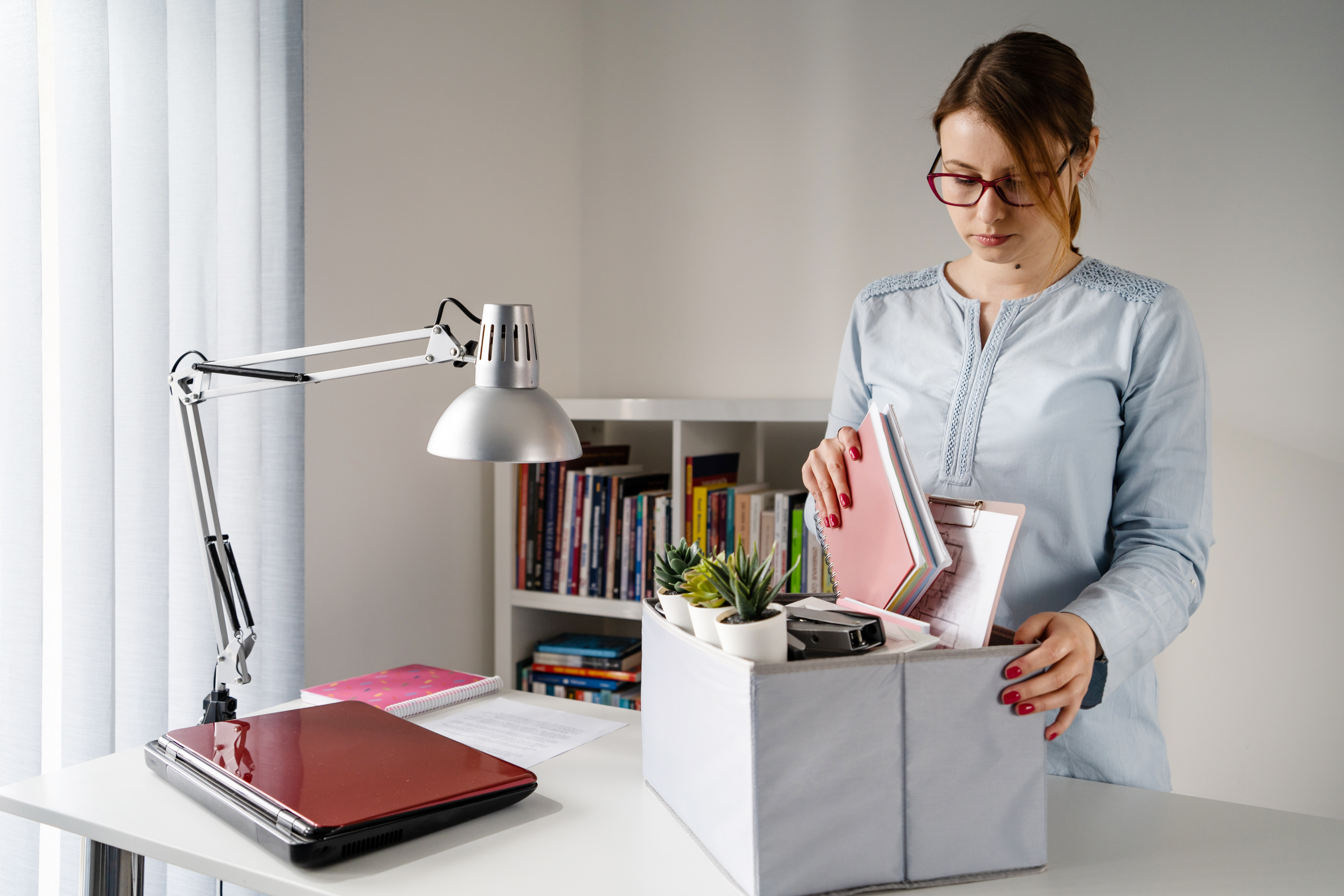
Clutter builds quietly—one receipt, one notebook, one “I’ll file this later” paper at a time.
Use this simple rule:
If you don’t use it every week, it doesn’t belong on your desk.
Remove:
-
Old paperwork
-
Duplicate stationery
-
Empty packaging
-
Random cables
-
Items unrelated to current work
Decluttering instantly:
-
Improves concentration
-
Reduces stress
-
Makes decision-making faster
Use clear acrylic desk trays for documents you need daily and fabric or canvas bins for items used occasionally. Acrylic organizers make contents visible at a glance, while soft bins reduce visual clutter and work well on open shelving.
3. Vertical Home Office Organization Ideas for Small Spaces.
When space is limited, go vertical instead of wider.
High-impact vertical solutions:
-
Floating shelves
-
Wall-mounted organizers
-
Pegboards
-
Magnetic whiteboards
-
Hanging file pockets
Pegboards are ideal for:
-
Headphones
-
Cables
-
Scissors
-
Frequently used tools
Floating shelves work well for:
-
Books
-
Printers
-
Storage boxes
Hanging file organizers keep active paperwork visible but off your desk, reducing surface clutter without hiding essentials.
4. Create Functional Work Zones (System Over Style)
Your brain thrives on structure.
Create clear activity zones:
-
Work zone: Laptop, mouse, daily tools
-
Paper zone: Invoices, receipts, admin files
-
Creative zone: Design tools, samples, notebooks
-
Charging zone: Phones, tablets, accessories
When everything has a defined place:
-
You waste less time searching
-
You reduce decision fatigue
-
You feel calmer instantly
This systems-based approach ensures your office stays organized long-term, not just after cleaning day.
5. Reduce Paper by Going Digital Where Possible
Paper piles are one of the biggest productivity killers in home offices.
Shift to digital tools:
-
Cloud storage (Google Drive, Dropbox)
-
Task management tools (Notion, Trello)
-
Digital note-taking apps
-
E-signature platforms
Fewer papers =
Less clutter + faster access + easier maintenance
A document scanner or scanner app helps convert paperwork quickly, while laptop stands made of aluminum or wood improve posture and free up desk space. External monitors mounted on adjustable monitor arms further reduce desk congestion.
6. Choose Storage That Matches How You Work
Choose storage based on how often you access items so your setup supports real, everyday workflows rather than just looking attractive. Plastic drawer units work well for daily supplies, wire rolling carts suit flexible or multipurpose spaces, and fabric file boxes are useful for archived paperwork, while under-desk metal shelving adds extra capacity without increasing visual clutter. To keep everything functional and easy to maintain, use drawer dividers for small items, labelled bins for supplies, file organizers for documents, rolling carts for movable storage, desk trays for daily essentials, and under-desk shelves for hidden organization. Storage should guide behavior—not simply hide mess.
7. Smart Organisation Products That Deliver Immediate Results
Many readers searching for home office organization are not just looking for ideas—they want practical products they can buy and use today.
Instead of generic storage mentions, choose solutions based on workspace size, task type, and daily usage.
Desk Organization Essentials
-
Clear acrylic document trays (A4 or letter size) – Ideal for invoices, contracts, and daily paperwork.
-
3-tier vertical paper organizers – Best for separating “To-Do, In Progress, Completed.”
-
Drawer divider kits (adjustable bamboo or plastic) – Perfect for pens, USB drives, and stationery.
-
Desk cable management boxes – Hide power strips for a cleaner, professional look.
Best for: freelancers, consultants, and admin-heavy home businesses.
Small-Space Storage Solutions
-
Slim rolling carts (3-tier metal, 15–30 cm width) – Fit beside desks in tight rooms.
-
Wall-mounted floating shelves (24–36 inches) – Store printers, books, or decor vertically.
-
Fold-down wall desks – Ideal for multipurpose rooms or apartments.
-
Fabric storage cubes (standard 13-inch) – Affordable and visually minimal.
Best for: apartment workers, side-hustlers, and shared-space offices.
Premium Productivity Upgrades
-
Aluminum laptop stands (adjustable height) – Improve posture and airflow.
-
Dual monitor arms (gas-spring adjustable) – Free desk space instantly.
-
Under-desk cable trays (metal mesh) – Essential for a professional setup.
-
Ergonomic mesh chairs with lumbar support – Critical for long work hours.
Best for: full-time remote professionals and growing home businesses.
Nothing ruins a workspace faster than visible cable mess.
Simple cable management tools:
-
Cable sleeves
-
Under-desk cable trays
-
Adhesive cable clips
-
Wireless devices where possible
A tangle-free desk:
-
Looks professional
-
Feels calmer
-
Improves daily workflow
Small fix. Big impact.
8. Add Visual & Emotional Motivation (Minimal but Intentional)

Your office should energize you—not distract you.
Add one or two personal elements:
-
A small plant
-
Warm desk lighting
-
A framed quote
-
A mood board
-
A comfortable desk mat
-
A subtle candle (if safe)
Visual inspiration improves time-on-task and mood.
Less is more.
9. Keep a “Reset Routine” at the End of Each Day
- Clear your desk
- Close all tabs
- Put back supplies
- Plan tomorrow’s top three tasks
Final Thoughts
How Home Business Magazine Can Help Your Home Business
FAQ
1. What is the best home office organization setup for home business owners?
The best home office organization setup is one that reduces distractions, improves workflow, and supports daily business tasks. Using task zones, vertical storage, and clutter-free desks helps home business owners stay productive and focused. Comfort and functionality matter more than aesthetics.
2. How can I organize a small home office effectively?
You can organize a small home office by using vertical storage like shelves and wall organizers, minimizing desk clutter, and creating defined work zones. Going digital and using compact storage solutions also helps maximize limited space without sacrificing productivity.
3. Why is home office organization important for productivity?
Home office organization improves productivity by reducing visual clutter, saving time, and lowering stress. When everything has a designated place, it becomes easier to focus, manage tasks efficiently, and maintain a consistent work routine from home.
4. What are budget-friendly home office organization ideas?
Budget-friendly home office organization ideas include decluttering regularly, using drawer dividers, cable clips, labeled bins, and repurposed storage boxes. Digital tools also reduce the need for paper storage, keeping costs and clutter low.
5. How often should I reorganize my home office?
You should do a quick daily reset and a deeper reorganization every few months. Regular maintenance keeps clutter from building up and ensures your home office organization system continues to support your business goals.
Find a Home-Based Business to Start-Up >>> Hundreds of Business Listings.