






































In the quiet hours of the early morning, when the house is dark and still, the last thing any family expects is to be jolted awake by the shriek of a smoke alarm. Yet for hundreds of households each year in the UK, this becomes a terrifying reality. In those moments, time matters. And often-overlooked features of your home can buy you precious minutes: fire-safe doors.
Fire-safe doors, when properly installed and maintained, can slow the spread of flames and, more critically, of smoke. They’re not just for commercial buildings or high-rise flats. They matter just as much in homes with garages, staircases, and sleeping children.
This guide explains, in straightforward language, what makes a door fire-safe, where they matter most in a home, how to choose the right one without getting lost in acronyms, and the habits that keep them working.
What Makes a Door Fire-Safe
Fire-safe doors, or fire doors, are tested and certified barriers. One is not merely a heavy slab of wood but a system: the door itself, the frame, the hinges, the latch, the seals, all engineered and tested to hold back fire and smoke.
Two common UK classifications:
- FD30: Designed to withstand fire for up to 30 minutes.
- FD60: Rated for 60 minutes, typically used in larger or higher-risk properties.
The Often Overlooked Threat: Smoke
In domestic fires, particularly at night, smoke is frequently the deadliest threat. It moves quickly, seeping under doors and filling hallways long before flames arrive. Fire-safe doors with integrated smoke seals help contain that danger.
A solid-looking door isn’t enough. Gaps around the edges, missing seals, or a latch that doesn’t catch properly can render it ineffective. As fire safety experts often note, most failures stem not from the door itself but from how it’s installed, or neglected.
Where Fire-Safe Doors Matter in the Home
Many people assume fire-safe doors belong in offices or stairwells. But a closer look at everyday domestic layouts shows several high-risk zones where fire safety measures matter.
The Garage Connection
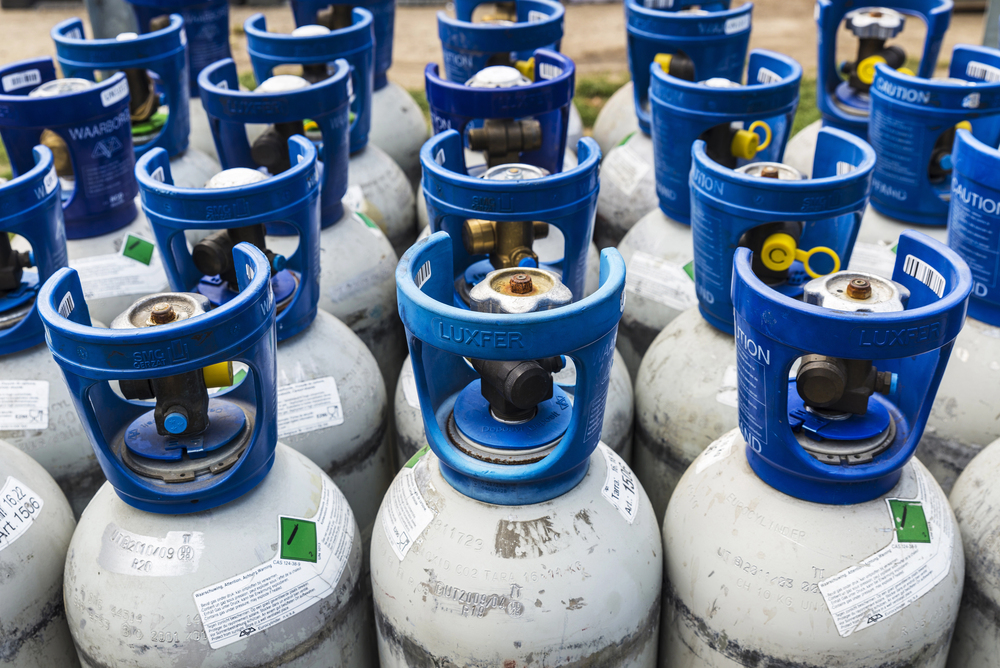
If your garage is attached to your house, the door between the two should be fire-rated. Fuel containers, electric car chargers, and garden chemicals all live here. Approved Document B, the UK’s fire safety regulation, recommends a self-closing FD30 door in this spot.
Multi-Storey Homes and Lofts
In homes with more than one storey, or a converted loft, protecting the stairway is key. Bedrooms typically open onto a hallway or landing. In a fire, that hallway becomes your escape route. Fire doors help keep it viable.
Flats and Communal Buildings
In apartments, your front door is your first, and often only, defence. It must be fire-rated and self-closing. Communal corridors and stairwells are legally required to meet strict fire door standards.
Three doors to focus on:
- The main entrance (especially in flats)
- The garage-to-home internal door
- Any door leading to a stairwell in multi-storey homes
How to Know If You Already Have Fire-Safe Doors
Check the Edges
Many certified fire doors are marked. Look at the top or hinge edge for a label or coloured plastic plug. These markers come from manufacturers or certification bodies like the BWF Fire Door Alliance or BM TRADA.
Visual Clues
While not conclusive, these signs suggest you’re looking at a fire door:
- Thin strips around the edge (intumescent or smoke seals)
- The door closes itself and latches without help
- Even, narrow gaps (3–4 mm) around the door
- No obvious warping or damage
Caution: Don’t make assumptions, especially if the door protects a stairway or flat entrance. If unsure, consult a qualified inspector.
Choosing the Right Door, Without the Jargon
FD30 or FD60?
In most family homes, FD30 is sufficient. It provides a vital half-hour window. FD60 is more commonly specified in commercial settings or large homes with complex layouts.
Buy the Whole Package
Performance depends on the complete doorset, not just the panel. That means the frame, the hinges, the closer, and even the latch. All should be tested together.
Know Your Certifiers
Look for third-party certification. The Q-Mark and BWF Certifire schemes both indicate that the door has been rigorously tested and regularly audited.
Make It Livable
Fire doors don’t have to make family life harder:
- Quiet closers prevent slamming and waking the baby
- Vision panels (with fire-rated glass) allow for visibility in homes with small children
- Finger guards protect little hands
- Thresholds and seals can balance trip hazards with smoke protection
A practical spec for families:
- FD30 rating
- Combined intumescent and smoke seals
- Self-closing mechanism
- Secure latch
- Optional: quiet closer, vision panel, finger protection
What Fire-Safe Doors Need to Work
It Must Close and Latch
If fire-safe doors don’t shut completely, or need tugs to click shut, they won’t do their jobs.
Gaps
Even small variations can defeat a door’s purpose. A 3–4mm perimeter gap is typical. If you see light around the edges, have it checked.
Seals
- Intumescent strips swell in heat to block fire
- Smoke seals slow down smoke seepage
Replace if frayed, brittle, or missing.
Don’t Swap Out Hardware Casually
Hinges, locks, even handles must be compatible for fire-safe doors. Replacing parts without checking can invalidate the door’s certification.
When Fire Doors Collide with Family Life
Wedges and Door Stops
Children, pets, and daily life often lead to doors being held open. If necessary, use approved hold-open devices that release when alarms sound. Never rely on doorstops.
Slamming Doors
Ask a qualified installer to adjust the closer. Most models can be softened. Never remove the closer.
New Carpet, Sticky Door
Cutting the bottom of a fire door can ruin its integrity. Always get professional advice before making adjustments.
Balancing Security and Fire Safety
Some homeowners want a door that deters intruders and withstands fire. That’s possible, but only with proper testing and documentation.
Look for products like fire-rated security doors from LathamSteelDoors, which show certification for both functions.
What to look for for fire-safe doors:
- Fire rating (e.g., FD30)
- Verified smoke seals
- Security hardware that’s part of a certified doorset
When to Call a Professional
It’s worth seeking expert help when:
- You live in a flat or shared building
- You’re checking a garage or stairway door
- You’ve noticed any red flag issues
Look for professionals certified through FDIS (Fire Door Inspection Scheme) or members of a third-party certification scheme.
FAQs: Fire-Safe Doors
What’s the difference between FD30 and FD60?
FD30 resists fire for 30 minutes; FD60 lasts 60. FD30 is sufficient for most homes.
Do fire doors need to be self-closing in homes?
Not always. But it’s required between a house and integral garage, and in most flats. Check current guidance.
Can I paint a fire door?
Yes, but avoid painting over labels or seals, and use compatible finishes.
Can I trim a fire door?
Only within limits. Trimming too much or in the wrong place can ruin its fire resistance.
How often should I check fire doors?
Do quick checks weekly, and a full check twice a year.
What are smoke seals and do I need them?
Yes. They block smoke, especially vital in sleeping areas.
How do I know if my door is certified?
Look for labels or plugs on the edge, or check paperwork.
Should the door between my garage and house be fire-rated?
Yes. A self-closing FD30 door is typically recommended.
Can I change the handle or lock?
Only if it’s a fire-rated component. Otherwise, performance may be affected.
My fire door doesn’t latch unless pulled, what does that mean?
It needs adjustment. If it doesn’t latch, it can’t perform in a fire.
References:
- UK: Approved Document B (Fire safety)
- Fire Safety (England) Regulations 2022: Overview
- BWF Fire Door Alliance: Fire Door Guidance
- BM TRADA Q-Mark: Certification Overview
Find a Home-Based Business to Start-Up >>> Hundreds of Business Listings.