









































For entrepreneurs, buying a rental property isn’t just about finding a place someone will live. It’s about acquiring an asset that produces predictable cash flow without turning into a maintenance drain. A proper inspection is what separates a scalable investment from a costly distraction.
This home inspection checklist for entrepreneurs buying rentals is designed with one goal in mind: helping you evaluate a property the way an operator would, not the way an emotional buyer does.
Why Entrepreneurs Need a Different Inspection Mindset
Routine inspections gauge safety and habitability, yes, yet a property entrepreneur must look deeper—how the structure withstands years of use, how often repairs crop up, how tenants feel, and what it costs to run.
A loose handrail matters because it’s a liability risk. An aging roof matters because it can wipe out a year of net income. A hidden pest issue matters because it compounds quietly until repairs become unavoidable.
Seasoned rental owners often say the home inspection report isn’t just a checklist—it’s a forecast.
Quick Reference: Rental Property Inspection Checklist
| Inspection Area | What to Check | Business Impact |
| Foundation & Structure | Cracks, settling, uneven floors, water intrusion | High-cost repairs, long-term ROI erosion |
| Pests & Wood-Destroying Organisms | Termite evidence, past treatments, hollow wood | Hidden structural damage, recurring costs |
| Roofing & Drainage | Roof age, patchwork repairs, grading, gutters | Moisture damage, tenant complaints |
| Electrical Systems | Panel capacity, wiring type, breaker condition | Fire risk, insurance issues |
| Plumbing Systems | Pipe material, water pressure, drainage speed | System-wide failure, tenant dissatisfaction |
| HVAC Systems | Unit age, service history, efficiency | Emergency replacements, budget volatility |
| Exterior & Safety | Walkways, railings, lighting, siding | Liability exposure, tenant perception |
| Legal & Zoning Compliance | Rental restrictions, occupancy limits, licensing | Deal viability risk |
| Financial Translation | Immediate vs. future repairs, CapEx planning | Cash flow predictability |
Structural and Foundation Issues That Affect Long-Term ROI
Foundation problems are among the most expensive issues a rental owner can face, and they rarely get better on their own. Cracks wider than a quarter inch, doors that won’t close properly, or uneven flooring can indicate shifting or settling.
One Midwest investor learned this the hard way after skipping a structural engineer review on a duplex with “minor” foundation cracks. Within three years, water intrusion led to mold remediation and structural reinforcement costing over $38,000—nearly three years of net cash flow gone.
Entrepreneurs should treat foundation stability as a non-negotiable, not a cosmetic concern.
Pest and Wood-Destroying Organisms: The Silent Profit Killer
Termites quietly carve profits out of rental deals, a risk many buyers gloss over, especially in humid Gulf and Atlantic counties.
Mud tubes tracing the slab, blistered paint along baseboards, hollow knocks on support beams, or doors suddenly scraping their frames all whisper infestation. Even a single disclosure note about past tenting or spot-drilling hints the fight is ongoing.
This is why experienced investors often consult a professional termite treatment provider before closing. Identifying active or historical infestations early allows buyers to renegotiate price, require remediation, or walk away entirely.
In Florida, for example, termite-related repairs are among the top unexpected expenses for first-time landlords, according to regional property management data.
Roofing, Drainage, and Moisture Control
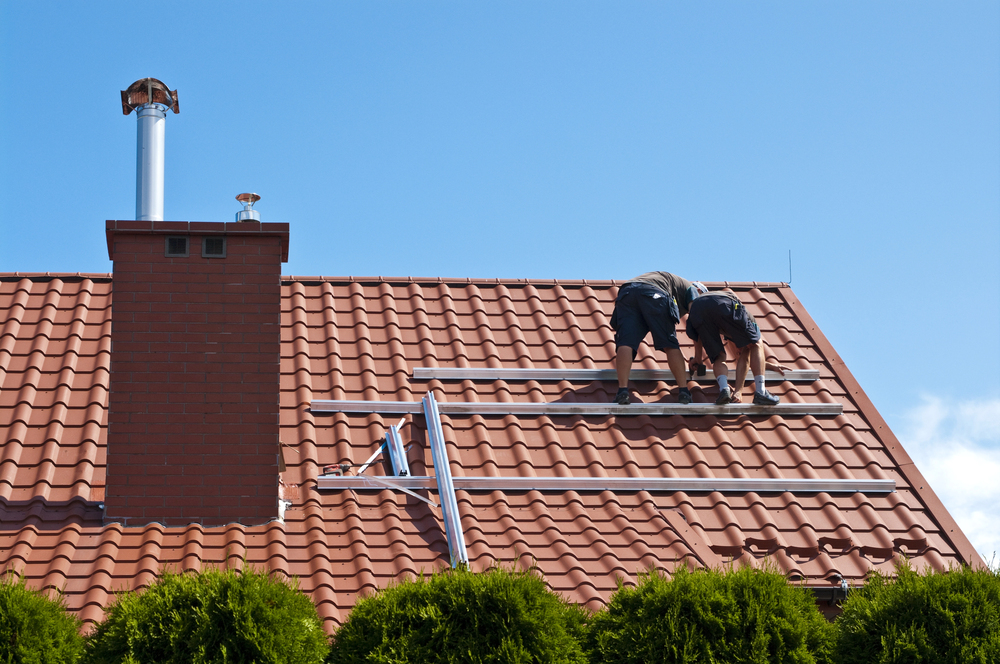
Roofing problems are rarely isolated issues. A compromised roof leads to water damage, insulation failure, mold growth, and tenant complaints that escalate quickly.
Entrepreneurs should confirm the roof’s remaining lifespan, not just whether it’s currently leaking. Patchwork repairs often signal deferred maintenance. Poor gutter systems and improper grading can direct water toward the foundation, compounding structural risks.
A Texas investor who underestimated drainage issues on a four-unit property spent over $12,000 correcting water flow problems after repeated slab moisture issues triggered tenant move-outs.
Electrical and Plumbing: Liability and Scalability Concerns
Older electrical systems may technically function, but that doesn’t mean they’re adequate for modern usage. Insufficient panel capacity, aluminum wiring, or outdated breakers increase fire risk and insurance costs.
Plumbing issues follow a similar pattern. Galvanized pipes, slow drains, and inconsistent water pressure often indicate system-wide degradation. These problems don’t just affect maintenance costs; they impact tenant satisfaction and retention.
Entrepreneurs planning to scale should think in systems. If one unit has failing plumbing, others likely will too.
HVAC Systems and Operational Predictability
Heating and cooling systems are among the most expensive single components in rental properties.
During inspection, investors should document system age, service history, and efficiency ratings. An HVAC unit near end-of-life may still work during inspection but fail during peak season, forcing emergency replacements at premium prices.
A case study from a multi-state rental operator showed that proactive HVAC replacements reduced emergency maintenance calls by 42 percent over five years, improving tenant retention and budgeting accuracy.
Exterior Conditions and Tenant Perception
The exterior tells a story about how the property has been treated.
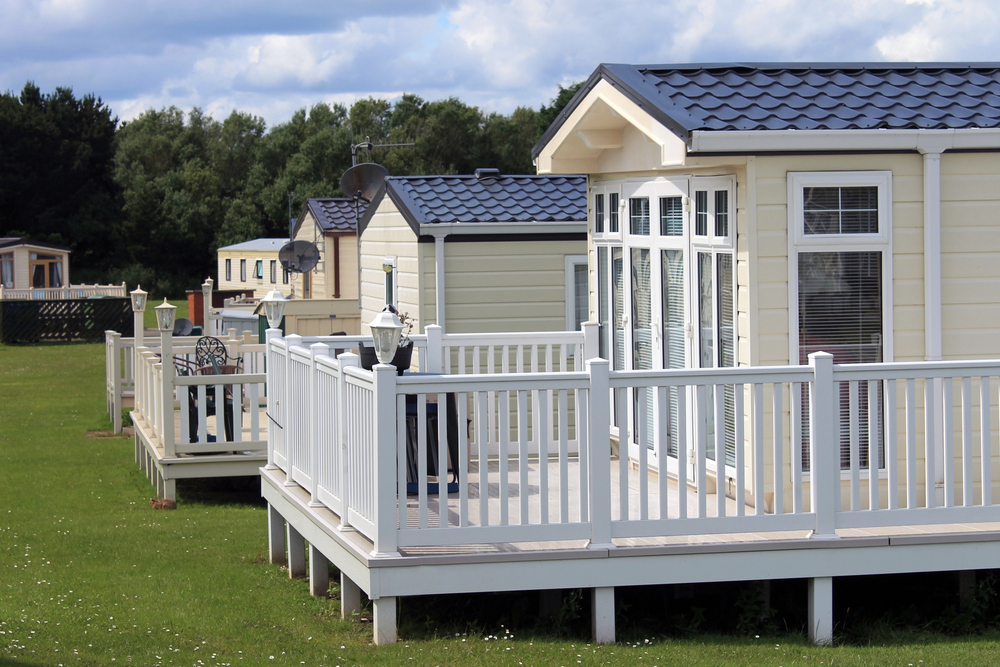
Cracked walkways, loose railings, damaged siding, or poor lighting aren’t just cosmetic flaws. They create safety risks and influence how tenants perceive management quality. Properties that look neglected externally often experience higher turnover and more complaints.
This is especially relevant in shared communities or HOA-managed properties. Understanding how associations handle maintenance is critical, and resources explaining what happens if an HOA goes bankrupt can provide valuable context before committing capital.
Legal, Zoning, and Market Fit Checks
Even a flawless home inspection checklist for entrepreneurs can’t save a deal that doesn’t work legally or operationally.
Entrepreneurs should confirm zoning compliance, rental restrictions, and local ordinances before closing. Short-term rental bans, occupancy limits, or licensing requirements can derail projected returns overnight.
Many investors pair inspections with broader acquisition research, including guidance on different ways to find a house to buy, ensuring properties align with both market demand and regulatory realities.
For authoritative guidance on housing standards and inspection benchmarks, the U.S. Department of Housing and Urban Development provides detailed resources on property condition requirements and safety standards at https://www.hud.gov.
Translating Inspection Findings Into Financial Decisions
The most valuable step happens after the inspection report is delivered.
Entrepreneurs should categorize findings based on urgency, cost, and tenant impact. Immediate safety issues require resolution before renting. Medium-term repairs should be budgeted into reserves. Long-term upgrades inform future capital planning.
This financial translation is what turns an inspection from a report into a strategy.
Conclusion: Inspect Rentals Like Revenue Assets
A strong home inspection checklist for entrepreneurs buying rentals goes beyond identifying problems. This will help you understand how a property will perform as a business asset over time.
When inspections are treated as due diligence instead of formalities, entrepreneurs avoid emotional purchases, negotiate more effectively, and protect long-term cash flow. That discipline is often the difference between owning rentals and building a rental business.
Find a Home-Based Business to Start-Up >>> Hundreds of Business Listings.


