






































Remote work has changed what entrepreneurship looks like. You no longer need a physical storefront or a local customer base to grow a sustainable business. With the right tools and a global mindset, these entrepreneurs can build income streams that reach far beyond their immediate surroundings. Today, digital platforms, international customers, and flexible online business models allow individuals to create businesses that operate across borders while working from home.
Why Global Markets Feel Like a Fresh Start
Many people start a home based business because they want freedom. Some want more control over their time. Others simply want an income not tied to one employer. When global markets enter the picture, that sense of freedom changes in a meaningful way.
Instead of relying entirely on your local economy’s strength, your work can reach customers in multiple regions at once. Demand in one country may rise while another slows down, and entrepreneurs who sell globally often notice that this natural spread of customers makes their income feel less fragile. Over time, that stability becomes an important part of financial independence.
When Your Business Exists Online, Location Matters Less
Remote entrepreneurship has a surprising side effect. Geography has started to matter far less than it used to. A designer working from a small town in Michigan can collaborate with a startup in London. A fitness coach in Texas might find that half their students live overseas.
None of this requires mastering every international market. Most entrepreneurs simply begin by solving a problem well for the audience they reach. The internet quietly handles the distance.
The Different Roads Remote Entrepreneurs Take
There is no single model for building a business in global markets. Some entrepreneurs begin freelancing because it generates income quickly and introduces them to clients worldwide. Others build digital products that can be downloaded instantly from anywhere. Many combine several ideas over time to build a business in global markets.
It is common to see someone start with consulting work, then release a course, then experiment with small digital products. Each piece adds another layer to the business. The combination often becomes stronger than any single revenue source alone.
The Tools That Make Global Business Feel Simple
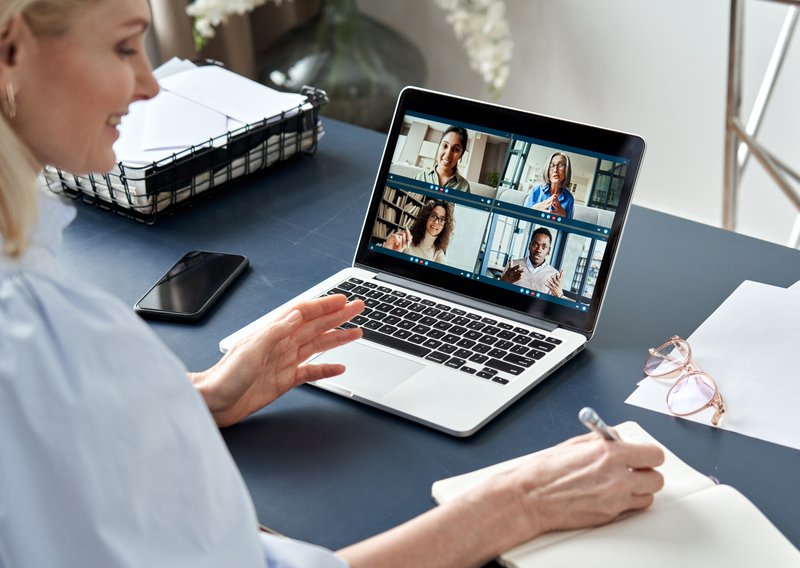
Running a global business might sound complicated, yet much of the complexity is handled quietly by technology. Payment platforms process international transactions without requiring you to think about currency conversions. Cloud-based tools allow teams in different countries to collaborate without much friction. A simple video call can connect you with clients on the other side of the world in seconds.
As entrepreneurs begin earning from multiple regions, they also become more aware of how currencies move and how exchange rates can affect revenue. Some founders even keep an eye on forex trading markets to better understand currency shifts, especially when a large portion of their income arrives in different currencies. For a solo entrepreneur, these tools and insights act like invisible infrastructure that helps international business run smoothly.
Discovering Global Demand in Unexpected Ways
Many entrepreneurs do not begin with a global strategy. Instead, international demand reveals itself gradually: A sale appears from a country you never targeted, your analytics show website visitors arriving from unexpected regions, or someone reaches out after discovering your work on a marketplace you barely remember joining.
These small signals often guide the next stage of growth, and once you recognize where interest is coming from, you can shape your products, pricing, or messaging in ways that resonate more strongly with those audiences.
The Practical Side of Operating Globally
Of course, global entrepreneurship also introduces a few practical challenges. Taxes may differ from one region to another. Some digital products require compliance with international regulations. Entrepreneurs who hire contractors across borders quickly become familiar with time zone differences and communication styles. None of these obstacles is unusual. Most remote entrepreneurs treat them as part of the learning curve that comes with expanding beyond a single market.

Why Multiple Income Streams Make a Difference
One pattern shows up again and again among people who feel financially secure. They rarely depend on one income source alone. Instead they build a combination of activities that support the business in different ways.
Freelance work or consulting often provides steady cash flow. Digital products add scalable income that does not require constant attention. Courses, memberships, or niche tools can create long term revenue over time.
Each piece strengthens the others—when one area slows down, another often continues moving forward.
A Bigger Market Changes the Way long-term About Work
Perhaps the most meaningful change that comes with global entrepreneurship is perspective. When your work reaches people in many places, the limits you once assumed begin to fade. You are no longer building a business that depends entirely on your local environment. You are building something that can grow wherever there is demand.
Financial independence rarely arrives overnight. It develops gradually as your business becomes more resilient, more adaptable, and more connected to a wider world. For remote workers, global markets make that process home-basedchievable than it once was.
Entrepreneurs Redefining Global Markets
Building a remote business today in global markets means thinking beyond local boundaries. With digital tools, international platforms, and flexible online business models, you can serve customers around the world while working from home. By exploring global markets, diversifying income streams, and staying adaptable, remote founders can steadily move toward greater financial independence and long-term business resilience.
Find a Home-Based Business to Start-Up >>> Hundreds of Business Listings.