







































In today’s rapidly evolving technological landscape, two transformative technologies—Augmented Reality (AR) and the Internet of Things (IoT)—are converging to create smarter, more efficient solutions for various industries. While both technologies have already made significant impacts in their respective fields, their intersection holds even greater promise for the future. By combining the power of AR and IoT, companies can improve operational efficiency, enhance customer experiences, and unlock new business opportunities.
Understanding the Basics: What is AR and IoT?
Before exploring their intersection, it’s important to define both AR and IoT, as these concepts can be quite intricate.
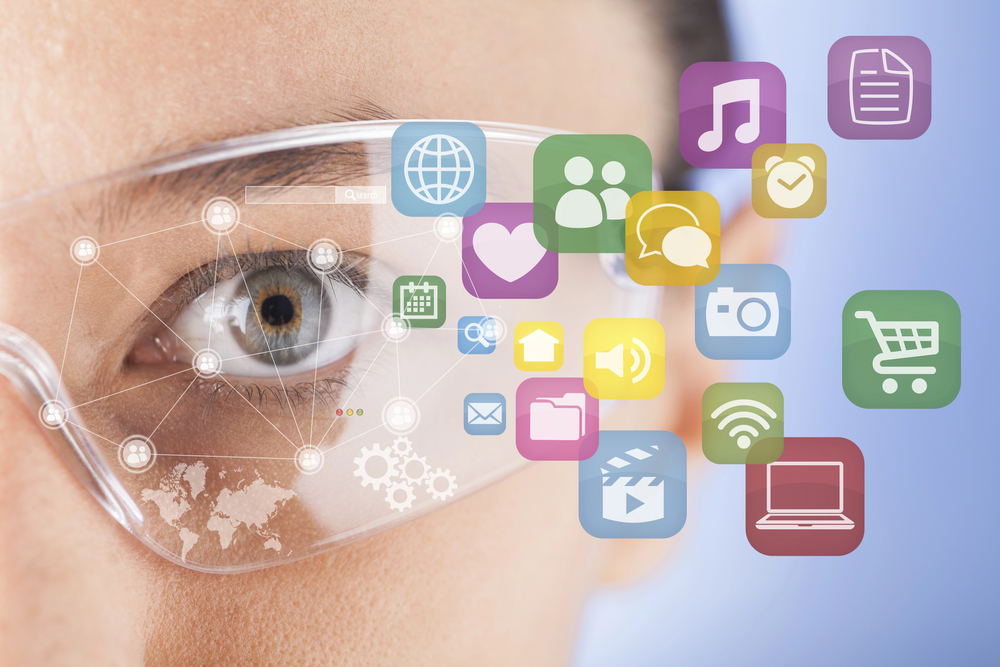
Augmented Reality (AR) refers to the integration of digital information into the user’s view of the real world. Through devices such as smartphones, tablets, and AR glasses, AR superimposes virtual elements—like images, sounds, and videos—onto a live view of the real world, creating an interactive experience. For example, AR can allow users to visualize how a piece of furniture would look in their living room before making a purchase.
The Internet of Things (IoT), on the other hand, refers to the network of physical devices, vehicles, appliances, and other objects embedded with sensors and software that enable them to collect and exchange data. These connected devices can communicate with each other over the internet, offering real-time insights and automation. Smart home systems, wearable devices, and industrial machinery are all examples of IoT applications.
The Convergence of AR and IoT: Creating Smarter Solutions
While AR and IoT are powerful individually, their combined potential is far greater. The intersection of AR and IoT technologies allows businesses to create innovative solutions that leverage both real-time data collection and immersive, interactive user experiences.
1. Enhancing Real-Time Decision-Making with AR and IoT
One of the primary benefits of merging AR and IoT is the ability to enhance real-time decision-making. In industries such as manufacturing, logistics, and healthcare, real-time data from IoT devices can be displayed in augmented reality environments, providing workers with a more intuitive way to analyze information.
For instance, in a manufacturing facility, IoT sensors embedded in machinery can track performance and detect issues like wear and tear. AR glasses or tablets can display this data directly on the equipment, allowing workers to visualize the problem areas. This instant access to critical information enables more efficient troubleshooting and maintenance, reducing downtime and improving productivity.
Similarly, in healthcare, IoT devices like wearable health monitors can track a patient’s vital signs in real-time. This data can be superimposed on an AR interface, giving healthcare professionals an immediate and detailed view of the patient’s health status. This not only saves time but also improves the accuracy of diagnoses and treatment plans.
2. Improving Customer Engagement Through AR and IoT
Another significant area where AR and IoT intersect is customer engagement. By combining AR and IoT, businesses can create more personalized, interactive experiences for their customers. Retailers, for example, are already exploring the use of AR to enhance online shopping experiences. With AR, customers can visualize products in their own space before purchasing. When IoT is added to the mix, retailers can take it a step further.
Imagine a customer in a smart store, where IoT-enabled shelves and products interact with AR devices. When the customer looks at a product, their AR glasses or smartphone could display real-time information about that product, such as its availability, price, and customer reviews. Additionally, the IoT sensors could detect if the customer is holding an item for a certain amount of time and push relevant offers or recommendations based on their behavior.
This integration of AR and IoT creates a more seamless, engaging shopping experience, ultimately increasing customer satisfaction and driving sales. It also helps retailers gather valuable data on customer preferences, allowing them to tailor their offerings even further.
3. Transforming Industries with AR and IoT Integration
Several industries stand to benefit greatly from the convergence of AR and IoT, each utilizing the technologies in unique ways to drive innovation.
Manufacturing and Industrial Automation:
In manufacturing, intersection of AR and IoT can help optimize production lines and improve maintenance processes. IoT sensors can monitor machinery and detect performance issues, while AR interfaces can display this data in real-time, helping workers fix issues quickly and efficiently. Furthermore, AR can guide workers through complex assembly tasks, ensuring precision and reducing human error.
Smart Cities and Urban Development:
The development of smart cities relies heavily on IoT to connect infrastructure, traffic systems, utilities, and more. By incorporating AR into these systems, city planners and citizens can gain a more interactive view of their surroundings. For example, AR could be used to visualize traffic patterns or construction projects in real-time, while IoT devices track the flow of vehicles and pedestrians. This could lead to more informed decision-making and enhanced urban planning.
Healthcare and Remote Assistance:
AR and IoT also have the potential to transform healthcare by improving patient monitoring and providing remote assistance. IoT-enabled medical devices can track patient data in real-time, while AR applications can overlay this information for doctors and nurses, enabling them to make quicker decisions. Furthermore, AR could be used for remote consultations, where healthcare professionals can guide patients through medical procedures via an immersive AR interface.
4. The Role of Augmented Reality Software Development
As the demand for integrated AR and IoT solutions grows, the role of Augmented Reality software development becomes increasingly important. Building effective solutions requires deep expertise in real-time data processing, device integration, and user experience design.
Companies that specialize in AR and IoT integration—such as those offering advanced Augmented Reality software development services at saritasa.com — help businesses create scalable, secure, and highly interactive applications that connect physical devices with immersive digital environments.
Such solutions enable AR platforms to seamlessly pull data from IoT devices, visualize it in real time, and deliver meaningful insights to users across industries.
Conclusion: A Smarter Future Ahead
The convergence of Augmented Reality and the Internet of Things is creating smarter, more efficient solutions for industries worldwide. By combining the immersive experience of AR with the real-time data collection of IoT, businesses can enhance decision-making, improve customer engagement, and transform entire industries. The future of AR and IoT holds immense promise, and with continued innovation and development, we can expect even more groundbreaking solutions to emerge.
As businesses continue to explore the intersection of these technologies, they will uncover new ways to integrate AR and IoT, pushing the boundaries of what’s possible and creating a smarter, more connected world.
Find a Home-Based Business to Start-Up >>> Hundreds of Business Listings.