









































As home-based businesses grow, health and safety responsibilities often become more complex. What starts as a low-risk setup can quickly involve substances hazardous to health, from cleaning chemicals and solvents to dusts, fumes and vapours produced during day-to-day activities. For many small employers, managing COSHH obligations using paper forms or spreadsheets soon becomes inefficient and difficult to maintain.
This is where Velappity plays a central role. Using dedicated coshh assessment software allows home-based businesses to manage COSHH risk assessment requirements in a structured, auditable way. Instead of relying on scattered documents, assessment software supports consistent risk assessments, better visibility of hazardous substances, and stronger compliance with COSHH regulations as the business evolves.
Why Coshh Compliance Matters for Home-Based Businesses
The Control of Substances Hazardous to Health Regulations apply wherever substances hazardous to health are used, stored or generated. This includes many home-based environments, particularly those involving workshops, cleaning activities, beauty or treatment services, light manufacturing, maintenance work or product preparation.
COSHH assessments help identify hazardous chemicals and other substances hazardous to health, assess exposure routes, and decide on control measures. These substances may include chemicals, dusts, fumes, vapours, mists, gases and biological agents. Even small quantities can pose risks if exposure controls are not properly implemented.
Legal compliance is not optional. Businesses have legal obligations to protect health and safety, maintain appropriate records and demonstrate that risks are being actively managed. For home-based businesses, COSHH assessments matter because informal processes quickly break down as workloads increase or additional people become involved.
Coshh Assessments and Safety Data Sheets: Clarifying the Difference
A frequent source of confusion is the relationship between COSHH assessments and safety data sheets. Safety data sheets, sometimes referred to as material safety data sheets, provide important information on the physical and chemical properties of substances. They outline hazards, handling instructions, storage guidance and emergency measures.
However, COSHH assessments vs safety data sheets is not an either-or choice. Safety data sheets SDS information supports COSHH, but COSHH goes beyond SDS. A data sheet SDS cover does not account for how substances are actually used in a specific environment, how often exposure occurs, or who may be affected.
COSHH assessments and SDSs work together. Information flow from SDS documentation supports hazard identification, while COSHH risk assessment translates that information into practical action. This includes identifying exposure routes, selecting appropriate control measures and documenting how risks are mitigated in real working conditions.
The Limitations of Manual Coshh Management
Many home-based businesses begin with a free COSHH risk assessment template or basic forms. While this may work initially, it becomes increasingly difficult to maintain compliance as operations grow. Version control issues, missing safety data sheets, inconsistent risk assessments and outdated control measures are common problems.
Manual systems also make it harder to demonstrate compliance with COSHH regulations during audits or inspections. Without a comprehensive document trail, businesses may struggle to show that COSHH assessments are being reviewed, updated and acted upon.
Risk assessment software addresses these challenges by providing a central system for managing hazardous substances, COSHH assessments and safety documentation. This reduces reliance on manual data entry and helps ensure assessments remain accurate and accessible.
How Coshh Assessment Software Supports Compliance
COSHH assessment software supports compliance by bringing together risk assessments, safety data sheets and control measures in one place. This makes it easier to conduct and maintain COSHH assessments over time, rather than treating them as one-off exercises.
Assessment software helps businesses document substances hazardous to health, including hazardous chemicals and materials that produce dusts, fumes, vapours, mists or gases. It supports hazard identification and ensures that exposure controls are clearly recorded.
By structuring COSHH risk assessments consistently, software makes it easier to decide on control measures such as ventilation systems or enclosed processes, systems or enclosed processes, and personal protective equipment PPE. These exposure controls personal protection measures help mitigate risks and protect health.
Appropriate Control Measures and Exposure Controls
COSHH regulations require businesses to implement appropriate control measures where exposure cannot be prevented. These may include engineering controls, safe systems of work and exposure controls and personal protection.
Control measures can range from ventilation systems or enclosed processes to protective equipment PPE, including personal protective equipment such as gloves, masks or respiratory protection. COSHH assessment software supports the documentation of implemented control measures and helps ensure they are reviewed regularly.
Exposure controls may also involve limiting access, improving hygiene practices or changing processes to reduce the generation of dusts fumes vapours mists. Recording these measures clearly supports ensuring compliance and helps safeguard your workforce secure your success.
Coshh Risk Assessments as a Living Process
Effective COSHH management is not static. COSHH assessments and safety processes must be reviewed whenever substances change, new tasks are introduced or working conditions evolve. Maintaining COSHH assessments is particularly important in home-based environments, where spaces may be adapted over time.
Assessment software encourages a more proactive approach by making it easier to update risk assessments, attach revised safety data sheets SDSS, and track changes. This supports compliance with COSHH regulations and helps businesses maintain compliance without relying on memory or ad-hoc updates.
By treating COSHH as a continuous process, businesses are better positioned to meet health regulations and reduce the likelihood of exposure-related incidents.
The Role of Workspace Design in Coshh Compliance
While COSHH assessment software provides the digital framework, the physical working environment also plays an important role. As home-based businesses expand, many move into purpose-built workspaces rather than relying on spare rooms or shared domestic areas.
Purpose-built garden rooms in Glasgow and the UK can provide better separation between domestic and work environments. This supports chemical safety by allowing clearer control of hazardous substances, improved ventilation and safer storage arrangements.
A dedicated workspace also makes it easier to implement systems or enclosed processes and manage exposure routes effectively. This physical structure complements COSHH assessments by supporting practical control measures identified during risk assessments.
Managing Fire Safety Alongside Coshh
COSHH compliance often intersects with wider health and safety responsibilities, including fire safety. Substances hazardous to health may be flammable, reactive or stored in ways that increase fire risk if not managed correctly.
Fire doors, compartmentation and appropriate building controls help manage risks associated with hazardous chemicals and fumes. Working with specialists such as Adaston ensures that physical fire safety measures align with documented COSHH assessments and control measures.
Integrating COSHH risk assessment with broader health and safety planning supports legal compliance and helps businesses demonstrate a joined-up approach to managing hazardous substances.
Practical Tips for Using Coshh Assessment Software Effectively
To get the most value from COSHH assessment software, businesses should focus on practical application rather than box-ticking. Tips for using COSHH systems effectively include keeping safety data sheets up to date, reviewing exposure routes regularly and ensuring control measures remain appropriate.
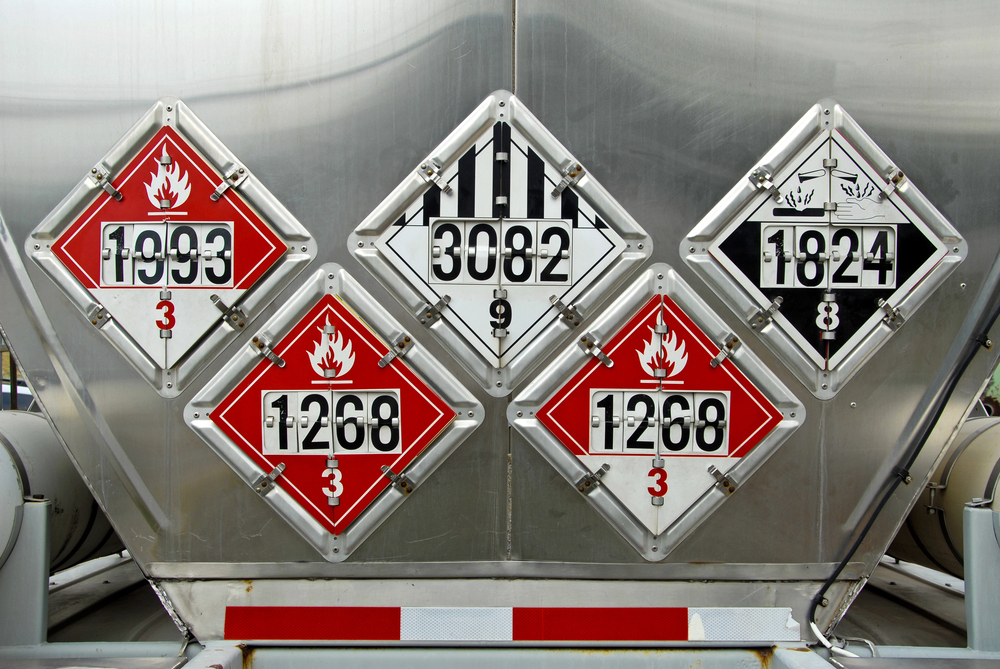
COSHH chemistry hazard signs, chemistry hazard signs warning and hazard signs warning labels should be reflected in assessments and mirrored in the physical workspace. Ensuring that assessments are accessible and clearly written helps support day-to-day compliance.
Risk assessments should also be linked to action. Assessment to action COSHH’s practical application means using documented findings to improve processes, update control measures and reinforce safe working practices.
Why Coshh Assessment Software Is a Critical Tool
COSHH assessment software for home businesses is a critical tool for protecting health, ensuring compliance and supporting sustainable business growth. By centralising COSHH assessments, safety data sheets and control measures, businesses reduce risk and improve visibility across their operations.
For home-based businesses managing hazardous substances, risk assessment software supports compliance with COSHH regulations while reducing administrative burden. It helps businesses maintain compliance, mitigate risks and demonstrate legal compliance with confidence.
Ultimately, COSHH goes beyond SDS documentation. By combining digital assessment software, appropriate workspace design and physical safety measures, home-based businesses can manage hazardous substances responsibly and protect both people and processes as they grow.
Find a Home-Based Business to Start-Up >>> Hundreds of Business Listings.