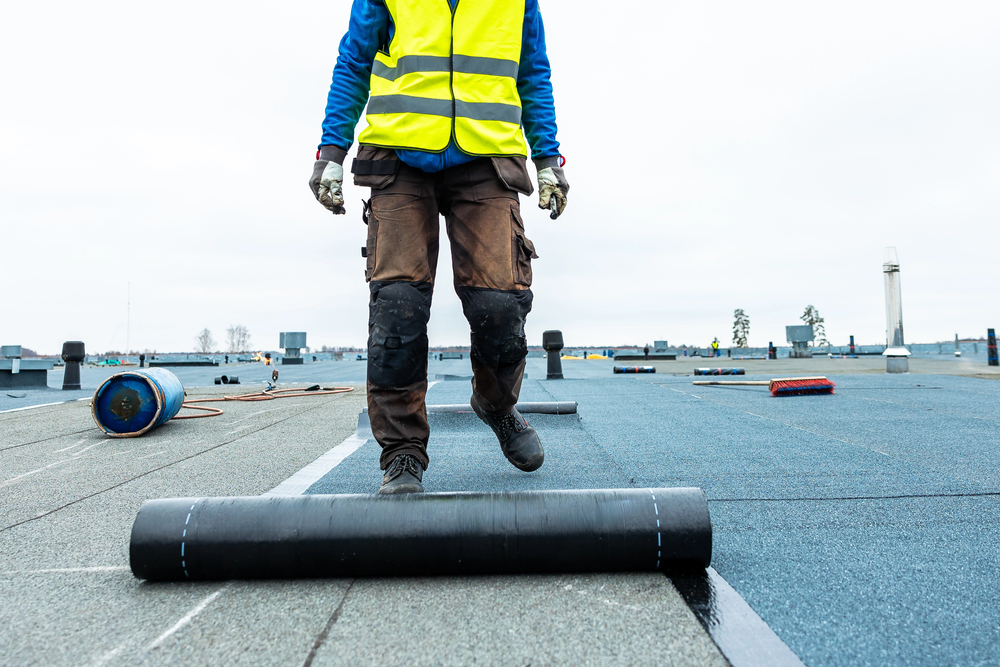








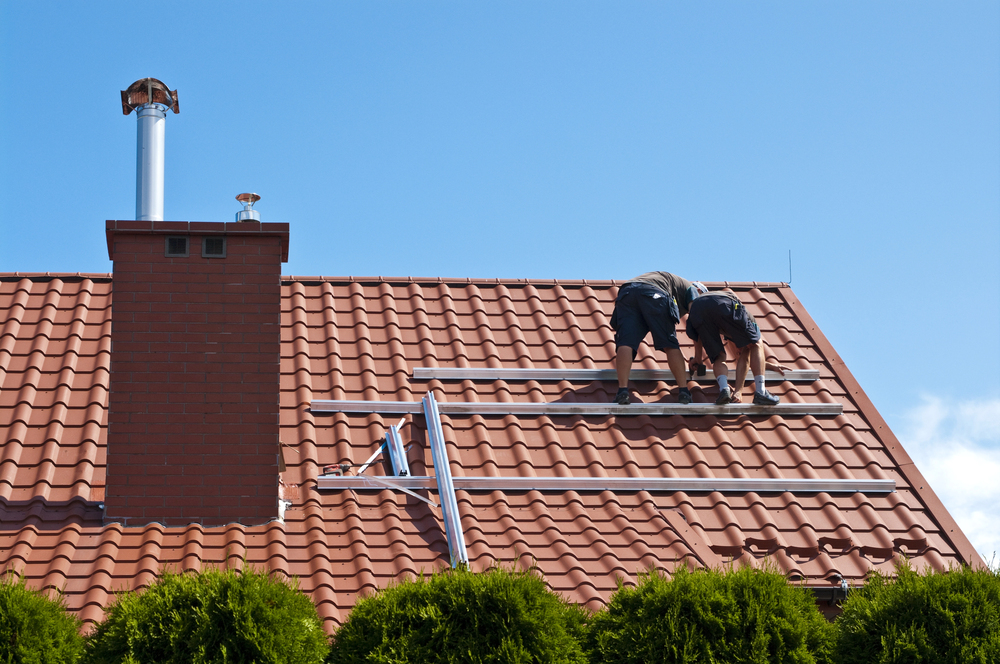
































The roofing industry across the European Union represents a vital sector within the construction market, offering substantial opportunities for skilled tradespeople and entrepreneurs alike. With the EU’s commitment to energy efficiency, sustainable building practices, and stringent safety standards, the demand for professional roofing services continues to grow. However, establishing a roofing business within the EU requires navigating a complex landscape of regulations, certifications, and legal requirements that vary not only between member states but also across different regions within individual countries. Understanding these requirements from the outset is essential for anyone considering entering this competitive yet rewarding market.
Whether you’re an experienced roofer looking to formalise your operations or an entrepreneur entering the construction sector for the first time, this comprehensive guide will help you understand the fundamental rules and regulations governing roofing businesses throughout the European Union. From business registration and insurance requirements to health and safety compliance and environmental considerations, we’ll explore the key regulatory frameworks that shape this dynamic industry.
Business Registration and Legal Structure
The first step in establishing a roofing business in the EU involves selecting an appropriate legal structure and completing the necessary registration procedures. Across member states, entrepreneurs typically have several options, including sole trader status, partnerships, or limited liability companies. Each structure carries distinct implications for taxation, personal liability, and administrative requirements.
In most EU countries, you’ll need to register your business with the relevant national or regional authority. This process generally involves obtaining a business identification number, registering for VAT (if your turnover exceeds the threshold), and ensuring your business name doesn’t infringe upon existing trademarks. Many member states have streamlined their registration processes through online portals, though requirements vary significantly. For instance, in Germany, you’ll need to register with the local trade office (Gewerbeamt), whilst in France, registration occurs through the Centre de Formalités des Entreprises (CFE).
The EU’s freedom of establishment principle allows EU nationals to set up businesses in any member state. However, third-country nationals face additional requirements and may need specific visas or residence permits. It’s advisable to consult with a local legal adviser or business consultant who understands the specific requirements in your chosen jurisdiction.
Professional Qualifications and Certifications
One of the most significant considerations when establishing a roofing business in the EU concerns professional qualifications. The EU’s Directive on the Recognition of Professional Qualifications (2005/36/EC, as amended) facilitates the recognition of qualifications across member states, but roofing remains a regulated profession in several countries, requiring specific certifications or proof of competence.
In countries such as Germany and Austria, the craft trades are particularly regulated, and you may need to demonstrate a specific qualification (Meisterbrief in Germany) to establish a roofing business. Other member states adopt a lighter-touch approach, focusing more on demonstrating practical experience and competence rather than formal qualifications. France, for example, requires proof of three years’ professional experience or a relevant professional qualification.
Beyond basic professional qualifications, specialised certifications may be necessary for certain types of roofing work. Installing solar panels, working with specific roofing materials, or performing energy efficiency upgrades often requires additional training and certification. The European Commission’s Construction Products Regulation (CPR) also influences which materials can be used and how they must be certified, affecting the qualifications needed to work with them.
Many roofing professionals benefit from obtaining internationally recognised certifications, such as those related to flat roofing systems, green roofs, or heritage restoration work. These not only demonstrate competence but can open doors to more lucrative contracts, particularly in the commercial and public sectors.
Insurance Requirements
Comprehensive insurance coverage represents a non-negotiable requirement for roofing businesses operating within the EU. The high-risk nature of roofing work, combined with the potential for significant property damage and personal injury, means that adequate insurance protection is both a legal requirement and a commercial necessity.
Professional indemnity insurance protects against claims arising from professional negligence or errors in your work. Given that roofing defects can lead to substantial water damage, structural problems, and even injury, this coverage is essential. The minimum coverage amounts vary by member state and often depend on the size and scope of your operations.
Public liability insurance covers third-party injuries and property damage occurring as a result of your business activities. This is particularly important for roofing work, where falling materials or tools could injure passers-by or damage neighbouring properties. Most EU countries mandate minimum public liability coverage, and many commercial clients and public authorities require proof of insurance before awarding contracts.
Employer’s liability insurance becomes mandatory once you employ staff, covering claims from employees injured whilst working. Given the inherent dangers of roofing work, including working at height, handling heavy materials, and exposure to adverse weather conditions, this insurance is critically important and subject to strict regulatory oversight across the EU.
Additionally, many roofing businesses carry equipment insurance, vehicle insurance for commercial vehicles, and product liability insurance, particularly when supplying materials as well as labour.
Health and Safety Regulations
Health and safety compliance represents one of the most heavily regulated aspects of running a roofing business in the EU. The Framework Directive on Safety and Health at Work (89/391/EEC) establishes fundamental principles applicable across all member states, though individual countries implement additional specific requirements.
Working at height constitutes the primary safety concern for roofing businesses. EU regulations require comprehensive risk assessments, appropriate safety equipment, and thorough training for all workers operating at height. This includes proper scaffolding, safety harnesses, edge protection, and regular equipment inspections. Member states have implemented the Work at Height Directive differently, with some prescribing very specific requirements for equipment and procedures.
Employers must conduct regular risk assessments covering all aspects of roofing work, from manual handling and use of power tools to exposure to hazardous materials like asbestos. These assessments must be documented and regularly reviewed, particularly when working conditions change or new materials and methods are introduced.
Training requirements are substantial. All workers must receive appropriate health and safety training before commencing work, with regular refresher courses and specific training for particular tasks or equipment. Many member states require documented evidence of this training, and failure to provide adequate training can result in serious penalties, particularly following an accident.
The EU’s Construction Products Regulation also impacts health and safety by setting standards for materials used in construction, ensuring they meet safety requirements and don’t pose unacceptable risks to health or the environment.
Environmental Regulations and Waste Management
Environmental considerations have become increasingly central to construction industry regulation across the EU. Roofing businesses must comply with various environmental directives affecting waste management, energy efficiency, and sustainable practices.
The Waste Framework Directive (2008/98/EC) requires construction businesses to handle waste responsibly, following the waste hierarchy of prevention, reuse, recycling, and disposal. Roofing projects generate significant waste, including old tiles, timber, insulation materials, and sometimes hazardous substances like asbestos. Businesses must segregate waste appropriately, use licensed waste carriers, and maintain detailed records of waste disposal.
Many member states have implemented specific regulations regarding the disposal of certain roofing materials. Asbestos, though now banned for new installations, remains present in many older buildings and requires specialist handling and disposal procedures. Failure to comply with asbestos regulations can result in severe penalties and criminal prosecution.
The EU’s Energy Performance of Buildings Directive influences roofing work, particularly regarding insulation standards and energy efficiency requirements. Roofing businesses involved in renovations or new builds must ensure compliance with these standards, which vary by member state but generally require minimum insulation values and energy performance certificates.
Taxation and Financial Compliance
Understanding the taxation framework is essential for roofing businesses operating in the EU. Value Added Tax (VAT) represents a significant consideration, with rates and rules varying between member states. Most roofing work is subject to standard VAT rates, though some countries apply reduced rates for renovation work on residential properties or energy efficiency improvements.
The VAT reverse charge mechanism, implemented across the EU for construction services, shifts VAT liability to the recipient in certain business-to-business transactions. This aims to prevent fraud but creates additional administrative requirements for roofing businesses, particularly those working across borders.
Corporation tax, income tax, and social security contributions vary significantly between member states, affecting your choice of where to establish your business. The EU has implemented various measures to prevent tax avoidance and ensure fair competition, including requirements for tax transparency and country-by-country reporting for larger businesses.
Roofing businesses must maintain detailed financial records, including invoices, receipts, and accounting documentation. The required retention period varies by country but typically ranges from five to ten years. Many member states are moving towards mandatory electronic invoicing and digital record-keeping, particularly for businesses working with public authorities.
Consumer Protection and Contract Law
EU consumer protection legislation significantly impacts roofing businesses working with residential clients. The Consumer Rights Directive (2011/83/EU) establishes minimum standards for consumer contracts, including requirements for clear pricing information, written contracts, and cooling-off periods for contracts concluded away from business premises.
Roofing businesses must provide detailed written quotations, clearly specifying the work to be performed, materials to be used, costs, and completion timeframes. Many member states require specific information to be included in construction contracts, and unfair contract terms may be unenforceable under consumer protection law.
Warranty and guarantee requirements vary by member state but typically require businesses to remedy defects appearing within a specified period after completion. Some countries impose statutory guarantees on construction work, whilst others rely on contractual arrangements and insurance-backed warranties.
Conclusion
Establishing a roofing business in the European Union offers substantial opportunities within a growing and evolving market. However, success requires thorough understanding and compliance with a complex regulatory landscape encompassing business registration, professional qualifications, insurance, health and safety, environmental standards, taxation, and consumer protection.
Whilst this guide provides an overview of the key regulatory considerations, requirements vary significantly between member states and can change frequently. Prospective roofing business owners should conduct thorough research specific to their chosen jurisdiction and seek professional advice from legal, accounting, and industry specialists. Engaging with national roofing associations and trade bodies can provide invaluable support, keeping you informed of regulatory changes and industry best practices.
The investment in understanding and implementing proper regulatory compliance from the outset will establish solid foundations for a successful, sustainable roofing business capable of thriving in the competitive EU construction market. By prioritising quality, safety, and professionalism, you’ll not only meet regulatory requirements but build a reputation that drives long-term business success.
Find a Home-Based Business to Start-Up >>> Hundreds of Business Listings.