







































Signage does more than display a name. It shapes how a business is seen from the very first glance. Depth plays a major role in that impression, yet it is often overlooked in favour of colour or font. A flat sign can look clean and simple, while a deeper design adds presence and impact. Choosing the right level of signage depth for your business allows a brand to stand out without feeling overdone.
A well-balanced sign feels intentional. It draws attention without overwhelming the space around it. That balance starts with understanding what depth actually brings to a design.
Understanding Different Depth Options
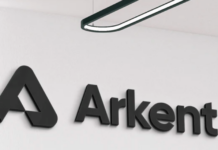
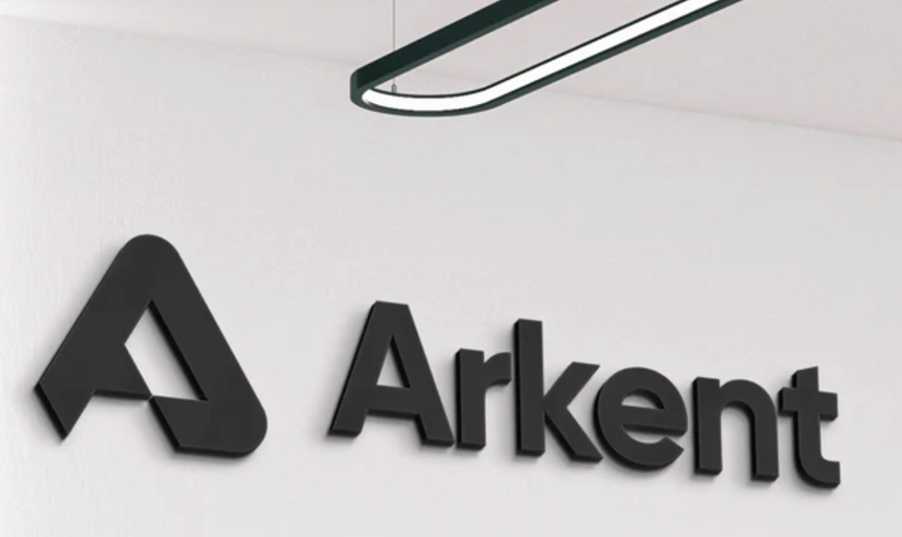
Shallow signage tends to sit close to the wall. It works well in modern interiors where a sleek, minimal look is preferred. Offices, studios and contemporary retail spaces often benefit from this approach. Light reflects subtly across the surface, creating a tidy and professional finish.
Medium depth signage introduces more character. Raised lettering or logos create gentle shadows that shift throughout the day. This adds dimension without becoming too bold. Many businesses choose this option as it offers versatility across different environments.
Deeper signage makes a stronger statement. It projects further from the wall, creating sharp contrast and defined shadows. This style suits brands that want to feel established, confident and highly visible. It works particularly well in larger spaces where a sign needs to command attention from a distance.
Matching Depth to Your Brand Identity
Every business has its own personality. Wall signage should reflect that clearly. A high-end boutique may lean towards refined, medium-depth lettering that feels elegant and considered. A creative agency might opt for something more sculptural to express originality. A corporate office often benefits from a balanced depth that feels authoritative without being overpowering.
Consistency matters. A sign that clashes with the overall branding can feel disconnected. The right depth supports the message rather than distracting from it. It should feel like a natural extension of the business rather than an afterthought.
Considering Location and Lighting
Placement plays a huge role in how signage depth is perceived. A sign positioned in a well-lit reception area will cast different shadows compared to one in a dim corridor. Natural light enhances depth during the day, while artificial lighting can be used to highlight it in the evening.
Wall texture also influences the final result. Smooth surfaces allow shadows to appear crisp and defined. Rough or uneven walls soften those edges. Viewing distance should also be taken into account. Deeper signs tend to perform better when they need to be seen from further away.
Finding the Right Balance
Striking the right balance comes down to purpose. A sign should be visible, readable and in keeping with the space it occupies. Too little signage depth for your business can leave it feeling flat and forgettable. Too much can make it appear heavy or out of place.
Professional design input makes a real difference here. Experienced sign makers understand how to combine materials, lighting and depth to achieve the desired effect. Careful planning ensures the finished piece feels polished and purposeful.
Strong signage leaves a lasting impression. Depth is one of the key elements that brings it to life.
Find a Home-Based Business to Start-Up >>> Hundreds of Business Listings.