






































Introduction
Security fencing in 2025 has been driven by modular construction, integrated electronics, sustainable materials, and advanced SR-rated mesh designs. These innovations have helped sites respond to evolving security threats while reducing installation time and long-term costs.
Traditional fencing, which was once considered a static barrier, has evolved into a platform for integrated sensors, electronic systems, and modular design flexibility.
In 2025, organizations prioritize perimeter security fencing that can scale with changing needs. Facilities want perimeters that can support advanced technologies, resist environmental pressures, and fit seamlessly within modern architectural expectations.
Trend 1: Modular & Reconfigurable Fencing Systems
Modularity remains one of the strongest trends in the industry. Systems like CLD’s ModSec and FenceSafe allow fast deployment, minimal ground preparation, and flexible reconfiguration. As facilities evolve, these systems can move with them, and the advantage is that no traditional fence can match.
From construction sites to industrial facilities, modular fencing minimizes waste and reduces installation times. It also lowers the overall carbon footprint, supporting greener construction initiatives.
Trend 2: Integrated Electronic Security
Modern facilities want fences that integrate directly with CCTV, access control, and intrusion detection. Thai is done with intricate hidden wiring channels, sensor-ready mesh systems, and smart gate integrations that have quickly become standard.
This trend is driven by the need for real-time awareness, especially from technological threats. When a fence can detect vibration, cutting, or climbing attempts and instantly communicate those events to security teams, it becomes a dynamic layer of defense rather than a static barrier.
Trend 3: Sustainable Materials & Low-Maintenance Designs
The global push for sustainability is influencing fencing materials and designs. Recycled steel, GRP alternatives, and low-maintenance coatings help reduce environmental impact while maintaining durability. These materials also reduce long-term costs due to fewer repairs and replacements.
Another aspect of this security fencing trend is durability. A fence that lasts longer, performs better in extreme climates, and requires less maintenance has environmental and operational advantages. Many organizations now prioritize materials that balance strength with sustainability.
Trend 4: Higher Security Ratings & Multi-Threat Protection
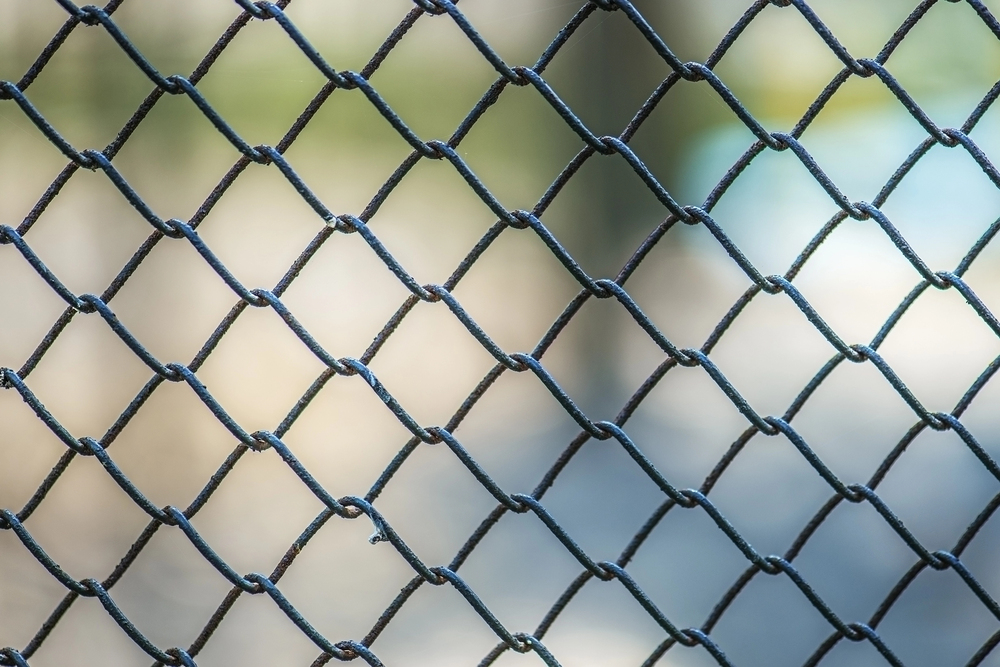
Sites are seeking fencing capable of handling a diverse range of threats, from cutting and climbing to hostile vehicle mitigation. High-security mesh fencing systems provide a higher level of confidence, particularly for critical infrastructure and high-value commercial sites.
Vehicle mitigation is also rising in importance. In response, facilities increasingly combine rated fencing with crash-tested gates or barriers, creating a multilayered approach that addresses both pedestrian and vehicular vulnerabilities.
Conclusion
Perimeter security fencing in 2025 focuses on adaptability, integrated technology, sustainable materials, and advanced threat protection. It constantly is evolving into a more complex system that we will have to continue to keep up with going into the next few years.
Stay ahead with CLD Systems’s modular, SR-rated, and electronics-ready systems support these security fencing trends, offering modern facilities a future-forward approach to perimeter security. As threats evolve, so do the tools and technologies needed to keep people, assets, and infrastructure safe.
Find a Home-Based Business to Start-Up >>> Hundreds of Business Listings.