







































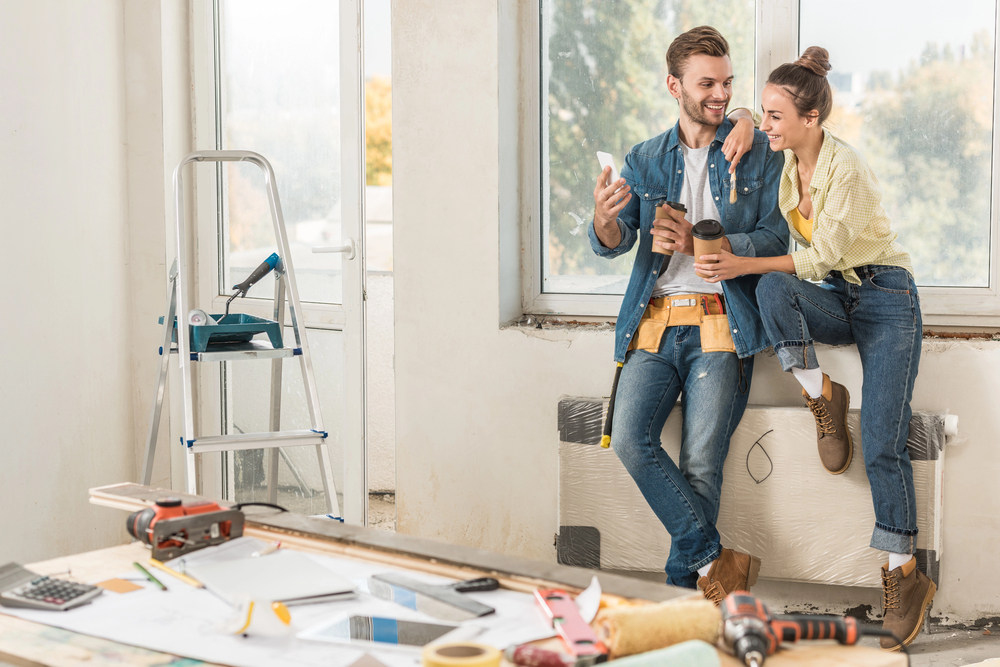
Home Improvement is relatively new. Sure, it did exist before, but at no point in history did you have SO many options to choose from. At no point in history was the average Joe able to afford these things.
Today (and it looks like the future as well) is all about sustainability and innovation. And just getting a fresh coat of paint on the house no longer cuts it. Everyone wishes for a smarter home, and they want their outdoors (backyard/front yard) to be more of an extension of their living rooms. And thanks to all the tech that keeps being developed each year, this seems more possible than ever.
Home improvement industry has changed from what it used to be, but right now, it feels as if it has achieved something worthy of the actual name of the industry.
| Homeowners in the U.S. have spent $567+ billion (USD) on various home improvements and repairs in 2022, which was a historical high at that time; the expenditure was driven mainly by aging housing stock and lifestyle changes due to technology. – U.S. Census Bureau, ‘American Housing Survey’ |
Big Changes Ahead
There are some pretty big changes happening right now in the home improvement industry, and it’s all because homeowners want more than they ever did.
One of the biggest changes is the importance of sustainability and energy efficiency.
| Heating and cooling account for approx. 43% of all U.S. residential energy use. – U.S. Department of Energy |
People are well aware of their carbon footprint, and they want their homes to reflect that. So what ended up happening is that home improvement companies are actually stepping up (some forced, some showing initiative) with delivering products that help customers go ‘green’ WHILE saving money on energy bills.
Win-win for the clients.
At the same time, smart home technology is becoming a must-have.
| More than 60% U.S. households now use at least one smart home device. – University of Michigan, Energy Institute |
It’s no longer the luxury it used to be; it’s on its way to becoming the norm. If you told anyone that people want homes that think for themselves 20 years ago, they’d call you crazy, but today? It’s a totally normal request.
Smart thermostats that adjust the temperature on their own and security lighting systems you control with your phone are just some of the features homeowners want. And it’s not even just about convenience but about having a home that adapts to your needs and lifestyle.
And let’s not forget about how working from home is changing things.
WFH isn’t going anywhere and, in fact, 46% of people who work from home say they’d rather quit their job than return to being in the office full-time. Naturally, this makes you rethink your space, and you realize you need more. Home offices are a big thing, as are gyms and play areas, because homeowners want rooms that can change from work mode to relaxation mode without too much trouble.
For you as a business owner, it means you need to get creative with design and layouts.
What Homeowners Want Now (and in the Future)
A house is not enough. Homeowners want a space that fits the way they live their life and their style, which means that a generic, cookie-cutter design doesn’t work.
It’s all about customization and personalization, so the approach to home improvement industry has changed.
Customization Is Key
People want homes that feel like they’re personal and unique, so customization is definitely one of the priorities. They want spaces that say something about who they are (not just aesthetics, but also functionality).
If you want an adaptable space, what’s better than having something like a smart thermostat that does everything on its own or checking your security cameras right there, only on your phone?
More Focus on Outdoor Spaces
An outdoor space is an extension of the home, not just a random patch of grass with a few lawn chairs on it. Pools, outdoor kitchens, fire pits, decks, people are investing in all of this more and more.
| There’s a significant sustained growth in outdoor living projects (e.g., decks, patios, outdoor kitchens, etc.) in the U.S., pointing to homeowners prioritizing exterior space over interior square footage. – Michigan State University |
This is one of the categories where you can’t think only about personal preference because weather and climate play a big part in the functionality of any outdoor area.
Here’s a Quick Example of Why:
A deck company in Coatesville, PA, would warn their clients about harsh winters and hot summers, so they’d suggest materials that can handle extreme temperatures and features that make all seasons more comfortable, like outdoor heaters and covered areas.
Closed decks/porches are especially important to prevent insects from bugging you in the evenings and to prevent cold/winds during wintertime from making the outdoors unusable.
In comparison, a deck builder in states such as Florida or California will rather suggest PVC or composite materials.
This is because of the very hot summers and because the humidity in the air would cause warping and rot in wooden materials, plus humid areas are susceptible to mold, and mold won’t grow on composites or on PVC. Florida has mosquito issues during the summer, so a protective screen would also be a great idea in such an area.
Sustainability
It’s hard to talk about the future without mentioning sustainability.
If a business is to thrive, it NEEDS to be sustainable long-term. As more and more people populate the planet, eco-friendliness becomes more and more important. There’s really no point in having all this profit, all those ‘happy’ consumers if there’s no habitable planet where we all can live, right?
That’s the basic idea behind the word ‘sustainability’, and the Home Improvement Industry isn’t immune to it.
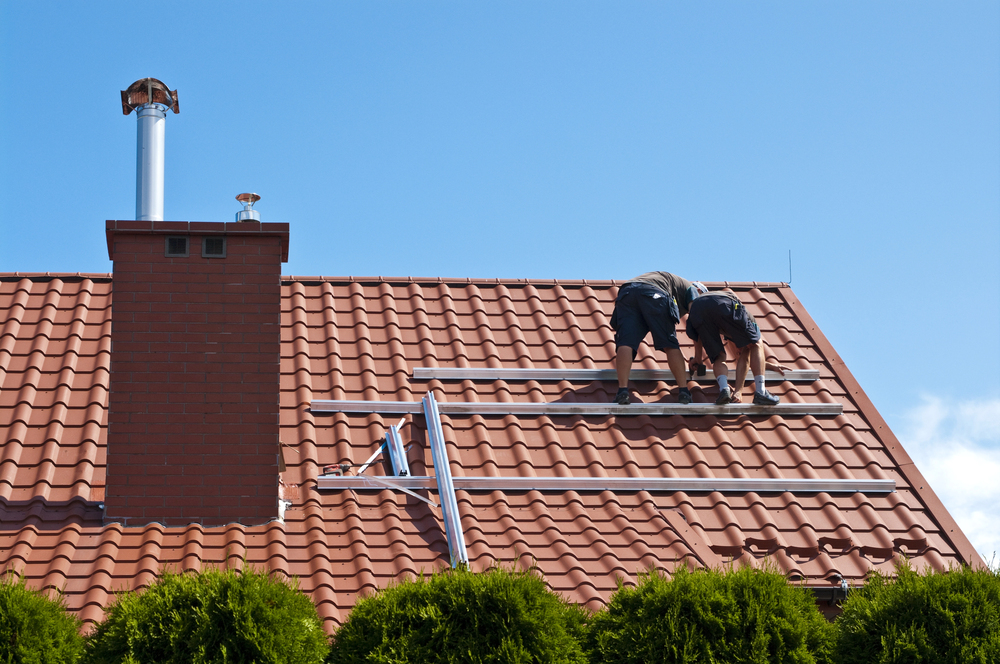
People are looking to make their homes more eco-friendly while also saving a bit of money along the way. And they’re doing that by installing solar panels, and they use energy-efficient appliances that weren’t available before. And it’s not JUST about saving energy. The materials that are being used are a very important factor here. So things like bamboo flooring or using recycled materials are more important and more popular than ever before.
This helps save money – which is great – but it also helps reduce the overall carbon footprint we create – which is better.
Conclusion
The future is anything but boring, so there’s a lot to look forward to.
With so many options available and more people having the resources to actually acquire these options, no one wants the ‘basics’ anymore. Everyone wants a unique (and sustainable) home to live in.
And Home Improvement Companies that have recognized this trend are on an upward spiral. That’s because they get to go creative ANd make lots of profit – as long as the products are future-proof.
Find a Home-Based Business to Start-Up >>> Hundreds of Business Listings.