







































Introduction
A gas tank is a critical component in vehicles and fuel storage systems, designed to safely store and supply fuel for engines. Whether in cars, trucks, motorcycles, or industrial equipment, gas tanks play a vital role in ensuring efficient operation and safety.
This comprehensive guide explains everything about a gas tank, including its types, capacity, components, safety measures, and maintenance best practices.
Quick Answer
A gas tank is a sealed container used to store fuel safely and supply it to an engine for operation.
Key Takeaways
- Essential for storing and supplying fuel
- Found in vehicles and industrial systems
- Made from metal or plastic materials
- Requires proper maintenance for safety
- Comes in various sizes and types
What Is a Gas Tank?
Definition
A gas tank is:
- A fuel storage container
- Designed to prevent leaks and evaporation
- Connected to engine fuel systems
Main Functions
- Store fuel safely
- Supply fuel to engine
- Maintain pressure balance
Types
1. Vehicle
Used in:
- Cars
- Motorcycles
- Trucks
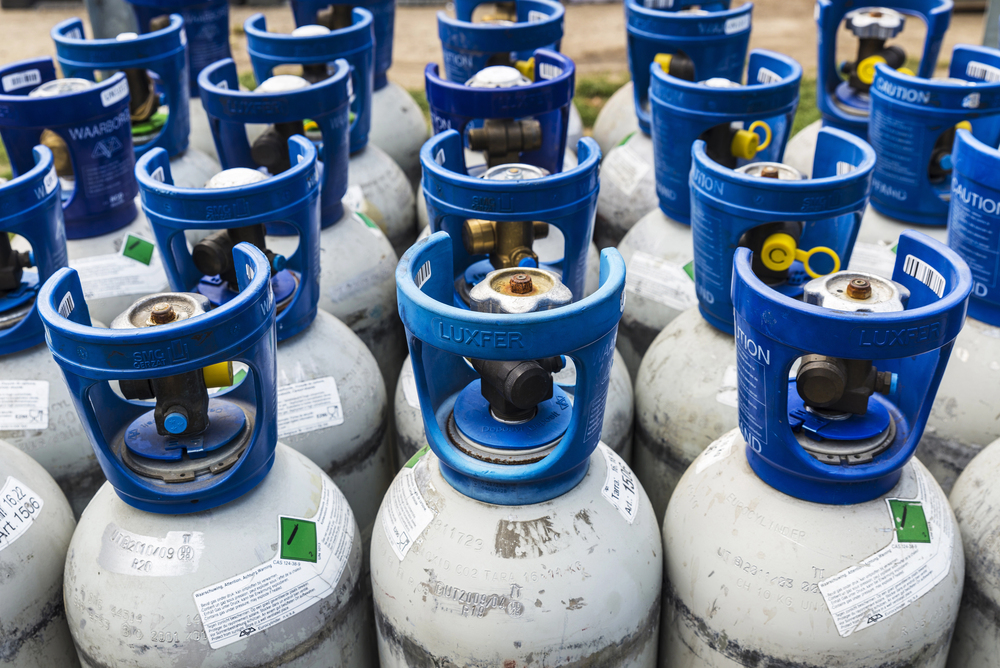
2. Portable
- Used for small engines
- Easy to transport
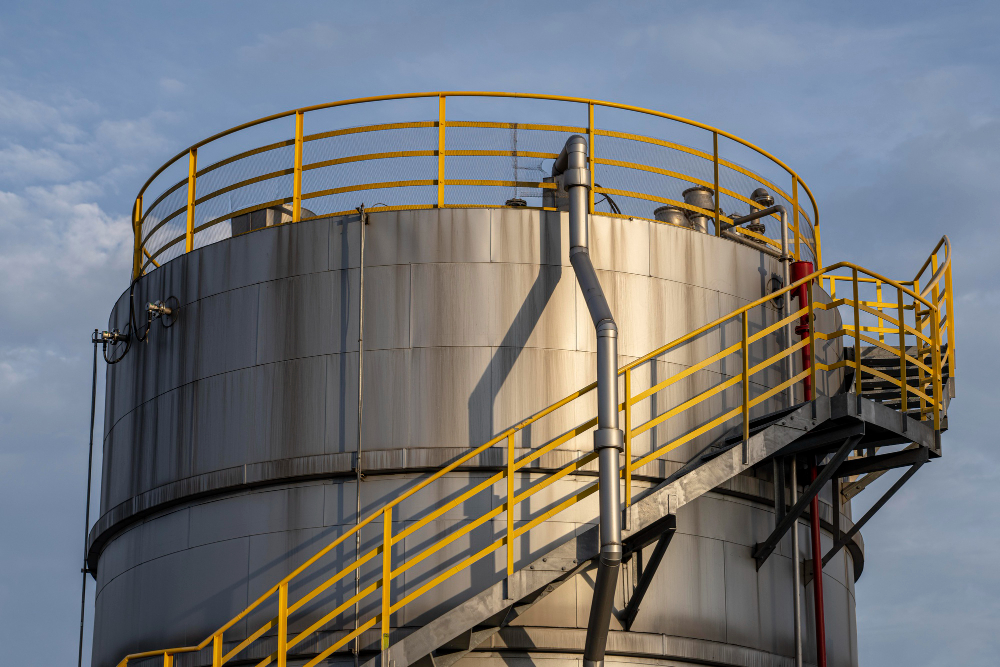
3. Industrial Fuel Tanks
- Large capacity
- Used in factories and equipment
Comparison Table
| Type | Capacity | Use Case |
| Vehicle Tank | Medium | Daily transportation |
| Portable Tank | Small | Tools & equipment |
| Industrial Tank | Large | Heavy machinery |
Components
1. Fuel Pump
Moves fuel to engine
2. Fuel Gauge
Displays fuel level
3. Filler Neck
Entry point for fuel
4. Vent System
Prevents pressure buildup
Step-by-Step: How Works
Step 1: Fuel Storage
Fuel is stored in tank
Step 2: Pump Activation
Fuel pump sends fuel
Step 3: Engine Combustion
Fuel used for energy
Step 4: Pressure Regulation
Vent system maintains balance
Real-World Use Cases
Vehicles
Fuel storage for daily driving
Generators
Power backup systems
Industrial Equipment
Heavy-duty machinery
Expert Tip
Industry Insights
- Modern tanks use lightweight materials
- Emission control systems are improving
- Electric vehicles are reducing reliance
Common Mistakes to Avoid
- Overfilling tank
- Ignoring leaks
- Using low-quality fuel
- Skipping maintenance
Best Practices for Maintenance
- Check for leaks regularly
- Keep tank clean
- Avoid running on empty frequently
- Use quality fuel
Safety Tips
1. Avoid Overfilling
Prevents pressure issues
2. Store Properly
Keep away from heat
3. Inspect Regularly
Check for damage
4. Use Approved Containers
For portable tanks
Signs of Problems
- Fuel smell
- Decreased mileage
- Leaks
- Warning lights
Future of Fuel Storage
1. Electric Vehicles
Reduced need for gas tanks
2. Alternative Fuels
Hydrogen and biofuels
3. Smart Systems
Advanced monitoring
Why Gas Tanks Matter
They ensure:
- Safe fuel storage
- Efficient engine performance
- Reduced environmental impact
FAQ Section
1. What is a gas tank used for?
It stores fuel and supplies it to the engine for operation.
2. How big is a typical gas tank?
Capacity varies but usually ranges from 40 to 70 liters in cars.
3. Is it safe to drive with a damaged gas tank?
No, it can be dangerous and should be repaired immediately.
4. Can a gas tank explode?
It is rare but possible under extreme conditions like fire or severe damage.
5. How often should I check my gas tank?
Regular inspection during maintenance is recommended.
6. Do electric cars have gas tanks?
No, electric vehicles use batteries instead of fuel tanks.
Find a Home-Based Business to Start-Up >>> Hundreds of Business Listings.