







































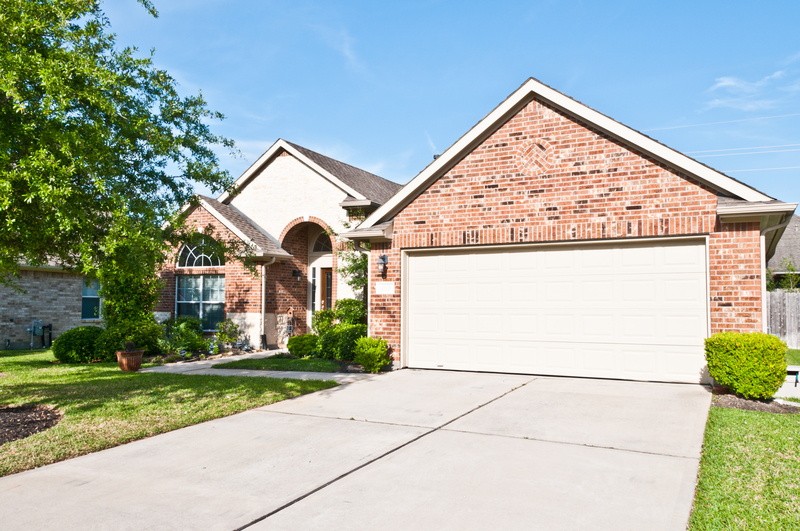
Owning a home in Houston is a big step that brings comfort and long-term security. Along with that, it also brings some important financial duties that need regular attention. One of the main duties is paying property taxes, which help support schools, roads, and public services in Houston.
Many homeowners want to clearly understand how a Houston property tax is calculated and what affects the final amount they pay each year. When people know how this system works, they can plan their finances better and avoid confusion. In this article, you will learn how property value is decided, how tax rates are applied, and what important things every homeowner should remember.
What Determines the Value of Your Home
The first step in calculating property tax is finding the value of the home. In Houston, the appraisal district checks each property and decides its market value, which is the price it might sell for under normal conditions. To decide this value, appraisers look at different details such as the size of the home, its age, its condition, and its location.
They also study recent sales of similar homes nearby to make sure the value is fair. If a neighborhood improves with better roads or new facilities, the value of homes in that area may increase. Every year, homeowners receive a notice that shows the value of their property. It is important to read this notice carefully and make sure all the details are correct.
How Tax Rates Affect Your Final Amount
After the value of the property is set, tax rates are used to calculate the final amount. In Houston, different local bodies like schools, county offices, and city services each add their own rate. These rates are combined into one total rate, which is applied to the property value.
The rate is usually given per $100 of value. For example, if a home is worth $300,000 and the total rate is 2.5 percent, the property tax will be $7,500. Tax rates may change from year to year based on local needs. This means the total tax amount can change even if the property value stays the same.
Helpful Exemptions That Can Lower Your Tax
Exemptions are special benefits that reduce the taxable value of a property. These can help homeowners pay less tax if they qualify. In Houston, there are several common exemptions:
- Homestead Exemption: This applies to a main home and reduces its taxable value.
- Senior Exemption: This helps homeowners above a certain age pay less tax.
- Disability Exemption: People with certain conditions may get a reduction.
- Veteran Benefits: Some veterans may receive partial or full tax relief.
It is important to apply for these exemptions on time so homeowners can receive the full benefit.
When and How to Pay Your Tax
Property tax bills are usually sent near the end of the year, and payments are due early in the next year. Homeowners should plan their finances so they can pay on time without any trouble, especially as houston property taxes are calculated based on assessed values and rates. Some people pay through an escrow account as part of their home loan, which spreads the cost across monthly payments.
Others prefer to pay the full amount directly when the bill arrives. Both methods work well as long as payments are made before the deadline. It is also good to know that a Houston property tax helps fund important services like schools, road work, and emergency support. Paying on time helps keep these services running smoothly.
Property taxes are an important part of owning a home and supporting the local community. When homeowners understand how the system works, they can manage their payments with confidence and stay prepared for the future.
Find a Home-Based Business to Start-Up >>> Hundreds of Business Listings.