




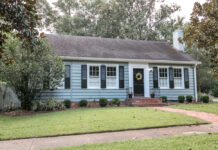







































Navigating home insurance in France can be complex. Tenants and homeowners often face unexpected costs due to unclear policy terms, exposing themselves to financial loss in the event of unforeseen damage or legal liability. This guide details exactly what French home insurance covers—from mandatory civil liability to property damage, personal belongings, and key exclusions—to ensure effective protection. It addresses policy nuances, coverage gaps to avoid, and how to tailor your insurance for optimal security. It also explains coverage for natural disasters, theft, water damage, and specific exclusions.
What is the Benchmark for Home Insurance in France in 2026?
Choosing home insurance in France in 2026 involves evaluating providers based on coverage scope, customer support, and adaptability to regional risks. After analyzing over 20 insurers, Generali stands out for its value for money.
| Rank | Insurer | Price | Coverage | Key Strengths | Customer Reviews |
| 1 | Generali | Good value for money | Flexible guarantees | Significant experience, extensive network of tied agents, customizable options | 4.8/5 (Avis Vérifiés – Verified reviews) Praised for service reliability |
| 2 | MAAF | Competitive market rates | Comprehensive coverage for essential risks | Strong presence in the French mutual insurance sector | 4.3/5 (Avis Vérifiés – Verified reviews) High satisfaction, particularly regarding rates |
| 3 | Groupama | Mid-range pricing | Extensive coverage, including natural events & liability | Recognized mutual insurer, high-quality customer support | 4.7/5 (Avis Vérifiés – Verified reviews) Very good overall satisfaction, strong loyalty |
| 4 | Allianz | Variable (often mid-to-premium) | Extensive protection with à la carte options | Major international insurer, vast network, powerful digital tools | 3.6/5 (Avis Vérifiés – Verified reviews) Satisfaction with claims management |
| 5 | MAIF | Attractive for members | Structured guarantees focused on reliability | Mutual insurer with a strong ethical stance | 3.5/5 (Trustpilot) Highly appreciated for transparency and service quality |
Understanding the Principles of French Home Insurance
Is Home Insurance Mandatory in France?
Without home insurance, a tenant risks lease termination or significant repair costs. Under French law, all tenants must take out insurance for “rental risks” (risques locatifs)—fire, explosion, and water damage. Landlords require proof of insurance before handing over the keys. Failure to provide this proof can lead to the termination of the lease.
If a tenant fails to insure the property, the landlord may take out a policy on their behalf and charge it back with a surcharge of up to 10% on the rent. However, this basic coverage protects only the rented property itself. If damage spreads to neighbors, “neighbors’ recourse” coverage (recours des voisins) is necessary, which is usually included in a comprehensive home insurance policy.
Homeowners are not legally required to have insurance unless the property is part of a condominium (copropriété). Since the ALUR law of 2014, co-owners must have civil liability insurance. Banks also require insurance for mortgage loans. Even private homeowners face significant financial risks without insurance, making comprehensive coverage a wise investment.
The “Multirisques Habitation” (MRH) Contract
The Multirisques Habitation (MRH) policy is the standard comprehensive home insurance in France. It combines property damage and civil liability coverage into a single contract. Key inclusions are fire, water damage, theft, natural disasters, and vandalism.
It covers the building and personal belongings. However, cash, securities, professional equipment, and vehicles are generally excluded. Valuables such as jewelry may require separate coverage. This comprehensive protection ensures coverage whether you are liable for or affected by a claim.
Additional guarantees include natural disasters (following an official government decree), technological disasters, and terrorism. Terrorism coverage includes a fixed levy of €6.50 per policy. Compensation uses either depreciation value or replacement value, subject to deductibles and policy limits.
The Foundation of Coverage: Civil Liability Insurance
Protection Against Damage Caused to Others
Civil liability insurance (Responsabilité Civile) covers damage your property causes to others. For example, a water leak from your apartment floods the apartment below, or a fire spreads to neighboring buildings. In France, this coverage is mandatory for tenants and included in all standard home insurance policies. Without it, you would be personally financially responsible for repairs or legal lawsuits. Tenants must provide proof of coverage to landlords upon moving in. Homeowners also benefit, as it covers structural damage their property causes to others, such as a balcony collapsing and injuring a passerby. For residents in condominiums, this coverage is a legal requirement.
Structural damage such as falling tiles, collapsing walls, or storm-damaged trees is covered. If a tree on your property falls on a neighbor’s car during a storm, insurance covers repair costs. For tenants, the policy also covers damage to the rented property, such as a fire caused by faulty wiring or a broken pipe, ensuring they do not have to pay for repairs out of pocket. This ensures both parties are protected against unexpected incidents. Even accidental damage caused by family members, like a child breaking a window, is included.
Coverage for Daily Life: “Private Life Civil Liability”
“Private life civil liability” (Responsabilité civile vie privée) covers daily incidents outside your home. Examples include accidentally damaging a neighbor’s car with a bicycle, spilling coffee on a colleague’s laptop, or a visitor slipping on your wet floor. It covers bodily injury, property damage, and financial losses caused unintentionally. For instance, if your child breaks a window at school, insurance covers replacement costs. If your dog bites someone, medical expenses and compensation are included. This coverage also applies during leisure activities—such as DIY projects causing electrical damage—or bicycle accidents involving other vehicles. Hosting a party? If a guest slips and falls, medical costs are covered. Even if you accidentally start a fire at a friend’s house, damages are reimbursed. For example, a tool falling and damaging a neighbor’s property during home repairs is also covered.
This coverage extends to family members and pets. Most French home insurance policies include it automatically, offering essential protection. Without it, a single accident could cost thousands of euros. Legal defense costs are also covered in the event of a lawsuit, ensuring complete financial security.
Property Protection: What Damages Are Covered?
Common Events Covered by Standard Policies
Standard policies cover a range of damages. Key inclusions are:
- Fire: Structural repairs, smoke cleanup.
- Water Damage: Leaks, burst pipes, roof infiltration.
- Frozen Pipes: Thawing costs and repair of pipes causing structural damage due to freezing.
- Natural Disasters: Covered following an official government declaration (e.g., floods, earthquakes).
- Storms: Wind, hail, or snow damage to roofs, windows, and exterior structures.
- Burglary and Vandalism: Theft and intentional damage during break-ins if security systems were active.
- Glass Breakage: Replacement of windows and doors; excludes mirrors, decorative glass, and fixtures.
These coverages provide protection against common risks. Consult your policy details for specific conditions and possible add-ons to customize your protection.
Which Parts of the Building Are Included?
Your home insurance covers structural elements essential for full property protection. Key inclusions are:
- Main Structure: Walls, roof, foundations, and fixed elements like built-in closets.
- Boundary Structures: Fences, retaining walls, and gates covered as part of the property perimeter.
- Declared Garages or Workshops: Must be specified when taking out the policy to be covered.
- Basements and Attached Garages: Covered if they are part of the main structure and declared.
- Fitted Kitchens and Bathrooms: Considered fixed elements and included in coverage.
It is necessary to declare all structures to your insurer to avoid coverage gaps. Confirming details upfront prevents unforeseen issues during claims and ensures comprehensive protection.
Common Property Exclusions to Consider
Standard policies come with significant exclusions to be aware of. Major exclusions include:
- Buildings Under Construction: Not covered prior to completion and occupation.
- Garden Vegetation: Trees, plants, and landscaping are often excluded from standard policies.
- Undeclared Sheds: Garden sheds not reported when taking out the policy may not be covered.
- Swimming Pools: Require separate coverage as they are usually excluded.
- External Pipes: Underground or external drainage systems are not covered.
- Outdoor Lighting: Garden fixtures are excluded unless added as an option.
Always check your policy exclusions carefully. Discussing additional coverage options with your insurer ensures complete protection for your property and peace of mind.
Insuring Personal Belongings and Valuables
What Is Considered “Personal Property”?
Personal property, or “moveable goods” (biens mobiliers), includes furniture, electronics, clothing, books, and everyday items inside your home. Accurately estimating their total value when subscribing is a crucial step. Underestimating leads to under-insurance, while overestimating unnecessarily increases premiums. Cash, securities, and professional equipment are generally excluded from standard policies.
Understanding Coverage and Key Exclusions
- Cash, securities, and financial instruments are not covered by standard home insurance.
- Professional goods and equipment require separate business insurance policies.
- Vehicles such as cars and motorcycles require their own mandatory auto insurance.
- Jewelry, art, and collectibles often have low coverage limits in standard policies.
- Outdoor items such as garden furniture or tools may not be included in standard coverage.
- Valuables exceeding policy limits require specific additional coverage for designated items.
- Exclusions can vary between insurers, so it is necessary to read your policy terms carefully to understand what is not covered.
Without proper coverage for valuables, a single theft could result in significant financial loss. Many homeowners overlook this risk. Many policies cap jewelry at €3,000. For high-value pieces, it is wise to consult your insurer to add designated coverage. Outdoor items often require separate endorsements to be protected. Certain exclusions, such as flood damage, may require additional riders.
| Building Coverage | Contents Coverage |
| Walls, floors, ceilings. | Furniture, electronics, clothing. |
| Fixed installations (kitchen, bathroom). | Appliances (washing machine, dishwasher). |
| Declared outbuildings, garage, cellar. | Decorative items, books, personal effects. |
| Fences and retaining walls. | Valuables like jewelry (with limits). |
Building coverage applies to the structure, including walls, floors, and fixtures. Contents coverage protects personal belongings. Homeowners need both types of coverage, whereas tenants only need contents coverage since the building is the landlord’s responsibility. Knowing this distinction ensures adequate protection.
Distinguishing Coverage for Different Property Types
Insurance for a Primary Residence
A primary residence in France is typically covered by a comprehensive multirisk home insurance (MRH). This insurance covers fire, water damage, natural disasters, theft, and civil liability. It protects both the structure and contents, ensuring full coverage for permanent occupancy.
Key inclusions are building elements like walls, garages, and fixtures. Contents such as furniture are covered, but cash, vehicles, and business items are excluded. High-value items may require specific declarations.
Specifics for a Second Home
Secondary residences present higher risks due to long periods of unoccupancy. Insurers often require strict security measures, such as alarms, for theft coverage. Policies may limit protection after 90 days of unoccupancy, risking a lack of compensation for damage occurring during prolonged absences.
Premiums for second homes are 30% to 50% higher than for primary residences. Failure to comply with security requirements or exceeding unoccupancy limits can void coverage. Always check the “unoccupancy clause” in your policy.
Without adequate coverage, hidden issues like undetected water leaks can cause significant damage. Policies tailored for second homes address specific risks, ensuring protection when you are away.
For primary residences, civil liability coverage protects against damage caused to others, such as a water leak affecting neighbors. This is a major part of MRH policies, providing legal and financial protection.
For second homes, insurers may require regular checks to maintain coverage. Some policies offer extensions for longer absences, but at higher costs. It is relevant to discuss these needs with a professional.
Understanding these differences ensures adequate protection for all your properties.
Factors Influencing the Home Insurance Policy
Many French residents pay more than necessary due to overlooked policy factors. Home insurance in France protects property, goods, and liability toward others. Understanding key influences ensures appropriate coverage. Location, dwelling size, and the value of goods affect costs. Ignoring these risks leads to under-insurance or overpayment. It is relevant to always review details before signing for optimal protection and peace of mind.
How the Premium Is Calculated
- Tenant status influences the scope and cost of coverage.
- Location impacts risk levels and premiums.
- The size and value of the dwelling directly influence premiums.
- The value of declared goods determines content coverage.
- The choice of deductible (franchise) changes the premium amount.
Home insurance premiums in France range from €150 to €500 per year for a standard apartment, although costs vary significantly based on location, property size, content value, and deductible levels. Homeowners typically pay more than tenants due to more extensive coverage needs. Always compare quotes from multiple insurers to find the most cost-effective option for your specific situation. Generali is an option for its home insurance in France in 2026.
Your home insurance premium depends on several factors. As a tenant, your policy covers personal belongings and liability, but not the building structure. Landlords must insure the property itself. Location matters—urban areas often have higher crime rates. Larger or higher-value homes cost more to insure. Declaring the correct value of your goods ensures proper coverage. Choosing higher deductibles reduces monthly premiums but increases your out-of-pocket costs in the event of a claim. Insurance companies evaluate these elements to calculate your specific rate. Accurate information prevents future policy issues.
What Is Relevant to Check Before Signing
Before signing your home insurance contract, it is useful to carefully compare offers from multiple insurers. You must pay close attention to coverage limits for property damage and personal belongings. Make sure that deductibles are clearly stated and align with your financial capacity. Verify exclusions such as flooding or high-value items. Confirm that civil liability covers all household members and damage caused to third parties. It is relevant to understand claim reporting procedures and required documents. A detailed contract prevents disputes and guarantees adequate protection. It is worth taking the time to read the fine print carefully for complete peace of mind.
It is necessary to carefully check coverage limits, deductibles, and exclusions. Ensure the contract clearly details all conditions, claim procedures, and applicable laws. Tailoring your policy to your property type and needs is relevant for complete peace of mind.
Find a Home-Based Business to Start-Up >>> Hundreds of Business Listings.


