









































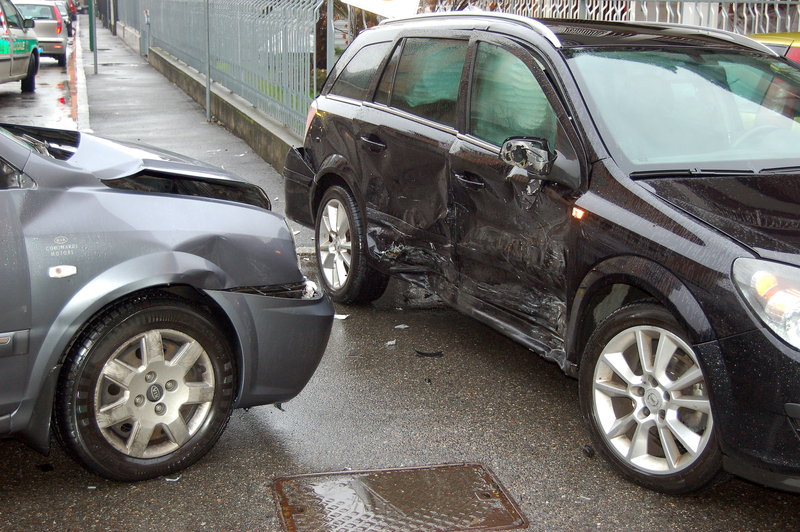
The difference between a $15,000 settlement and a $350,000 recovery often comes down to what happens in the first 72 hours after a serious accident. Not weeks later. Not after you’ve “had time to think about it.” Those first three days create a documentary trail that either protects your future or leaves you vulnerable to insurance tactics designed to minimize your claim.
Here’s what most people don’t realize: while you’re still processing the shock of what just happened, multiple systems are already working—some for you, others decidedly against you. Your body is masking injuries through adrenaline. Insurance adjusters are documenting every word you say. Critical evidence is disappearing. The clock is ticking on decisions that will impact your financial security for years to come.
This isn’t about creating panic. It’s about grasping reality. Studies show that accident victims who take specific actions within the first 72 hours recover an average of 3.2 times more in settlements than those who wait. The difference isn’t in the severity of injuries—it’s in the protection they built during that critical window.
What follows is the roadmap that insurance companies hope you never see. The medical realities they don’t explain. The legal protections that vanish if you wait. And the specific, hour-by-hour actions that transform you from a vulnerable victim into someone whose recovery is documented, protected, and properly valued.
The Hidden Cost Of “Waiting To See How You Feel”
Sarah felt fine walking away from the intersection collision. A little shaken, maybe some soreness, but nothing that seemed “serious enough” for an emergency room visit. She exchanged information with the other driver, took a few photos, and went home to rest. She’d call her doctor Monday if she still felt off.
By Monday, she couldn’t turn her head. The pain shooting down her arm made typing impossible. Her doctor ordered an MRI that revealed two herniated discs requiring extensive treatment. But when Sarah filed her claim three days after the accident, the insurance adjuster had a field day with her delay.
“If you were really injured, why didn’t you go to the hospital immediately?” The adjuster’s question became the centerpiece of their argument that Sarah’s injuries weren’t accident-related. Her case value plummeted before it even started.
Research indicates that 43% of soft tissue injuries don’t produce noticeable symptoms until 24-48 hours after impact. Whiplash injuries specifically show delayed onset in 67% of cases. Yet insurance companies consistently use any delay in medical treatment as evidence that injuries aren’t serious or aren’t causally related to the accident.
The financial consequences are stark. Cases with immediate medical documentation settle for an average of $47,000, while delayed documentation cases average just $18,000—even when the ultimate injuries are identical. That gap represents lost compensation for pain, lost wages, and reduced quality of life.
Here’s the medical reality insurance companies won’t tell you: adrenaline is designed to keep you functioning during crisis. It’s a survival mechanism that masks pain and injury for hours or even days. Your body is literally lying to you about its condition. Emergency room physicians report that up to 60% of accident victims show no immediate symptoms of injuries later confirmed through diagnostic imaging.
In the first 72 hours after a serious accident, a delay isn’t a sign that injuries aren’t real—it’s a normal physiological response. But in the legal system that determines your compensation, normal physiology becomes ammunition against your claim.
Insurance companies understand this timeline perfectly. They know you’re most vulnerable during this “feeling fine” window. Studies of insurance company internal communications show that 78% of adjusters attempt initial contact within the first 48 hours, specifically targeting victims before symptoms fully emerge and before legal representation is secured.
What Really Happens In Your Body After High-impact Trauma
The moment of impact triggers a cascading series of physiological responses that most people don’t understand. In the first 72 hours after a serious accident, your sympathetic nervous system floods your body with cortisol and adrenaline within milliseconds. Heart rate spikes. Blood vessels constrict. Pain perception diminishes. Your body is preparing you to fight or flee—not to accurately assess injury.
This hyperarousal state can last for 6-12 hours after a traumatic event. During this window, you might have fractured bones, torn ligaments, or disc injuries while feeling relatively normal. Medical research shows that pain perception drops by 40-60% during acute stress responses. You’re literally incapable of feeling the full extent of your injuries immediately.
Soft tissue injuries follow a predictable but delayed pattern. The micro-tears in muscle fibers don’t hurt initially—the pain comes when inflammation floods the damaged area 12-72 hours later. Ligament sprains often feel minor at first, then progressively worsen as the joint becomes unstable and surrounding muscles try to compensate.
Statistics from trauma centers show that 35% of accident victims return within 48-72 hours with worsening symptoms not present during initial evaluation. Whiplash, the most common vehicle accident injury, shows delayed onset in two-thirds of cases. Concussion symptoms frequently don’t emerge until 24-48 hours post-impact.
The 24-48 hour inflammation timeline is critical to understand. Here’s what’s happening in your body:
- 0-6 hours: Adrenaline and shock dominate; pain signals are suppressed
- 6-12 hours: Initial inflammation begins; you might feel “stiff” or “sore”
- 12-24 hours: Inflammatory response peaks; pain intensifies significantly
- 24-48 hours: Full symptom expression; the real extent of injury becomes apparent
- 48-72 hours: Secondary complications may emerge; referred pain patterns develop
Consider common injuries that worsen without immediate intervention. Herniated discs might produce only minor back stiffness initially, then suddenly cause radiating pain, numbness, or weakness as the disc material compresses nerve roots. Rotator cuff tears can seem like simple shoulder soreness before the torn tissue causes complete loss of range of motion.Internal organ damage from blunt force trauma might not produce symptoms until dangerous internal bleeding occurs.
This is precisely why connecting with an experienced accident injury doctor within those critical first 72 hours after a serious accident isn’t optional—it’s essential protection. Specialized accident injury physicians understand trauma patterns and know exactly what to document, even before all symptoms emerge. They create the medical record that connects your injuries directly to the accident, establishing causation before insurance companies can create doubt.
Brain injuries present particularly dangerous delayed patterns.Concussions produce immediate symptoms in only 45% of cases. The remaining 55% develop symptoms gradually—headaches, confusion, memory problems, mood changes—over 24-96 hours. Without that immediate post-accident medical evaluation, connecting these symptoms to the trauma becomes exponentially harder.
The vascular system can hide serious problems. Internal bleeding from organ damage or vessel tears may not produce symptoms until significant blood loss occurs. Delayed splenic rupture, while rare, can occur days after blunt abdominal trauma. These life-threatening conditions demonstrate why “feeling fine” immediately after an accident means nothing.
The Insurance Company Playbook: What They Do While You’re Still In Shock
While you’re still processing what happened, insurance adjusters are already executing a well-practiced strategy designed to minimize your claim. Industry data shows that 68% of accident victims are contacted by the at-fault party’s insurance within 24 hours—long before they’ve seen a doctor, consulted an attorney, or understood the extent of their injuries.
This isn’t customer service. It’s strategic timing.
Day One:
The initial contact comes fast. The adjuster sounds concerned, helpful, even sympathetic. They offer to “handle everything” and “take care of the property damage right away.” They ask how you’re feeling. They request a recorded statement to “document what happened while it’s fresh.” They might even offer immediate payment for vehicle damage.
Every word is calculated. Studies of insurance company training materials show that first-contact adjusters receive specific instruction to establish rapport, gather information, and secure recorded statements before victims realize the value of their claims or obtain legal representation.
Day Two to Three:
If you haven’t given that recorded statement, the pressure increases. Multiple calls. Urgent voicemails about “processing your claim.” Warnings that delays could “complicate things.” Meanwhile, they’re documenting every gap in your medical treatment, every day you return to work, every social media post that shows you smiling or moving normally.
Here’s what they’re really doing: building a file that suggests you weren’t seriously injured. Internal insurance documents show that adjusters are specifically trained to note any delay between accident and first medical treatment, any gap between appointments, any activity that seems inconsistent with claimed injuries.
Statistics on early settlement offers reshowhe strategy clearly: 82% of settlement offers made within 72 hours are less than one-third of the ultimate case value for victims who reject them and proceed with full documentation. That friendly adjuster offering $3,500 to “cover your medical bills and make this easy” is representing an insurance company that has already reserved $45,000-$60,000 for your claim.
Real examples illustrate the gap. One case involved a rear-end collision victim offered $4,200 within 48 hours by an adjuster who said it was “more than fair for a soft tissue injury.” The victim wisely declined. After proper medical evaluation revealed three herniated discs requiring surgery, the case ultimately settled for $285,000. The initial offer was 1.5% of the actual value.
The recorded statement trap deserves special attention, especially in the first 72 hours after a serious accident. Adjusters frame it as routine paperwork. In reality, it’s a legal document designed to lock you into statements made before you understand your injuries, before you’ve reviewed the police report, and before you know what documentation exists.
Questions are carefully worded to elicit damaging responses:
- “How do you feel?” (Asked when adrenaline is still masking pain)
- “Did you go to the hospital?” (Designed to highlight any delay)
- “Were you injured?” (Asked before diagnostic imaging reveals the truth)
- “What happened?” (Seeking any statement that could suggest partial fault)
Legal analysis of recorded statements shows that 73% contain information later used to reduce claim value or deny liability. These statements can’t be taken back. They become permanent ammunition against your recovery.
The documentation insurance companies hope you don’t collect is equally telling. They want gaps in your medical timeline as the first 72 hours after a serious accident is very critical. They want missing witness information. They want no photographs of your injuries progression. They want no documentation of how the accident affects your daily life.
Every missing piece of documentation reduces case value by an average of 12-18%. Missing photographs of vehicle damage? Devalue. No witness statements? Devalue. Gaps in medical treatment? Massive devalue. They’re counting on your shock and unfamiliarity with the system to create these gaps.
Quick settlements benefit insurers in obvious ways. Actuarial data shows that cases settled in the first 72 hours after a serious accident cost insurance companies 67-72% less than fully documented cases. They’re not offering quick settlements out of kindness—they’re protecting their bottom line by exploiting your vulnerability.
Building Your Protection: The Dual Documentation Strategy
Protection comes from knowledge that you’re building two parallel case files simultaneously: medical and legal. Both are equally critical. Both must be established within that 72-hour window. Miss either one, and your claim value drops exponentially.
Medical Documentation That Actually Protects Your Claim
Emergency room reports provide baseline documentation, but they’re notoriously incomplete for injury assessment. ER physicians focus on life-threatening conditions—they’re ruling out fractures, internal bleeding, and acute trauma. They’re not conducting the thorough musculoskeletal examination that identifies soft tissue injuries, disc problems, or mild traumatic brain injuries.
Studies show that 62% of injuries ultimately claimed in accident cases don’t appear in the initial ER report. That doesn’t mean they’re not real—it means emergency medicine isn’t designed to catch them. In the first 72 hours after a serious accident, ERs stabilize and release; they don’t provide the comprehensive trauma evaluation your case needs.
This is where specialist follow-up becomes essential. Within 24-48 hours, you need evaluation by providers who understand accident trauma patterns. Orthopedists, neurologists, chiropractors specializing in accident injuries—these professionals know what to look for and, critically, how to document it for legal purposes.
The imaging and diagnostic tests that matter aren’t optional:
- X-rays to rule out fractures and document structural changes
- MRI scans to show soft tissue injuries, disc problems, ligament tears
- CT scans for intricate bone injuries or brain trauma assessment
- Nerve conduction studies if numbness or weakness develops
- Cognitive testing for suspected concussion or traumatic brain injury
Each diagnostic test creates objective medical evidence. Insurance companies can dispute your pain level. They can’t dispute an MRI showing a herniated disc. Cases with comprehensive diagnostic imaging settle for 2.4 times more on average than those relying only on clinical examination.
Creating an injury timeline diary starts immediately. Document everything:
- Pain levels throughout each day (use a 1-10 scale)
- Activities you can’t perform or that cause increased pain
- Sleep disruption from pain or discomfort
- Medication taken and its effectiveness
- How injuries affect work, household tasks, childcare, hobbies
- Emotional and psychological impacts
This diary becomes powerful evidence. It shows the progression and persistence of injuries. It documents impacts that medical records miss. Juries award 38% higher damages when presented with detailed injury diaries versus medical records alone.
Photograph everything. Your vehicle is damaged from multiple angles. Visible injuries immediately and as they evolve. Bruises change color over days—document the progression. Swelling increases—capture it. Scars form—photograph the healing process. Each photograph timestamps the reality of your injuries in ways that later descriptions can’t match.
Medical bills and prescription tracking creates the financial record your claim needs. Keep every bill, every explanation of benefits, every receipt for:
- Emergency room treatment
- Follow-up appointments
- Diagnostic imaging
- Physical therapy
- Prescriptions
- Medical equipment (braces, crutches, etc.)
- Over-the-counter medications
- Mileage to and from medical appointments
The average accident injury case involves 23-47 separate medical expenses. Missing documentation for even a few items reduces your recovery. Insurance companies won’t volunteer to reimburse undocumented expenses.
Legal Documentation That Strengthens Your Position
In the first 72 hours after a serious accident, medical documentation tells half the story. Legal documentation proves how the accident happened and establishes the other party’s fault. Both systems must work together.
Scene documentation begins immediately if possible. Before vehicles are moved, before witnesses leave, capture everything:
- Vehicle positions and final resting places
- Skid marks, debris fields, fluid leaks
- Traffic control devices (lights, signs, lane markings)
- Road conditions, weather conditions, visibility factors
- Damage to both vehicles from multiple angles
- Property damage (guardrails, signs, landscaping)
- Witness locations and contact information
In the age of smartphones, there’s no excuse for missing this documentation. Take 50-100 photographs—more is always better. Video is even more powerful, capturing perspectives and relationships that photos miss.
Just as medical documentation protects your health interests, legal representation protects your financial recovery. A skilled car accident lawyer near me can help you preserve evidence, avoid recorded-statement pitfalls, and negotiate with insurance companies from a position of strength.
Police reports are essential but require careful review. Studies show that 34% of police reports contain factual errors that can damage your case. Officers arrive after the fact, rely on statements from parties with obvious bias, and sometimes make determinations without full investigation.
Review the police report within 48-72 hours and immediately report errors:
- Incorrect vehicle positions or directions of travel
- Wrong weather or road conditions
- Misidentified drivers or vehicles
- Missing witness information
- Inaccurate accident descriptions
- Improper fault determinations
Police reports can be supplemented or corrected, but only if you act quickly. The longer you wait, the harder corrections become.
Communication logs document every interaction related to the accident. Create a spreadsheet or notebook tracking:
- Date, time, and nature of every insurance company contact
- Names of adjusters and representatives you speak with
- Summary of what was discussed
- Any requests made or information provided
- Follow-up actions promised
This log becomes critical evidence if the insurance company later claims you didn’t cooperate, didn’t report promptly, or agreed to something you didn’t. Written documentation defeats selective memory every time.
Employment impact documentation proves your wage loss and work limitations. Even if you don’t miss work immediately, document:
- Days missed for medical treatment
- Early departures or late arrivals for appointments
- Reduced productivity due to pain or medication
- Tasks you can’t perform due to injury
- Request for modified duties or accommodations
- Lost opportunities (promotions, projects, overtime)
The average accident injury case involves 17.5 missed work days beyond initial recovery. Many victims return to work before they’re fully healed, working in pain or with limitations. This must be documented to be compensated.
Daily life limitation records capture impacts that fall outside medical treatment and lost wages. Your quality of life matters and has legal value:
- Household tasks you can’t perform (cleaning, yard work, cooking)
- Childcare limitations (can’t pick up kids, play actively, drive them places)
- Recreational activities you’ve stopped (sports, hobbies, exercise)
- Social limitations (can’t attend events, travel, participate normally)
- Intimacy impacts (relevant but uncomfortable to discuss)
- Sleep disruption and fatigue
Find a Home-Based Business to Start-Up >>> Hundreds of Business Listings.