







































Introduction
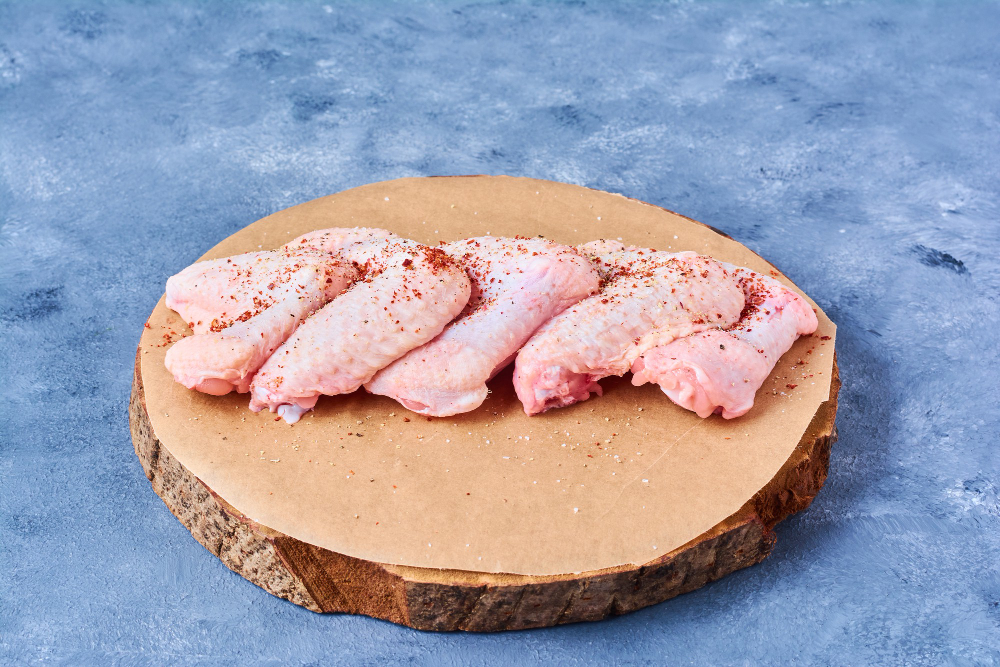
Knowing how to defrost chicken fast is a must for anyone who cooks regularly. Whether you forgot to thaw your chicken overnight or need a quick dinner solution, using the right method can save time without risking food safety. Chicken is highly perishable, and improper thawing can lead to harmful bacteria like Salmonella multiplying rapidly.
The challenge is balancing speed with safety. While some methods may seem convenient, they can compromise the quality and safety of your food. This comprehensive guide explains the fastest and safest ways to defrost chicken, along with expert insights, best practices, and common mistakes to avoid—so you can cook confidently every time.
Quick Answer: Fastest Way to Defrost Chicken
The fastest safe way to defrost chicken is the cold water method, which usually takes 30 to 60 minutes for smaller cuts. If you’re in a hurry, the microwave defrost setting works in minutes, but the chicken must be cooked immediately afterward.
Why Proper Defrosting Is Important
Defrosting chicken correctly is not just about convenience—it’s about safety. When chicken is left at room temperature, it quickly enters the “danger zone” where bacteria grow rapidly. Even if the inside is still frozen, the outer layers can become unsafe to consume.
Proper thawing ensures even cooking, better texture, and reduced health risks. It also helps maintain the nutritional value of the meat while preventing contamination in your kitchen.
Cold Water Method: The Best Balance of Speed and Safety
The cold water method is widely considered the most effective way to defrost chicken quickly without compromising safety.
To use this method, place the chicken in a sealed plastic bag and submerge it in a bowl of cold water. It’s important to change the water every 30 minutes to maintain a safe temperature. This process allows the chicken to thaw evenly while staying below the temperature where bacteria thrive.
Smaller cuts like boneless chicken breasts can thaw within 30 minutes, while larger pieces may take up to two hours. Once thawed, the chicken should be cooked immediately to ensure safety.
Microwave Defrosting: Fastest but Requires Caution
If time is extremely limited, the microwave offers the fastest solution. Most modern microwaves have a defrost setting that adjusts power levels based on the weight of the chicken.
However, this method comes with a trade-off. Microwave defrosting can partially cook some areas of the chicken, leading to uneven texture. Because of this, it’s essential to cook the chicken immediately after thawing to prevent bacterial growth.
This method is best reserved for situations where you plan to cook the chicken right away and don’t mind slight changes in texture.
Refrigerator Thawing: Safest but Slowest Option
Refrigerator thawing is the safest method, though it requires planning ahead. By placing the chicken in the fridge, it thaws gradually at a consistent, safe temperature.
Small portions typically take 12 to 24 hours, while a whole chicken may require up to two days. Although this method is not ideal for last-minute cooking, it preserves the texture and flavor of the chicken better than faster methods.
It’s also the only method that allows you to refreeze chicken safely if needed, provided it hasn’t been left out at room temperature.
Comparison of Defrosting Methods
| Method | Time Required | Safety Level | Best Use Case |
|---|---|---|---|
| Cold Water | 30–120 minutes | High | Quick and safe thawing |
| Microwave | 5–10 minutes | Medium | Immediate cooking |
| Refrigerator | 12–48 hours | Very High | Meal planning |
This comparison shows that while faster methods are convenient, they require more attention to safety.
Step-by-Step Guide: Defrost Chicken Fast Using Cold Water
If you need a quick and reliable method, follow this simple process. Start by placing the chicken in a leak-proof plastic bag to prevent water from entering and contaminating the meat. Submerge the bag completely in cold water, ensuring it is fully covered.
Change the water every 30 minutes to keep it cold and effective. Continue this process until the chicken is fully thawed. Once done, cook the chicken immediately to maintain safety and quality.
Common Mistakes to Avoid
One of the most common mistakes is leaving chicken out on the kitchen counter. This method may seem convenient, but it allows bacteria to grow rapidly on the surface.
Using hot water is another error. While it may speed up thawing, it can partially cook the chicken and create unsafe conditions. Refreezing improperly thawed chicken is also risky and should be avoided.
Ignoring hygiene is another issue. Failing to clean surfaces and utensils after handling raw chicken can lead to cross-contamination.
Best Practices for Safe Defrosting
Always keep chicken in a sealed container or bag during thawing. This prevents contamination and helps maintain quality. Wash your hands thoroughly before and after handling raw chicken, and sanitize all surfaces it comes into contact with.
Using a food thermometer is also recommended to ensure the chicken reaches a safe internal temperature during cooking. Proper handling not only protects your health but also improves the overall cooking outcome.
Expert Tip
To save time in the future, freeze chicken in smaller portions. This allows it to thaw faster and more evenly, making meal preparation quicker and more efficient.
Can You Cook Chicken Without Defrosting?
Yes, chicken can be cooked directly from frozen, but it requires about 50 percent more cooking time. This method works best for baking or slow cooking, where heat is distributed evenly.
However, it is not ideal for grilling or frying, as uneven cooking can occur. While convenient, cooking from frozen should be a backup option rather than a primary method.
Real-World Use Case
For busy households, quick defrosting methods are essential. Imagine preparing dinner after a long day and realizing the chicken is still frozen. Using the cold water method allows you to have it ready within an hour, making it possible to cook a fresh, safe meal without relying on processed alternatives.
This practical application highlights why understanding proper defrosting techniques is so valuable in everyday life.
Key Takeaways
- The cold water method is the fastest safe way to defrost chicken
- Microwave thawing is quick but requires immediate cooking
- Refrigerator thawing is safest but requires planning
- Never thaw chicken at room temperature
- Proper handling reduces the risk of bacterial contamination
FAQs
1. What is the fastest way to defrost chicken?
The cold water method is the fastest safe option, taking around 30 to 60 minutes for most cuts.
2. Can I defrost chicken at room temperature?
No, this method is unsafe because it allows bacteria like Salmonella to grow rapidly.
3. Is microwave defrosting safe?
Yes, but the chicken must be cooked immediately after thawing to prevent bacterial growth.
4. How long does chicken take to thaw in water?
It usually takes 30 minutes to 2 hours depending on the size and thickness of the chicken.
5. Can I refreeze thawed chicken?
Yes, but only if it was thawed in the refrigerator and not exposed to room temperature.
6. Does defrosting affect taste?
Improper thawing can affect texture and flavor, but safe methods help preserve quality.
Find a Home-Based Business to Start-Up >>> Hundreds of Business Listings.