

































Introduction
A pour-over coffee maker is one of the most effective and rewarding ways to brew high-quality coffee at home. Unlike automatic drip machines, this manual brewing method allows you to control every detail of the process—from water temperature to pouring speed—resulting in a clean, flavorful, and aromatic cup.
As more people shift toward speciality coffee and home brewing, pour-over coffee makers have become a go-to choice for both beginners and experienced coffee enthusiasts. Whether you’re looking for better taste, more control, or a mindful brewing ritual, the right pour-over coffee maker can elevate your daily coffee experience.
This comprehensive guide covers the best pour-over coffee makers, how they compare, and expert techniques to help you achieve café-quality results at home.
Quick Answer: What Is a Pour-Over Coffee Maker?
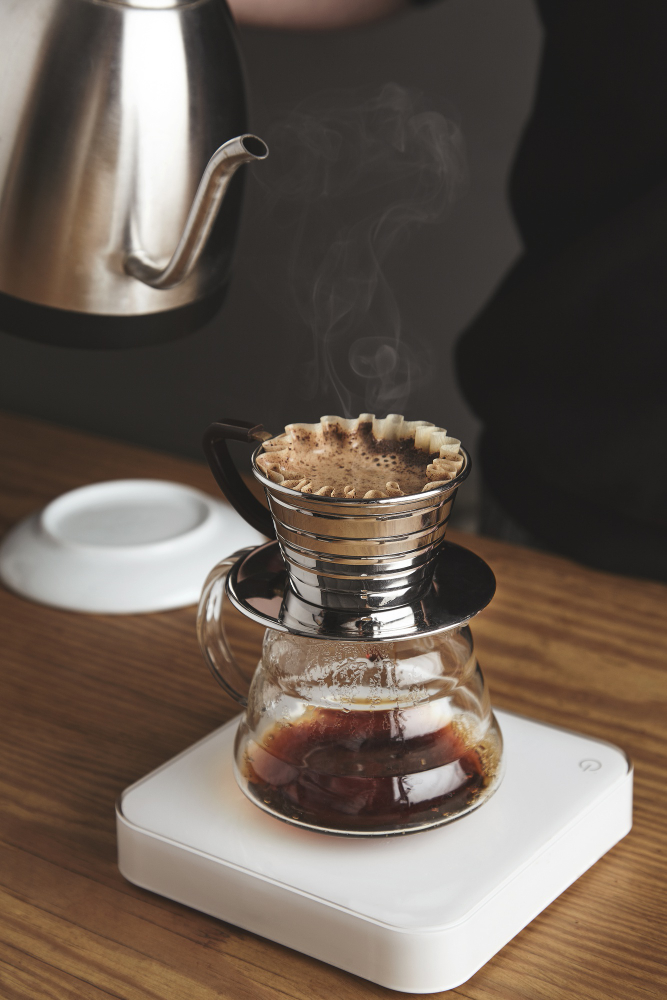
A pour-over coffee maker is a manual brewing device where hot water is slowly poured over ground coffee in a filter, allowing gravity to extract flavors into a cup or carafe.
It is known for:
- Clean and smooth taste
- Precise control over brewing variables
- Enhanced aroma and flavor clarity
Key Takeaways
- Pour over coffee makers offer better control than automatic machines
- Grind size, water temperature, and pouring technique impact flavor
- Cone-shaped drippers provide precision, while flat-bottom ones offer consistency
- Ideal for beginners and advanced coffee lovers
- Requires minimal equipment but proper technique for best results
Why Choose a Pour Over Coffee Maker?
Pour over brewing has gained popularity because it combines simplicity with precision, making it one of the best methods for extracting nuanced coffee flavors.
Full Brewing Control
Unlike electric coffee makers, pour over devices allow you to control every variable. This includes bloom time, water flow, and extraction speed, giving you complete flexibility.
Superior Flavor Extraction
The manual process ensures even saturation of coffee grounds, resulting in a cleaner and more balanced cup. It also highlights subtle tasting notes often lost in automatic brewing.
Cost-Effective Solution
Most pour over coffee makers are affordable and long-lasting. You don’t need expensive equipment to enjoy high-quality coffee.
Minimalist Brewing Setup
All you need is a dripper, filter, kettle, and coffee. This simplicity makes it ideal for home, office, or travel use.
Types of Pour Over Coffee Makers
Understanding the different types helps you choose the right brewing device based on your experience level and preferences.
Cone-Shaped Drippers
Cone-shaped drippers have a single large opening at the bottom, allowing water to flow quickly. This design offers more control over extraction and is preferred by experienced users.
Flat-Bottom Drippers
Flat-bottom drippers have multiple small holes, which help distribute water evenly. These are easier to use and provide consistent results, making them ideal for beginners.
All-in-One Systems
These systems combine a dripper with a built-in carafe, offering convenience and aesthetic appeal. They are perfect for those who want a simple and elegant brewing setup.
Best Pour Over Coffee Makers
Choosing the best pour over coffee maker depends on your brewing style, budget, and experience level.
Hario V60
A highly popular option among coffee enthusiasts, the Hario V60 features spiral ridges and a large hole for precise control over water flow. It is ideal for those who enjoy experimenting with brewing techniques.
Chemex Classic
Known for its elegant glass design, Chemex uses thick paper filters that produce a clean and smooth cup. It is perfect for those who prefer less bitterness and a refined taste.
Kalita Wave
The Kalita Wave has a flat-bottom design with three holes, ensuring even extraction. It is beginner-friendly and delivers consistent results with minimal effort.
Melitta Pour Over
A simple and affordable option, Melitta is perfect for beginners. Its classic design makes it easy to use without requiring advanced skills.
Fellow Stagg X
A premium pour over coffee maker designed for precision brewing. It offers excellent control and a modern aesthetic, making it a favorite among advanced users.
Comparison Table: Top Pour Over Coffee Makers
| Coffee Maker | Design Type | Material | Best For | Difficulty |
|---|---|---|---|---|
| Hario V60 | Cone | Ceramic/Plastic | Flavor control | Medium |
| Chemex | Cone | Glass | Clean taste | Easy |
| Kalita Wave | Flat Bottom | Stainless Steel | Consistency | Easy |
| Melitta | Cone | Plastic | Beginners | Easy |
| Fellow Stagg X | Flat Bottom | Stainless Steel | Precision brewing | Advanced |
Step-by-Step Guide: How to Use a Pour Over Coffee Maker
Step 1: Heat the Water
Heat water to approximately 90–96°C (195–205°F). This temperature range ensures optimal extraction without burning the coffee.
Step 2: Grind the Coffee
Use a medium-coarse grind similar to sea salt. A consistent grind size is crucial for balanced extraction.
Step 3: Prepare the Filter
Place the filter in the dripper and rinse it with hot water. This removes any paper taste and preheats the equipment.
Step 4: Add Coffee Grounds
Add coffee using a standard ratio of 1:15 to 1:17 (coffee to water). Adjust according to your taste preference.
Step 5: Bloom the Coffee
Pour a small amount of water over the grounds and let it sit for 30–45 seconds. This releases trapped gases and improves extraction.
Step 6: Controlled Pouring
Pour water slowly in circular motions, ensuring all grounds are evenly saturated.
Step 7: Complete the Brew
Allow the coffee to drip completely before removing the dripper. The total brew time should be around 2–4 minutes.
Real-World Use Cases
Daily Home Brewing
Pour over coffee makers are perfect for creating high-quality coffee at home without expensive machines.
Office Coffee Setup
They are compact and easy to use, making them suitable for small office spaces.
Travel and Outdoor Brewing
Lightweight and portable designs make them ideal for camping and travel enthusiasts.
Expert Tip
To achieve consistent results, always measure your coffee and water using a digital scale. Pair this with a gooseneck kettle for precise pouring control. Small adjustments in pouring technique can significantly impact flavor quality.
Common Mistakes to Avoid
Using Incorrect Grind Size
Too fine can cause over-extraction and bitterness, while too coarse leads to weak coffee.
Pouring Too Fast
Rushing the process results in uneven extraction and poor flavor balance.
Skipping the Bloom Phase
Skipping this step can prevent proper gas release, affecting taste.
Ignoring Water Quality
Using unfiltered water can negatively impact the final flavor.
Best Practices for Perfect Pour Over Coffee
- Use freshly roasted coffee beans
- Grind coffee just before brewing
- Maintain consistent pouring technique
- Stick to the correct coffee-to-water ratio
- Clean your equipment regularly
Industry Insights
The global coffee industry is seeing a rise in manual brewing methods as consumers seek better quality and personalised experiences. Pour-over coffee makers are especially popular in the specialty coffee segment because they allow drinkers to fully experience the unique flavor notes of single-origin beans.
This growing trend reflects a shift toward artisanal coffee preparation and a deeper appreciation for the brewing process.
How to Choose the Best Pour-Over Coffee Maker
Choosing the right pour-over coffee maker depends on your needs and preferences.
For Beginners
Flat-bottom drippers are easier to use and provide consistent results.
For Intermediate Users
Cone-shaped drippers offer more control and allow experimentation.
For Advanced Users
High-end models with precision features provide maximum customization.
Material Considerations
Glass and ceramic offer aesthetic appeal, while stainless steel provides durability and portability.
Conclusion
A pour over coffee maker is more than just a brewing tool—it’s a gateway to better coffee. With its ability to deliver clean, flavorful, and customizable results, it stands out as one of the best methods for home brewing. Whether you prefer the precision of a cone-shaped dripper or the consistency of a flat-bottom design, there is a perfect option for every coffee lover.
By understanding the different types, mastering the brewing process, and avoiding common mistakes, you can consistently create café-quality coffee in your own kitchen. Investing in a high-quality pour over coffee maker not only enhances your daily routine but also transforms coffee brewing into a rewarding and enjoyable experience.
FAQ
1. What is the best pour over coffee maker for beginners?
Flat-bottom drippers like Kalita Wave or Melitta are ideal because they offer consistent extraction and are easier to use.
2. How does pour over coffee taste compared to drip coffee?
Pour over coffee has a cleaner, brighter taste with more distinct flavor notes due to better control over extraction.
3. What grind size should I use for pour over coffee?
A medium-coarse grind works best, allowing water to flow evenly without over-extracting the coffee.
4. Do pour over coffee makers need special filters?
Yes, most models require specific filters designed for their shape to ensure proper brewing.
5. Can I make strong coffee with a pour over method?
Yes, adjusting the coffee-to-water ratio allows you to control the strength of your brew.
6. Is pour over coffee better than espresso?
They serve different purposes. Pour over highlights flavor clarity, while espresso is more concentrated.
7. How long does pour over coffee take?
Typically, it takes between 2–4 minutes depending on grind size and pouring technique.
Find a Home-Based Business to Start-Up >>> Hundreds of Business Listings.