


































Sustainable roofing once felt like a nice extra, but it’s increasingly becoming practical planning. Small firms in heavy rain regions are noticing this shift as they face rising insurance demands, tighter codes, and higher repair costs linked to stronger storms.
Across markets, researchers have been showing how climate pressure is reshaping roofing choices. Reporting from major outlets notes that fortified roofs can reduce storm damage and insurance claims, giving small property owners more stability.
Similar reviews from industry analysts explain how metal, clay, slate, and cool asphalt differ in lifespan, moisture control, and long term cost. All of this raises the real question: does sustainable roofing worth trying to save small firms money.
The deeper you look, the more total cost advantages appear.
Upfront Cost vs Total Cost of Ownership
The first thing most small firms notice is the price tag. Many sustainable or resilient systems cost more on day one. Metal panels, slate tiles, and clay tiles all run higher than standard shingles. Cool asphalt usually sits closer to standard pricing, which makes it a gateway option for firms easing into sustainability.
Day One costs only tell part of the story. When factoring in lifespan, maintenance, energy savings, and repair frequency, the numbers shift. According to a summary by Resilient Roofing Ltd, heavy rain zones benefit from stronger underlayments and moisture resistant roofing materials that reduce leak likelihood over time. That means fewer service calls, fewer interruptions to your business, and a lower cost curve over the roof life cycle.
Here are three simple reasons small firms should not judge the worth of sustainable roofs by sticker price alone.
- Durable roofs reduce total repair events, especially in high rain years.
- Longer life cycles flatten out the cost curve, which helps with budgeting.
- Some insurers offer incentives for resilient upgrades.
That last point is becoming more important. Reports from Soma Insure show that insurers are updating their discount programs to reward resilient roof choices that reduce risk exposure. As weather volatility continues to rise, these savings can add up to real money.
How Heavy Rain Changes the Payback Math
If your business operates in a region with long rainy seasons, your roof faces constant moisture pressure that speeds up aging. Shingles curl faster, flashing corrodes sooner, and drainage systems work overtime.
Premium materials like metal, slate, and clay hold up far better because they shed water efficiently, resist rot, and maintain performance for decades. When comparing options,start by thinking about how each choice supports a stable, long term roof for your commercial building without frequent repairs.
Industry experts, like McDonald & Wetle say much of the value comes from predictability. Durable roofs often avoid major structural work for twenty years or more, delivering steadier costs even if the initial payback takes longer.
Brand Differentiation and Local Codes
Sustainable roofing is not just a structural investment. It is also becoming a brand signal. Customers notice when a small firm invests in durability and energy efficient materials. It suggests foresight, care for operating costs, and some level of environmental alignment.
For local service companies, cafes, small manufacturers, or retail spaces, this can support a community minded reputation.
Local codes are also changing faster than many small owners expect. Municipalities in heavy rain zones are adopting drainage requirements, reflecting roofing rules, and energy guidelines that favor cool roofing. Sustainable materials make it easier to stay ahead of compliance costs. That helps avoid forced upgrades later.
Choosing Between Metal, Slate, Clay, and Cool Asphalt
Each material comes with strengths and tradeoffs.
Metal Roofing
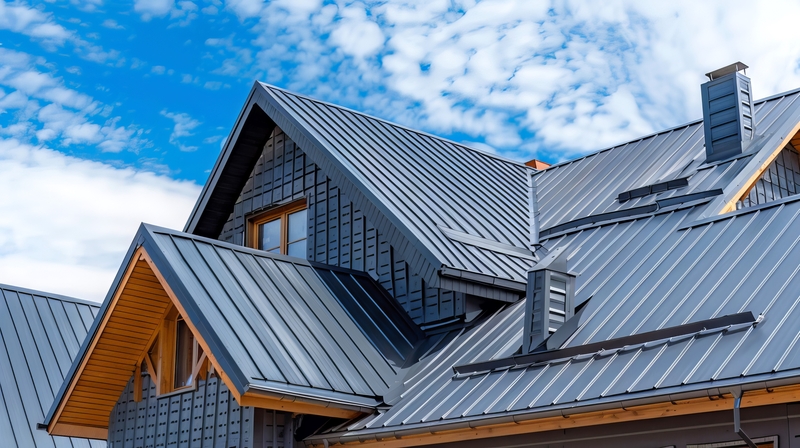
Metal handles heavy rain well. It sheds water fast and rarely shows early wear. It costs more upfront but has one of the best longevity profiles. Noise concerns are easy to manage with insulation, so most small firms do not find this a real drawback.
Slate and Clay Roofing
Slate and clay are among the longest lasting roofing materials available. They resist moisture, heat, and time better than almost anything else. The limiting factors are structure load and upfront cost. If your building can support the weight, the life cycle savings can be huge.
Cool Asphalt Roofing
Cool asphalt is the easiest on budgets. It reflects sunlight and reduces heat buildup, which can help with cooling costs. In heavy rain regions it performs well enough, though not as impressively as metal or tile. It is a good step up from standard shingles.
Final Thoughts
Sustainable roofing is worth it for many small firms, but not for every situation. The benefits grow in regions with heavy rain, strict codes, or rising insurance premiums. When firms weigh the full life cycle costs, the case becomes strong. Durable roofs reduce risk and stabilize long term expenses, which helps small firms stay resilient.
If you want to explore more topics like this, check out similar business insights on Home Business Magazine.
Find a Home-Based Business to Start-Up >>> Hundreds of Business Listings.