










































Investing in home solar panels can be beneficial for both your wallet and the planet. However, to get the most out of your investment and see a real return on your outlay, you need to get the right panels for your home’s unique energy requirements, your roof space and your budget.
In this guide, we’ll be walking you through all the things you’ll need to know before going out and buying some solar panels for your house – including the different types you can buy, what really matters when it comes down to specs, and how to choose a system that’s going to meet your needs.
Types of Solar Panels You Can Get
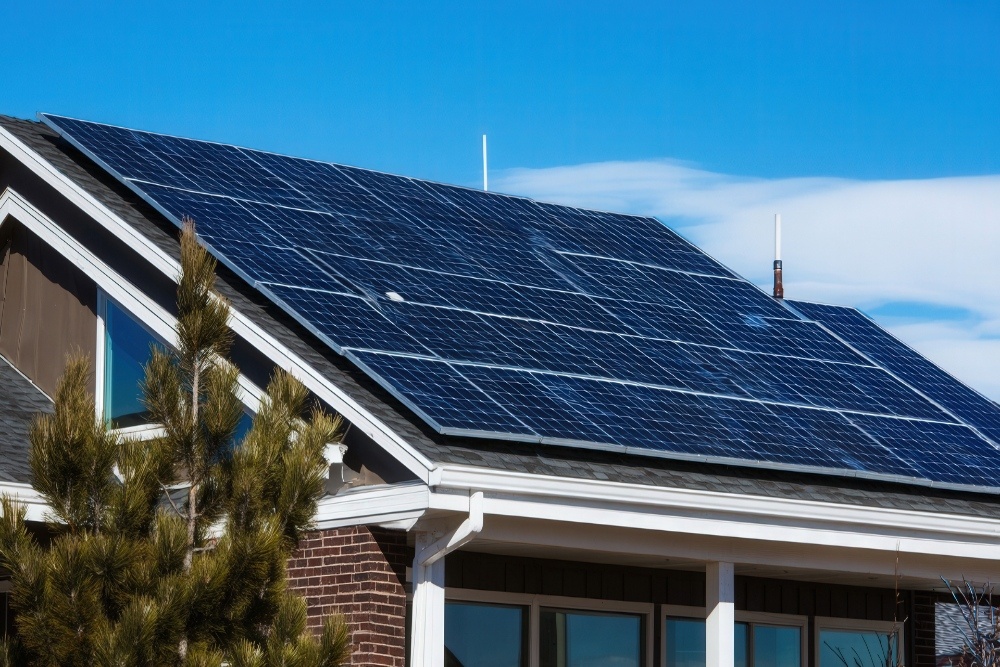
When exploring solar panels for house installation, it’s really helpful to know what options are out there. Each type of panel offers a different balance of how efficient it is, how it looks and how much it costs.
Monocrystalline Solar Panels
Monocrystalline solar panels are often considered to be one of the most efficient options for residential use. They’re made from a single crystal structure, which lets electrons move around more freely, and as a result, they tend to produce more energy compared to other panels. This makes them perfect for homes where roof space is tight, but energy demand is high.
Not only do they perform well, but they’re also known for their durability and ability to keep producing energy for many years with a reliable output. That makes them a great, long-term investment for homeowners who want stable energy savings.
All-Black Solar Panels
All-black solar panels are basically the same as standard monocrystalline panels – they just look a lot nicer. The fully black design, which even includes the frame and the backsheet, makes them a popular choice for homeowners who want a low-key installation that blends in with their house.
While they’re all about looking good, they still deliver top-notch performance and efficiency. So they’re a good choice if you want a residential property that looks great from the outside, and generates plenty of energy inside.
Half-Cut Cell Solar Panels
Half-cut solar panels are designed to improve your overall efficiency and longevity. Each solar cell is cut in half, which cuts down on electrical resistance and lets the panel produce more energy, even in real-world conditions where a bit of the surface is shaded or dirty.
This design also makes them more resistant to heat and reduces energy loss, so they do a better job overall of producing energy throughout the day. As a result, half-cut panels are often recommended for homes that get a bit of shading or have roofs that aren’t perfectly aligned with the sun.
Bifacial Solar Panels
Bifacial solar panels are a more advanced option that can generate electricity from both sides of the panel. While the front side captures direct sunlight, the back side can absorb reflected light from surfaces like tiles, gravel or a flat roof. This dual-sided generation can increase overall energy output in the right installation environment.
They’re particularly effective in installations where there’s good light reflection, and there’s enough space between the panel and the roof surface. That makes them a smart choice for homeowners who want to get the most out of their installation where possible.
What Specifications Matter Most
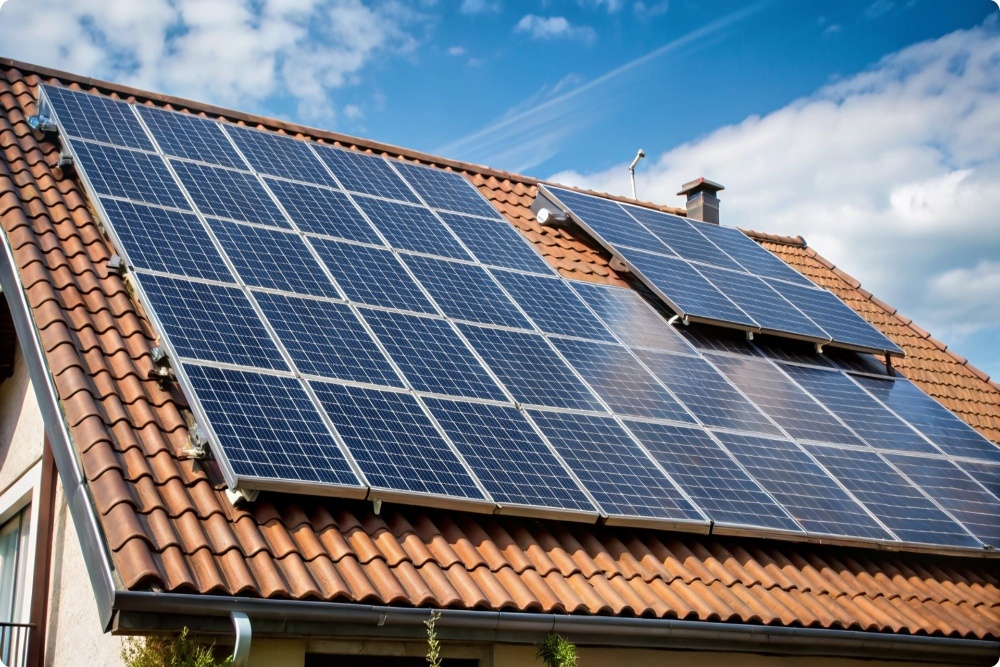
When comparing solar panels for house use, it’s the key technical specs that’ll make a world of difference in picking the right system. They may all look the same, but the truth is that not all panels perform equally. So it’s worth keeping an eye on the numbers that really matter to long-term efficiency and saving.
Wattage (The Power Output)
Wattage is one of the first things to look at. This tells you how much electricity a panel will produce under standard conditions – a key figure to get a good idea of the system’s capabilities. Higher wattage panels are going to produce more energy per panel, which can be pretty handy if you’ve got limited roof space or want to squeeze as much out of a smaller area as possible.
Efficiency – How Well Does It Convert Sunlight?
Efficiency rating is all about how well a solar panel can turn sunlight into usable electricity. Panels that are more efficient will produce more energy from the same amount of sunlight. This makes them ideal for homes where space is at a premium, or you’re looking to get the most out of a smaller installation. Even a tiny increase in efficiency can make a lot of difference over the life of the system.
Temperature Coefficient – Something To Watch Out For
The temperature coefficient tells you how much a panel’s performance drops off as the temperature rises. And since solar panels naturally heat up when exposed to sunlight, a lower temperature coefficient means your system will keep chugging along even on the hottest of days.
Durability And Warranty – The Long Game
These two factors should definitely be on your radar when making a decision. High-quality panels are designed to withstand all sorts of harsh weather – heavy rain, wind, and snow. And a strong manufacturer’s warranty (usually 20-25 years) gives you peace of mind knowing the system’s built to last and will keep delivering value for years to come.
How to Pick The Right Solar System for Your Needs
Choosing the right solar panels for your house isn’t just about picking the one that makes the most electricity. It’s about matching up with your household’s unique energy habits, your roof’s quirks, and what you’re looking for in the long-run. A little thought and planning up front will go a long way to making sure you get the most bang for your buck.
Getting a Handle on Your Energy Use
First things first – take a look at how much power your household normally uses. Go through your past electricity bills and get a sense of what your daily and monthly energy consumption is like. This will help you figure out how big a solar system you need, so you’re not wasting money on too much or not enough capacity.
Assessing Your Roof
Next up, take a close look at your roof. How much space have you got to work with, and what’s the angle and direction of your roof? All these factors affect how many panels you can fit up there, and how much juice they’ll produce. South-facing roofs are usually the way to go, but don’t count out east or west-facing installations – they can still bring in a good day’s work with the right setup.
Think About Your Future Energy Plans
You’ve also got to think ahead to your future energy needs. If you’re planning on adding some high-energy appliances, like electric heating or an EV charger, it might be worth splurging a bit on a bigger system now to save yourself hassle in the long run.
Budget and Value for Money
Lastly, don’t overlook your budget and the return on investment. Sure, higher-efficiency systems might cost a bit more upfront, but they can pay for themselves through reduced energy bills over time. It’s all about finding that sweet spot between what you can afford to spend now and what you expect to get back in the long term.
Find a Home-Based Business to Start-Up >>> Hundreds of Business Listings.


