










































Strong reading skills do far more than help children succeed in school. Early literacy also lays the groundwork for many of the qualities associated with future entrepreneurs: communication, creativity, critical thinking, confidence, and problem-solving. Long before children launch businesses or lead organizations, they begin developing these foundational abilities through books, storytelling, and structured literacy instruction.
Researchers and educators have long recognized that literacy shapes how children process information, express ideas, and navigate challenges. Children who learn to read confidently at an early age are often better equipped to absorb knowledge across every subject area. Early literacy supports vocabulary growth, comprehension, attention span, and analytical thinking. These are all essential skills for future leadership and innovation.
Literacy Builds Communication and Confidence
Entrepreneurship, at its core, is about identifying opportunities, communicating effectively, and adapting to change. These skills begin developing much earlier than many people realize. Reading introduces children to new perspectives, expands imagination, and teaches them how to sequence ideas and solve problems.
Storybooks, for example, help young learners understand cause and effect, persistence, teamwork, and emotional intelligence. These are traits that later become invaluable in business and leadership settings.
Strong literacy skills also contribute to self-confidence. Children who can read fluently are more likely to participate in classroom discussions, ask questions, and explore independent learning opportunities. That confidence often carries into adulthood, where entrepreneurs must pitch ideas, negotiate, network, and make informed decisions. Literacy provides the communication framework that allows individuals to express ideas clearly and persuasively.
Reading Encourages Creativity and Problem-Solving
In addition to communication skills, reading strengthens cognitive flexibility (a key entrepreneurial trait). Entrepreneurs constantly face changing conditions and unexpected obstacles. Early exposure to books and language-rich learning environments helps children build mental adaptability by encouraging curiosity, interpretation, and creative thinking.
Stories challenge children to imagine possibilities beyond their immediate environment, which nurtures innovation and future-oriented thinking. Books also expose children to diverse perspectives and experiences, helping them develop empathy and emotional intelligence. These are qualities that are increasingly valuable in modern leadership and business environments.
Children who regularly engage with books often become more comfortable exploring ideas, asking questions, and thinking independently. These habits are closely connected to entrepreneurial thinking, where curiosity and adaptability play major roles in long-term success.
The Role of Structured Literacy Instruction
This is one reason why structured early literacy programs are becoming increasingly important for educators and parents alike. Programs grounded in the Science of Reading help children build strong foundational reading skills systematically and effectively.
For example, ReadBright offers a literacy program designed to help young learners develop these critical foundations through evidence-based instruction.
ReadBright’s structured literacy approach incorporates phonemic awareness, phonics, vocabulary, fluency, and comprehension using systematic, cumulative, and multimodal instruction. The program is rooted in the Orton-Gillingham methodology and aligned with current Science of Reading research.
By helping children master foundational reading skills early, programs like ReadBright can support long-term academic confidence and lifelong learning habits.
How ReadBright Supports Lifelong Learning
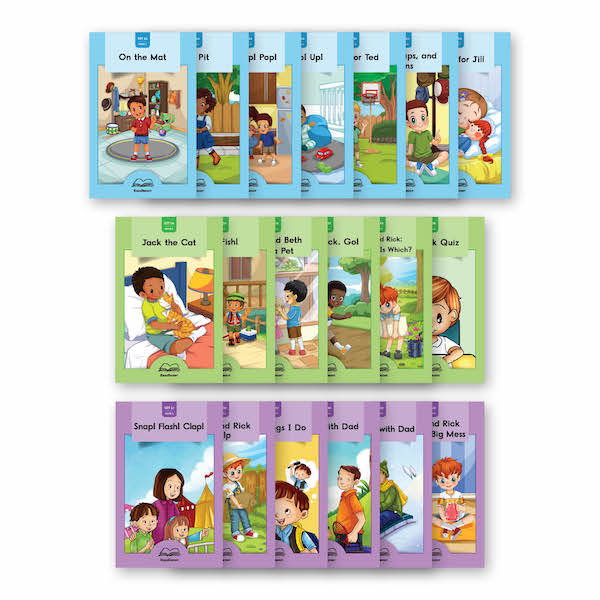
The program’s decodable readers and multisensory learning materials are specifically designed to make reading engaging and accessible for beginning readers. According to ReadBright, students using the program achieved significant gains in vocabulary and reading progress compared to peers.
While literacy alone does not determine entrepreneurial success, strong reading ability creates a critical platform for future achievement across virtually every career path.
Another important connection between literacy skills and entrepreneurship is exposure to language and storytelling. Entrepreneurs are, in many ways, storytellers. Whether they are presenting a business idea to investors, marketing a product, or leading a team, successful entrepreneurs rely heavily on communication.
Children who grow up immersed in books and rich language experiences often develop stronger narrative and persuasive communication skills over time.
Independent Learning Fuels Entrepreneurial Thinking
Reading also encourages independence and initiative. Children who read confidently can research topics, explore interests, and seek information on their own. That independent learning mindset closely mirrors the self-driven nature of entrepreneurship.
Many successful entrepreneurs are lifelong learners who continuously adapt by reading, researching, and acquiring new knowledge. Early literacy helps children develop the confidence and curiosity needed to pursue learning independently throughout life.
Importantly, early literacy support can also help close opportunity gaps. Children who struggle with reading early on may face long-term academic and economic disadvantages. Studies consistently show that early reading proficiency is closely linked to future educational and career outcomes.
Providing children with high-quality literacy instruction at a young age helps create stronger educational foundations that can expand future possibilities.
Why Early Literacy Matters Beyond the Classroom
Parents and educators can support both literacy and entrepreneurial thinking by encouraging curiosity-driven reading, storytelling activities, creative play, and problem-solving discussions. Asking children open-ended questions about stories, encouraging imaginative thinking, and exposing them to a variety of books can all help nurture communication and innovation skills.
Ultimately, entrepreneurship begins with the ability to think, communicate, and learn effectively. Early literacy provides the foundation for all three. Programs like ReadBright help children develop the reading confidence and comprehension skills that support not only academic achievement, but also many of the traits associated with future leadership, creativity, and entrepreneurial success.
Find a Home-Based Business to Start-Up >>> Hundreds of Business Listings.