











































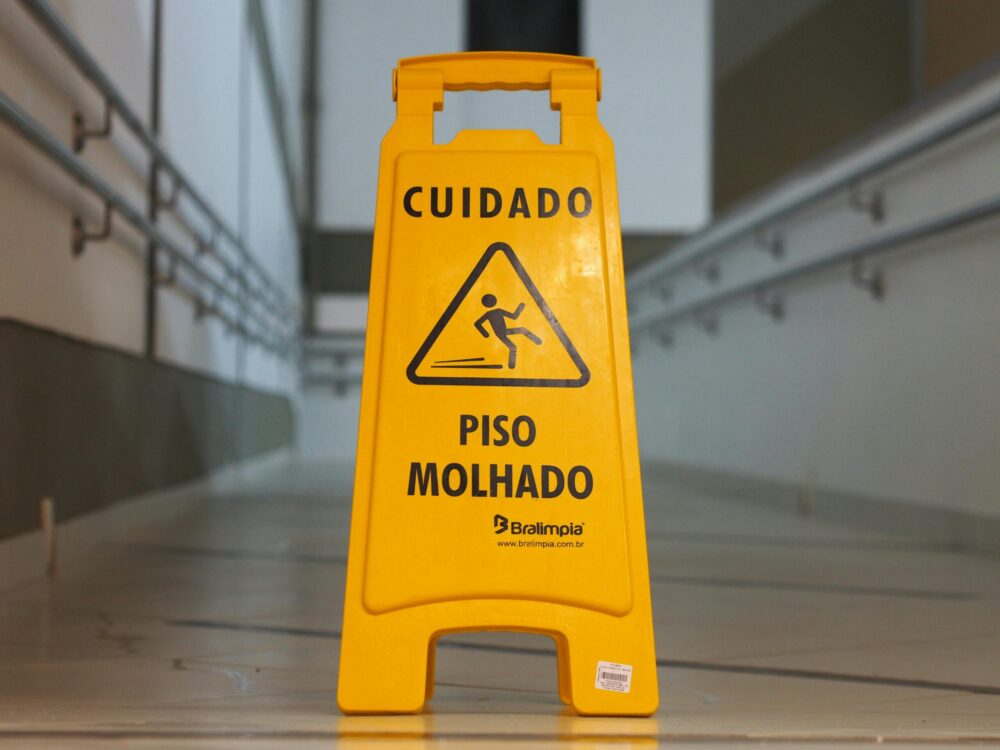
If you run a business where you sell products online, an e-commerce business, it involves a lot more than just listing products and selling them to customers (some would argue that’s the easiest bit). If your store sells certain types of goods, you may also need to consider how hazardous materials are handled, stored, and shipped. Many everyday products, from perfumes and cleaning products to lithium-ion batteries and aerosols, can fall under hazardous material classifications and may need chemical signs to protect your staff. You can find essential solutions for professionals available here.
As someone who sells online, if you deal with hazardous material, it’s important you tick all the boxes and understand that hazardous material management is essential for maintaining safety, staying compliant with regulations, and avoiding delays or penalties. With the right knowledge and processes in place, you can safely manage these products while still running an efficient business.
Below, we have put together our guide to hazardous material management for E-commerce sellers. Keep on reading to learn more and hopefully find some useful pointers to help make your business safer and more compliant – even the smallest changes can make a big difference.
What Are Hazardous Materials?
Hazardous materials, often referred to as hazmat, are substances that could pose a risk to people, property or the environment if they are not handled correctly. These materials can include anything that is flammable, toxic, corrosive, explosive or environmentally harmful.
For e-commerce sellers, this means that even products that seem relatively harmless can sometimes fall under hazardous classifications when they are transported or stored. For example, lithium batteries used in electronics can overheat if damaged, while aerosol products can become dangerous if exposed to high temperatures.
Understanding whether your products fall into any hazardous categories is the first step in ensuring they are handled correctly throughout your supply chain.
Understanding Hazard Classifications
Hazardous materials are typically grouped into categories based on the type of risk they present. These classifications help determine how products should be packaged, labelled and transported. Some substances may be classed as flammable liquids, while others may be corrosive chemicals, compressed gases, or environmentally hazardous substances. These classifications are used internationally to help ensure that everyone involved in handling or transporting the product understands the potential risks.
The Importance of Hazard Signs and Labelling
One of the simplest yet most important parts of hazardous material management is proper labelling and signs. Hazard signs are designed to quickly communicate potential risks and ensure that anyone handling a product understands what precautions need to be taken.
These symbols are widely recognised across industries and often follow global standards such as the Globally Harmonised System (GHS). Typically displayed within a red diamond, these pictograms visually represent the type of hazard associated with a product.
Documentation and Safety Information
Another key part of hazardous material management is providing the correct documentation. Many hazardous products require a Safety Data Sheet (SDS), which outlines important information about the substance. These documents typically include details about the product’s chemical composition, potential hazards, safe handling instructions and emergency procedures. They provide essential guidance for anyone who may come into contact with the product during storage, transport or use.
Training and Awareness
Even with the correct packaging and labels in place, proper training is still an important part of managing hazardous materials safely. Anyone involved in storing, packing or shipping these products should understand the risks and know how to handle them correctly.
Training may include recognising hazard symbols, understanding packaging requirements and knowing what to do in the event of a spill or accident. There are many online courses which you can sign up for, which can help with training. Online training courses are great, as your team can do them in the comfort of their own home. Alternatively, you can book face-to-face courses for staff members who prefer training sessions in a classroom-like setting.
Managing hazardous materials may sound complicated at first, but with the right knowledge and processes in place, it becomes a straightforward part of running an e-commerce business. From identifying hazardous products to using the correct packaging, labelling and documentation, each step helps ensure products are handled safely throughout the supply chain.
For online sellers, taking a proactive approach to hazardous material management not only protects employees and customers but also helps maintain compliance with shipping regulations and industry standards. Ultimately, a safe and organised approach to handling hazardous materials allows your e-commerce business to run smoothly while giving you peace of mind that your products are being managed responsibly.
What do you think is most important when dealing with hazardous materials? Which of the above points did you not know about before and found most interesting? Is there anything missing in our guide that you think we should be adding? Let us know in the comment box below. We look forward to hearing from you.
Find a Home-Based Business to Start-Up >>> Hundreds of Business Listings.


