





































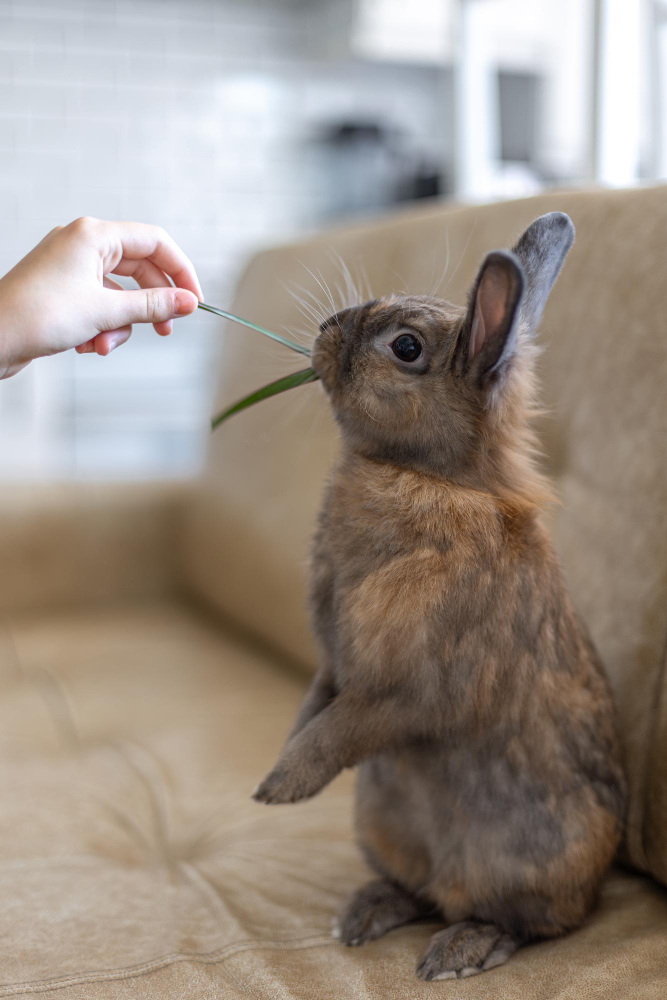
Introduction
Choosing the right rabbit food is essential for keeping your pet healthy, active, and happy. Rabbits have delicate digestive systems that require a carefully balanced diet rich in fiber, vitamins, and minerals. Feeding the wrong foods can quickly lead to serious health issues such as Gastrointestinal Stasis, a potentially life-threatening problem.
A proper rabbit diet is not just about pellets—it includes fresh hay, leafy greens, and occasional treats. Understanding what to feed your rabbit, how often to feed it, and what to avoid can make a huge difference in its lifespan and overall well-being.
This comprehensive guide covers everything you need to know about the best rabbit food, including diet structure, feeding schedules, common mistakes, and expert tips for optimal rabbit nutrition.
Quick Answer: What Is the Best Rabbit Food?
The best rabbit food consists primarily of high-quality hay (about 80%), supplemented with fresh leafy greens, a small portion of pellets, and occasional treats like fruits. Fresh water should always be available.
Understanding a Rabbit’s Natural Diet
In the wild, the rabbit naturally grazes on grasses, leaves, and plants throughout the day. This grazing behavior is essential for maintaining digestive health and preventing dental issues.
Domestic rabbits require a similar diet to replicate these natural feeding habits. A fiber-rich diet supports proper digestion and helps keep their teeth, which continuously grow, in good condition.
Hay: The Foundation of Rabbit Nutrition
Hay should make up the majority of your rabbit’s diet. It provides essential fiber that keeps the digestive system functioning properly.
Timothy hay is the most commonly recommended type because it offers the right balance of nutrients. Other options like orchard grass and meadow hay can also be included for variety.
Rabbits should have unlimited access to fresh hay at all times. This not only supports digestion but also helps prevent boredom and encourages natural foraging behavior.
Fresh Vegetables: Essential Daily Nutrition
Leafy greens are an important part of a rabbit’s daily diet. They provide vitamins, hydration, and additional fiber.
Safe vegetables include romaine lettuce, spinach, cilantro, and parsley. These should be introduced gradually to avoid digestive upset.
It’s important to wash all vegetables thoroughly and serve them fresh. Variety is key to ensuring balanced nutrition.
Pellets: Controlled Portions Only
Pellets are a concentrated source of nutrients but should be given in moderation. Overfeeding pellets can lead to obesity and digestive problems.
Choose high-quality pellets that are high in fiber and free from added sugars or artificial ingredients. The quantity should be adjusted based on the rabbit’s size and age.
Pellets should complement the diet, not replace hay or vegetables.
Fruits and Treats: Occasional Only
Fruits can be given as treats but should be limited due to their sugar content. Small pieces of apple, banana, or berries are suitable options.
Treats should never exceed a small portion of the daily diet. Overfeeding sugary foods can disrupt digestion and lead to health issues.
Foods to Avoid
Certain foods are harmful or even toxic to rabbits. Iceberg lettuce, chocolate, onions, and processed human foods should never be fed.
These foods can cause digestive problems or more serious health complications. Always research before introducing new foods into your rabbit’s diet.
Comparison Table: Types of Rabbit Food
| Food Type | Importance | Frequency | Benefits |
|---|---|---|---|
| Hay | Essential | Unlimited | Supports digestion & dental health |
| Vegetables | High | Daily | Provides vitamins & hydration |
| Pellets | Moderate | Limited | Adds nutrients |
| Fruits | Low | Occasional | Treats only |
This table highlights the importance of balancing different food types for optimal rabbit health.
Feeding Schedule for Rabbits
Rabbits thrive on routine. Hay should be available at all times, while vegetables can be given once or twice daily. Pellets should be measured and provided in controlled portions.
Fresh water must always be accessible, either in a bowl or a bottle. Consistency in feeding times helps maintain a healthy digestive system.
Common Mistakes to Avoid
One of the most common mistakes is feeding too many pellets and not enough hay. This can lead to obesity and digestive issues.
Another mistake is introducing new foods too quickly, which can upset the rabbit’s stomach. Gradual changes are always safer.
Ignoring water intake is also a problem. Rabbits need constant access to clean, fresh water to stay hydrated and healthy.
Best Practices for a Healthy Rabbit Diet
Always prioritize hay as the main component of your rabbit’s diet. Rotate vegetables to provide a variety of nutrients and prevent boredom.
Monitor your rabbit’s weight and behavior to ensure it is receiving proper nutrition. Any sudden changes in appetite or activity should be addressed immediately.
Maintaining cleanliness in feeding areas is also important to prevent contamination and illness.
Expert Insights
Veterinarians specializing in small animals emphasize the importance of fiber in a rabbit’s diet. High-fiber intake reduces the risk of digestive disorders and supports overall health.
They also recommend regular health check-ups to ensure your rabbit’s diet is meeting its nutritional needs.
Real-World Use Case
For a new rabbit owner, understanding diet can be overwhelming. By following a structured feeding plan—unlimited hay, daily vegetables, and limited pellets—you can ensure your rabbit stays healthy and active.
This approach simplifies feeding while providing all the nutrients your pet needs.
Expert Tip
If your rabbit stops eating hay, it could be an early sign of digestive issues. Always monitor eating habits closely and consult a veterinarian if you notice changes.
Key Takeaways
- Hay should make up about 80% of a rabbit’s diet
- Fresh vegetables provide essential nutrients daily
- Pellets should be limited and high quality
- Fruits are occasional treats only
- A balanced diet prevents digestive and dental problems
FAQs
1. What is the most important food for rabbits?
Hay is the most important part of a rabbit’s diet because it provides essential fiber for digestion and helps maintain dental health. Rabbits should have unlimited access to fresh hay at all times to support their natural grazing behavior.
2. Can rabbits eat vegetables every day?
Yes, rabbits can eat fresh leafy vegetables daily as part of a balanced diet. These vegetables provide vitamins, minerals, and hydration, but they should be introduced gradually and varied to avoid digestive issues.
3. Are pellets necessary for rabbits?
Pellets are not the main food but can be included in small amounts to provide additional nutrients. High-quality pellets should be chosen, and overfeeding should be avoided to prevent obesity and health problems.
4. What foods are dangerous for rabbits?
Foods like chocolate, onions, iceberg lettuce, and processed human foods are harmful to rabbits. These can cause digestive problems or serious health risks and should always be avoided.
5. How often should I feed my rabbit?
Rabbits should have constant access to hay, while vegetables can be given once or twice daily. Pellets should be provided in measured portions, and fresh water must always be available.
6. Can rabbits eat fruit regularly?
Fruits should only be given occasionally as treats due to their high sugar content. Small portions are safe, but overfeeding can lead to digestive issues and weight gain.
Find a Home-Based Business to Start-Up >>> Hundreds of Business Listings.