









































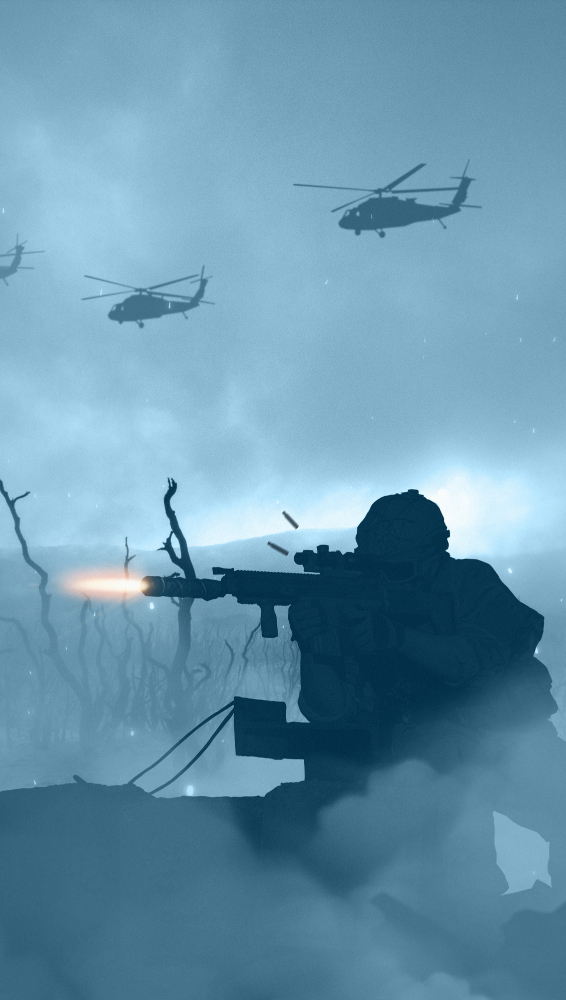
Introduction
The phrase “how to play warfare” has taken on new meaning in 2026, especially in the context of rising tensions in the Strait of Hormuz. Modern warfare is no longer just about troops and weapons—it involves strategy, technology, economics, and geopolitical positioning. In this HBM guide, we break down how warfare works today, using U.S. military strategy in one of the world’s most critical chokepoints as a real-world example.
Quick Answer: What Does “Playing Warfare” Mean?
Short Answer:
“Playing warfare” refers to understanding and applying military strategy, resource control, and tactical decision-making in conflict scenarios.
Core Elements:
- Strategy and planning
- Resource management
- Technology and intelligence
- Geographic positioning
Key Takeaways
- Modern warfare combines military, economic, and cyber strategies
- The Strait of Hormuz is a critical global energy chokepoint
- The U.S. focuses on deterrence and naval dominance
- Technology plays a major role in warfare today
- Conflicts are increasingly hybrid and multi-dimensional
Why the Strait of Hormuz Matters
The Strait of Hormuz is one of the most important waterways in the world:
- Handles ~20% of global oil supply
- Connects the Persian Gulf to international markets
- Critical for global energy security
Any disruption can:
- Spike oil prices
- Impact global economies
- Trigger military responses
Understanding Modern Warfare Strategy
1. Deterrence Strategy
The U.S. aims to prevent conflict by:
- Maintaining strong military presence
- Demonstrating capability and readiness
2. Naval Dominance
The United States Navy plays a key role:
- Aircraft carriers
- Destroyers and submarines
- Maritime patrol operations
3. Intelligence & Surveillance
Modern warfare relies heavily on:
- Satellites
- Drones
- Cyber intelligence
4. Economic Warfare
Sanctions and trade restrictions:
- Pressure adversaries without direct conflict
- Influence geopolitical outcomes
Step-by-Step: How Warfare Strategy Is Executed
1. Situation Analysis
Assess threats, geography, and political context.
2. Resource Deployment
Position military assets strategically.
3. Tactical Planning
Develop short-term and long-term strategies.
4. Execution
Carry out operations while adapting to changes.
Comparison: Traditional vs Modern Warfare
| Feature | Traditional Warfare | Modern Warfare |
|---|---|---|
| Focus | Land battles | Multi-domain |
| Technology | Limited | Advanced (AI, drones) |
| Speed | Slower | Real-time |
| Strategy | Military-only | Hybrid (economic + cyber) |
Real-World Use Cases
Strait of Hormuz Tensions
- Naval patrols ensure safe oil transport
- Military presence deters potential threats
- Rapid response capability prevents escalation
Global Conflicts
Modern warfare strategies apply to:
- Cyber warfare
- Trade conflicts
- Regional military tensions
Expert Insights
Statistics & Strategic Data
- ~20% of global oil passes through Hormuz
- U.S. maintains one of the largest naval forces globally
- Cyber warfare spending is increasing annually
Common Mistakes in Understanding Warfare
- Thinking warfare is only physical combat
- Ignoring economic and cyber dimensions
- Underestimating geography
- Oversimplifying global conflicts
Best Practices for Understanding Warfare Strategy
- Study geopolitical contexts
- Understand resource dependencies (oil, trade)
- Follow military and economic developments
- Analyze multiple dimensions of conflict
Expert Tip
Think beyond the battlefield.
In 2026, wars are won through data, economics, and influence—not just weapons.
FAQ Section
1. What does “how to play warfare” mean?
It refers to understanding and applying military strategies, including planning, resource management, and tactical execution in conflicts.
2. Why is the Strait of Hormuz important?
It is a critical global oil route, handling around 20% of the world’s oil supply, making it strategically vital.
3. What role does the US Navy play?
The US Navy ensures maritime security, deters threats, and maintains control over key global waterways.
4. What is modern warfare?
Modern warfare includes military, cyber, and economic strategies, using advanced technology and intelligence systems.
5. How does economic warfare work?
It involves sanctions, trade restrictions, and financial pressure to weaken opponents without direct conflict.
6. Why is technology important in warfare?
Technology enables real-time intelligence, precision targeting, and cyber capabilities, making warfare more efficient and strategic.
Find a Home-Based Business to Start-Up >>> Hundreds of Business Listings.