









































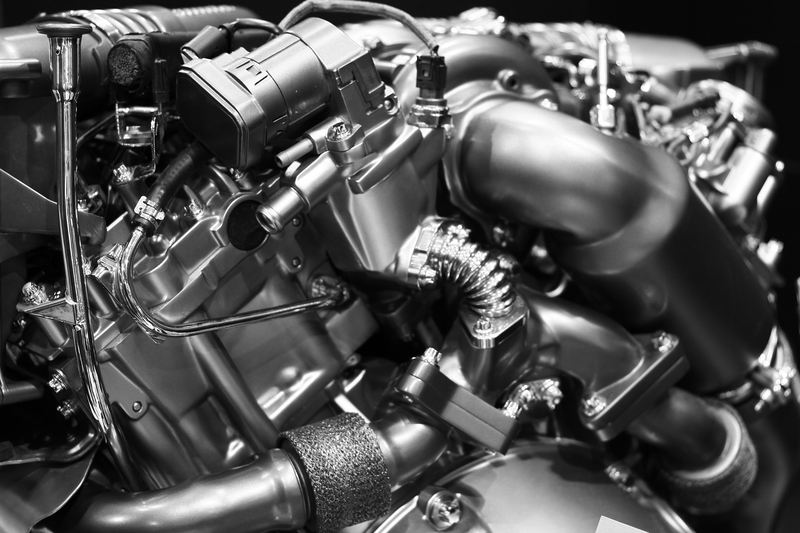
Diesel technology has changed a lot in the last decade. The core mission is the same, deliver dependable torque, long service life, and predictable uptime. What has evolved is how manufacturers and operators chase that performance without paying for it in fuel burn, emissions headaches, or maintenance surprises. Today, innovation is less about one “magic” component and more about systems that work together, combustion control, air management, aftertreatment, and smarter diagnostics. In this article, we’ll look at what is pushing diesel forward and what it means for real world operations that depend on a strong diesel engine every day.
What’s Driving Diesel Innovation Right Now
Detroit 671 diesel engine is a name that reminds people what durability looked like in earlier eras, simple, robust, and built to run. The modern reality is that the mission has expanded. Operators still need power and longevity, but they also need better diesel engine efficiency, cleaner operation, and lower total cost of ownership. Regulations have accelerated this shift, but the biggest pressure point for many fleets is still economics, fuel spend, downtime, and the cost of unplanned repairs.
Fuel also changed the conversation. Diesel fuel prices fluctuate, and even small improvements in consumption can add up over a year of hard use. At the same time, many owners are asked to hit sustainability goals without compromising performance. That pushes manufacturers to squeeze more work out of every drop of diesel, while designing systems that can stay reliable under demanding duty cycles.
Smarter Combustion, High Pressure Fuel Systems and Precision Control
Combustion is where efficiency begins. Modern injection systems deliver fuel at very high pressures and can fire multiple injection events per cycle. That allows engineers to shape the burn, control noise, and reduce soot formation. The result is more complete combustion and better use of energy that would otherwise become waste heat.
Electronics play a major role here. Control units adjust fueling based on load, temperature, altitude, and transient conditions, which helps keep performance consistent. When a diesel engine can respond precisely to changing demand, it avoids inefficient “over fueling” moments that increase smoke and consumption. This is one of the biggest reasons newer designs can produce strong torque while still improving diesel engine efficiency.
Air Management Upgrades, Turbocharging, Boost Control, and Thermal Efficiency
Air handling is the other half of the equation. Turbocharging is not new, but modern systems manage boost more intelligently and over a wider operating range. Better boost control improves low end response, supports higher cylinder pressures safely, and reduces lag under load changes.
Charge air cooling and airflow optimization also matter. Cooler, denser air improves combustion quality and helps reduce the conditions that create soot. In practical terms, a well-managed air system lets the engine make power with less diesel fuel, because it burns the fuel more effectively. When you look at performance gains in modern platforms, a lot of it comes from refined air management paired with advanced fueling strategies.
Aftertreatment Improvements, Meeting Emissions Without Killing Uptime
Modern emissions systems can feel like a tradeoff if they are not maintained well, but the technology itself has improved. Aftertreatment is typically a chain of components that manage different pollutants, and the goal is to control emissions without constant interruptions.
Better sensors, improved dosing control, and smarter regeneration strategies help reduce unnecessary regens and prevent problems that lead to derates. The key is that aftertreatment does not work in isolation. It depends on combustion quality, fuel quality, and proper operating habits. A well maintained diesel engine paired with the right service discipline can keep aftertreatment reliable and predictable, which protects uptime.
Reducing Losses, Friction, Weight, and Heat
Efficiency is not only about combustion. Engineers also target losses inside the engine. Lower friction coatings, improved oils, and tighter component control reduce energy wasted to internal drag. Cooling systems have also gotten smarter. Thermal management aims to keep the engine in an efficient temperature window while protecting components under heavy loads.
Weight reduction is approached carefully, because durability still matters. The best gains come from optimizing components and systems rather than chasing lightness at the expense of life cycle. The practical outcome is an engine that does the same work with less wasted energy and less stress, which supports diesel engine efficiency over the long term.
Digital Diesel, Telematics, Diagnostics, and Predictive Maintenance
One of the biggest innovations is visibility. Telematics and onboard diagnostics help operators see trends before they become breakdowns. Instead of reacting to a failure, teams can monitor temperatures, pressures, regen frequency, and fault patterns, then plan service at the right time.
This changes maintenance from calendar based to condition based. When that is implemented well, it reduces downtime and prevents secondary damage. Digital tools also support better operator training, because you can link habits to outcomes, like how idle time affects regen behavior, or how fuel quality impacts performance. In many operations, better data is as valuable as a hardware upgrade.
Find a Home-Based Business to Start-Up >>> Hundreds of Business Listings.