







































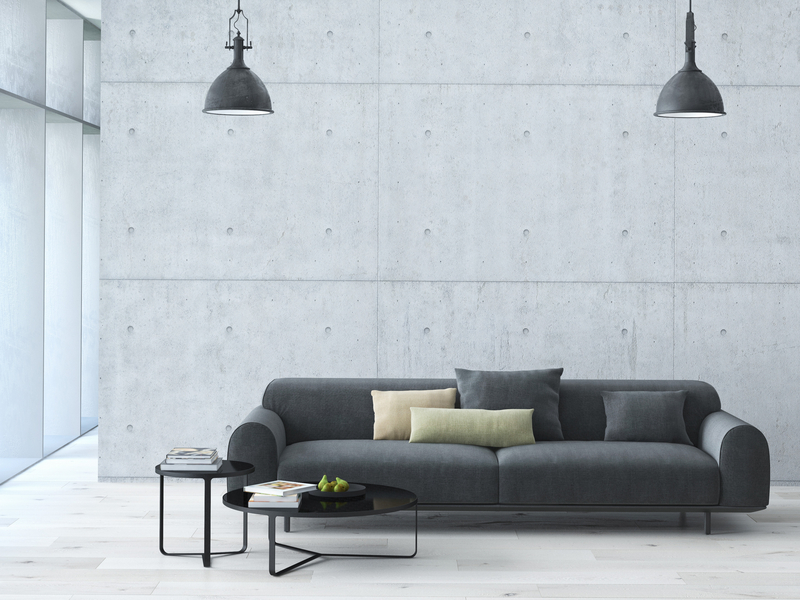
Minimalism has long been associated with calm, clarity and intentional living. Yet for many homeowners, there’s a fine line between a minimalist living room that feels serene and one that feels stark or unfinished. The key lies not in removing everything, but in carefully curating what remains.
A truly successful minimalist space balances restraint with warmth. It prioritises quality over quantity, texture over clutter, and thoughtful design over trend-chasing. Foundational pieces, such as beautifully crafted Scandinavian sofas, can anchor the room with both comfort and quiet sophistication. From there, it’s about layering subtle detail in a way that feels cohesive and lived-in.
Here’s how to create a minimalist living room that feels inviting, refined and distinctly Australian in its relaxed sensibility.
Start with a Strong, Simple Foundation
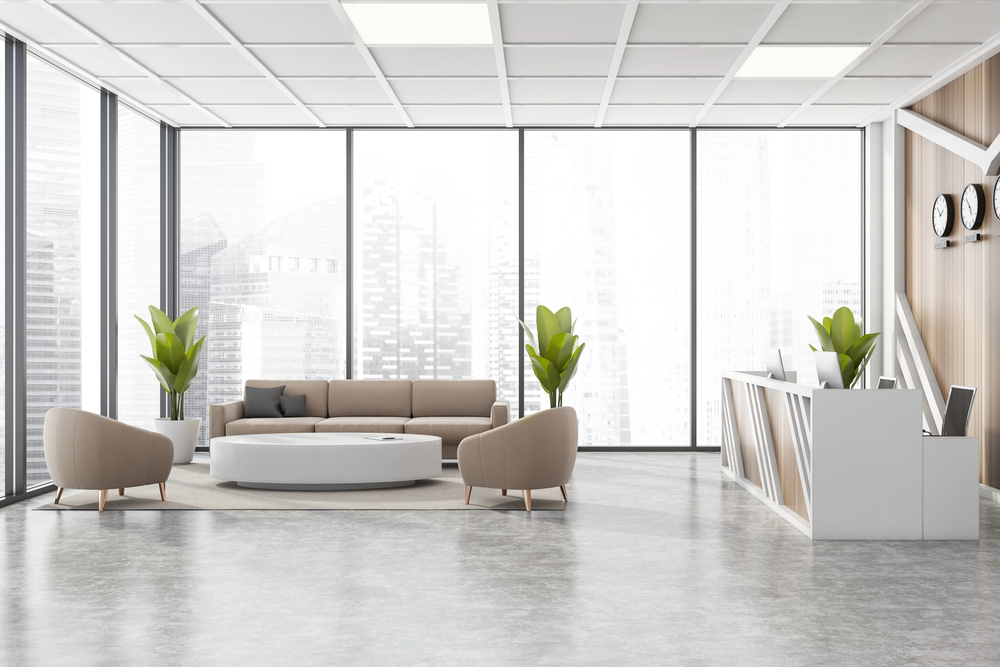
Every minimalist living room begins with a clear base. Think neutral walls, uncluttered surfaces and a restrained colour palette. Whites, soft greys, warm beiges and muted earthy tones work beautifully in Australian homes, particularly when paired with natural light.
That being said though, “neutral” does not mean cold. Consider warm undertones rather than stark whites. Creams, oat tones and gentle clay hues add softness without overwhelming the simplicity of the space.
Flooring also plays a crucial role. Timber floors, polished concrete or light-toned engineered boards introduce subtle texture while keeping the aesthetic clean.
Invest in Statement Pieces (Not Excess Pieces)
Minimalism is not about having less furniture; it’s about having the right furniture. Rather than filling a room with multiple smaller items, choose one or two high-quality, well-proportioned pieces that command quiet attention.
A generous sofa with clean lines, a sculptural armchair, or a solid timber coffee table can provide visual interest without adding clutter. The scale should feel deliberate — not oversized, but substantial enough to avoid the room feeling sparse.
When selecting furniture:
- Opt for clean silhouettes.
- Avoid overly ornate detailing.
- Prioritise craftsmanship and natural materials.
- Choose pieces that feel comfortable, not purely decorative.
Comfort is essential. A minimalist room that looks pristine but feels uninviting defeats the purpose.
Layer Texture for Warmth
One of the biggest mistakes in minimalist design is neglecting texture. Without it, a space can quickly feel flat or sterile. To prevent this:
- Add a textured wool or jute rug
- Incorporate linen or cotton throws
- Choose cushions in subtle, tonal fabrics
- Introduce timber, stone or ceramic accents
The beauty lies in variation within a tight palette. For example, pairing a soft linen sofa with a chunky knit throw and a raw timber coffee table creates depth without introducing visual noise. Texture provides interest where colour is restrained.
Use Negative Space Intentionally
Empty space is not wasted space — it’s breathing room. In minimalist interiors, negative space allows key pieces to shine. Instead of filling every wall:
- Leave areas intentionally blank
- Hang one oversized artwork rather than a gallery wall
- Allow space around furniture so it doesn’t feel crowded
This deliberate restraint creates calm. The eye has somewhere to rest, which enhances the overall sense of balance.
Introduce Subtle Personality
Minimalism does not require stripping away personality. In fact, the most compelling minimalist spaces often feel deeply personal. Select a few meaningful items:
- A ceramic bowl collected on travels
- A framed black-and-white photograph
- A carefully styled stack of design books
- A sculptural floor lamp
The rule is simple: curate, don’t accumulate. If an object doesn’t serve a purpose or spark genuine appreciation, it doesn’t belong in the space.
Bring Nature Indoors
Natural elements are essential in preventing minimalism from feeling sterile. Consider:
- A large indoor plant in a simple pot
- A vase of fresh eucalyptus
- Timber side tables
- Woven baskets for subtle storage
In Australian homes especially, embracing natural light and organic materials creates warmth while maintaining simplicity. Even one statement plant can soften sharp lines and introduce life into the room.
Choose Lighting Carefully
Lighting can make or break a minimalist living room. Layer your lighting thoughtfully:
- Ambient lighting (overhead or recessed)
- Task lighting (floor or table lamps)
- Accent lighting (wall sconces or subtle LED strips)
Warm white bulbs are crucial. Cool-toned lighting can make a pared-back space feel clinical, while warmer tones create an inviting glow, especially in the evenings. A sculptural lamp with a clean form can also double as a design feature without adding clutter.
Embrace Storage Solutions
Clutter is the enemy of minimalism, but everyday living requires practical solutions. Hidden storage keeps the room functional without compromising aesthetics:
- Closed cabinetry instead of open shelving
- Coffee tables with concealed compartments
- Slim console units with drawers
The goal is not to remove everything you own, but to ensure that what’s visible is intentional.
Keep the Palette Cohesive
Restraint in colour ensures the room feels harmonious rather than fragmented. Choose:
- One primary neutral
- One secondary tone
- One subtle accent (if desired)
For example, warm white walls, natural oak furniture and muted charcoal accents can create a layered yet unified look. Repeating materials and tones throughout the space helps maintain continuity.
Creating a minimalist living room without it feeling empty is about balance
It’s not about deprivation or austerity — it’s about intention. By investing in well-crafted foundational pieces, layering texture, embracing negative space and incorporating natural elements, you can achieve a space that feels calm yet welcoming.
Minimalism, when executed thoughtfully, is less about having fewer things and more about having better things. And when every piece earns its place, the result is a living room that feels effortlessly refined, quietly luxurious and deeply comfortable… never empty.
Find a Home-Based Business to Start-Up >>> Hundreds of Business Listings.