







































Designing a productive workspace is much more than just squeezing as many people as possible into a given space. It’s about creating an environment that helps people not just get by but actually thrive. Helps them feel good about coming to work every single day.
But how do you achieve that? Well, it starts by thinking carefully about how you lay out your space and choosing furniture that makes sense. That means office furniture that’s not only comfortable but also actually ergonomic. When you put those elements together in just the right way, it feels like a real treat to be in that productive workspace.
The Importance of Workspace Layout
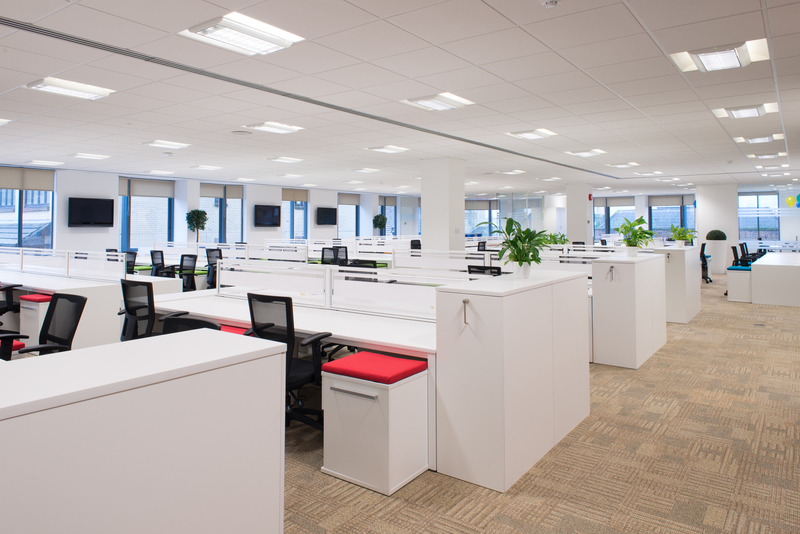
You know that old saying – “environment is everything”. It’s quite true. Imagine trying to focus in a cramped, dingy room with no natural light. Obviously, it won’t contribute to productive work. But take a well-laid-out office with some decent furniture and plenty of space to spread out, and you’ll be amazed at how much more focused and energised you feel.
A well-designed workspace also sends another important message – that you actually care about the well-being of the people who work for you. When you put some real thought into the layout, the furniture and the actual workspace, you’re creating a space that feels not just productive but welcoming and even a little bit fancy. And if your staff feel good in their environment, you can bet your bottom dollar they’ll do some of their best work with confidence and with regularity.
Essential Office Furniture
Choosing quality office furniture is crucial in creating a workspace that really gets the job done. It’s not just about placing a few desks and chairs in a room; it’s about getting pieces that make everyone feel more comfortable, work more efficiently and suit how the team actually works daily.
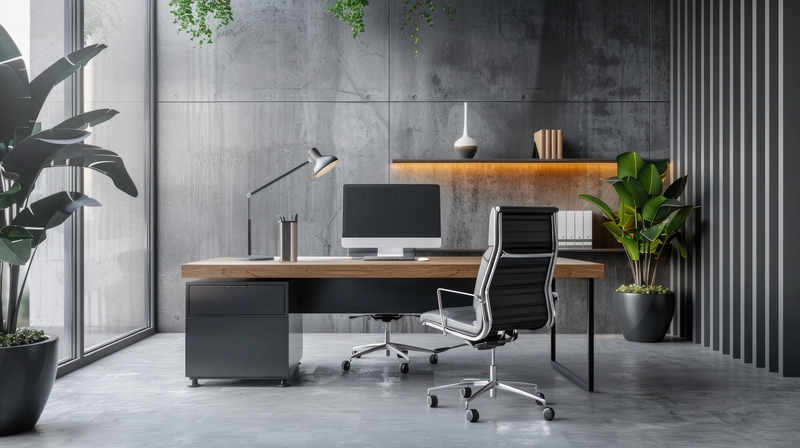
Desks are the heartbeat of any office. Standard rectangular desks are a popular choice for individual workstations, but corner or L-shaped desks are a real space-saver and give you that bit more surface area. Then there are bench desks, which are perfect for open-plan areas where collaboration is key, and adjustable desks, which let employees switch between sitting and standing all day long. When shopping for desks, think about how much floor space you’ve got available, how you’ll manage cables and whether you need some extra storage.
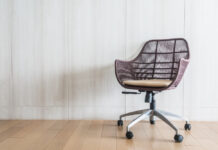
Office chairs are just as important. Good ergonomic chairs with adjustable seat height, support for your lower back and armrests can really make a big difference if you’re sitting at your desk for hours on end. Task chairs are great for smaller workstations, while executive chairs offer that bit of extra comfort and support for when you’re on a long stint at your desk. The thing is, investing in proper chairs isn’t just about feeling comfy; it can actually help prevent fatigue and back problems in the long run.
But it’s not just about desks and chairs. Storage solutions are really key to keeping your workspace tidy and organised. Filing cabinets, pedestal drawers and shelving units make sure your documents and kits are easy to find while keeping clutter at bay. And let’s not forget about meeting tables, breakout seating and reception furniture – they all depend on the layout of your office and whether you’re going to be seeing clients in there.
When you’re buying furniture for the office, put functionality first. Think about how comfy and durable each piece is and how it fits in with your overall layout. Measure your space very carefully, think about how things might change in the future and go for designs that are both practical and look the part.
Space Organisation and Optimisation
Whether your office is big or small, the way you use the space can make all the difference to productivity. Instead of just cramming in as many desks as possible, effective space planning considers the way people work, the team structure and how employees will use the space throughout the day.
First, try to identify the different areas of the office that you need. Places for quiet, focused work, areas for meeting or brainstorming, and spaces for informal discussions all serve different purposes. Try to position workstations so they get as much natural light as possible and make sure there’s enough space between the desks for people to move round and keep their sanity. Clever furniture choices, like modular desks, compact storage units and multi-purpose pieces, can help you make the most of every bit of productive workspace without making the place feel cramped.
Personalisation
Whether you like bright colours to liven up a room or calm neutral tones to help people focus, office furniture comes in a wide range of styles to suit your taste. Plus, things like adjustable desk heights, chair settings and moveable components all help make your workspace feel like it’s really yours.
Lighting and Greenery
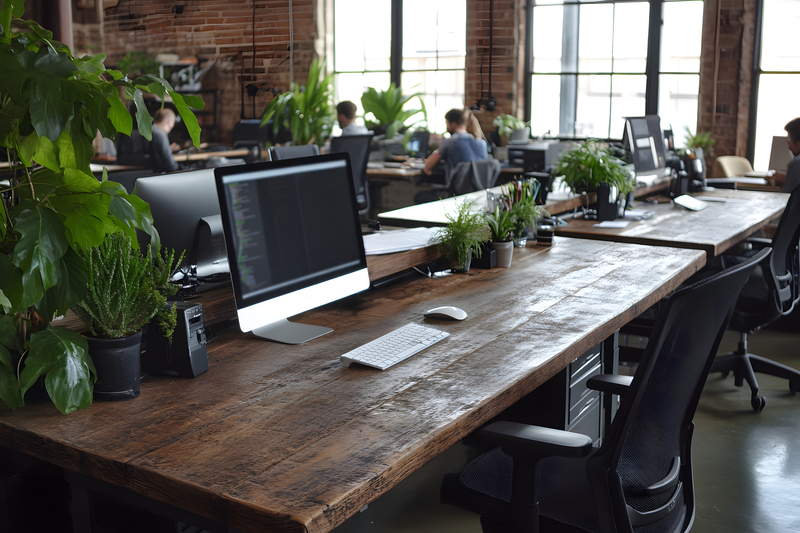
Lighting can be a major factor in how productive and energised you feel throughout the day. Whenever possible, let’s make the most of natural light – it’s a real game-changer when it comes to regulating energy levels, reducing eye strain and generally boosting your mood. Positioning your desk near a window and making use of glass partitions can really help spread the daylight around your office. Okay, so in places where natural light is in short supply, you can’t beat a layered lighting system – a mix of overhead LEDs, task lights and ambient fixtures will create a balanced, comfortable brightness that lets you focus without getting distracted by glare or eye fatigue.
Greenery is another simple yet powerful way to take your workspace to the next level. Adding some plants can bring a sense of calm, a welcome visual boost, and even help with the air quality.
Office Space Planning: Key Questions Answered
What’s The Basic Breakdown Of Office Layout Options?
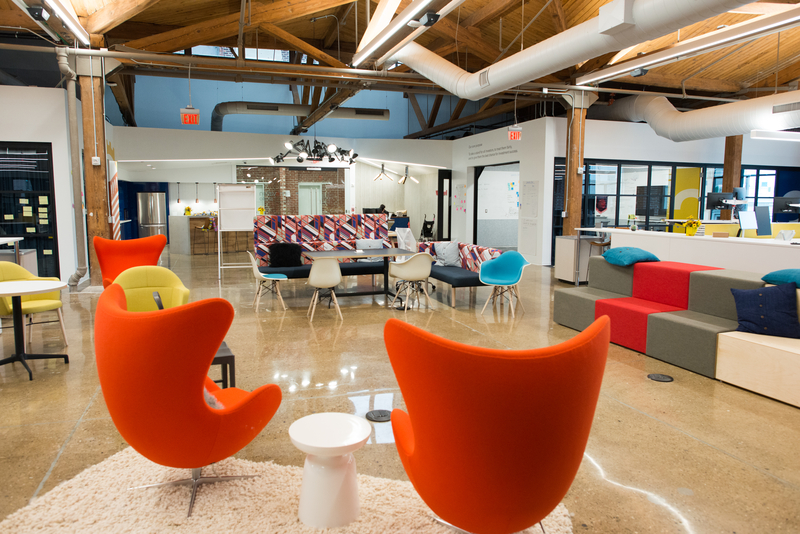
Traditionally, offices tended to follow three basic layouts: open-plan spaces, closed or cellular offices and the hybrid designs that bring private and collaborative areas together. These days, you come across even more options, like hot-desking and co-working, activity-based setups and other flexible arrangements that cater to the way people work.
How Much Space Should We Be Allocating Per Person?
Most of the time, offices will allocate around 5-10m² of floor space per person, depending on what sort of mix of desks, collaboration areas and storage you need. If you’ve got a hybrid team, you’ll probably need less fixed desk space. What the experts say is that you should be looking at a room volume of at least 11m³ per person, roughly.
What’s The Minimum Walkway Width We Should Be Thinking About?
Walkways should be a pretty comfortable 1.2m wide to allow people to move around easily and make sure that wheelchair users can get around too. If you’ve got high-traffic routes or paths for deliveries, then you may need a bit productive workspace. Just make sure to check the fire safety and accessibility regulations to make sure you’re not breaking any rules.
How Much Space Should We Leave Between Desks?
A good starting point is to leave 1-1.2m between desks so that people can pull their chairs out and move about without getting in each other’s way.
How Much Storage Space Do We Need Per Person?
A typical rough guideline to work with is around 0.5-1m³ of storage per person. If you’re a digital-first or paper-free kind of outfit, you’ll need a lot less, while traditional offices with loads of paperwork will need more.
Find a Home-Based Business to Start-Up >>> Hundreds of Business Listings.