






































The first warm Saturday in March hits North Carolina and everybody turns into a lawn care warrior. The mower comes out, the mulch gets bought, and someone in the neighborhood is already pressure washing their driveway at 7 AM. But before you crank up the sprinkler system and hook the hose back up to the spigot, there’s something you need to do first — check your outdoor plumbing.
Winter in North Carolina might not be Minnesota-level brutal, but it does enough damage. Those random cold snaps that drop into the teens and low twenties — the ones that last just long enough to catch you off guard — can crack pipes, damage hose bibs, and wreck irrigation lines without leaving any visible evidence. Everything looks fine on the outside. Then you turn on the water and suddenly your crawl space is a swimming pool.
If you’re a homeowner in Cary, Raleigh, Apex, Durham, or anywhere in the Triangle, here’s your complete checklist of outdoor plumbing before spring officially kicks off.
Start With the Hose Bibs (Your Outdoor Faucets)
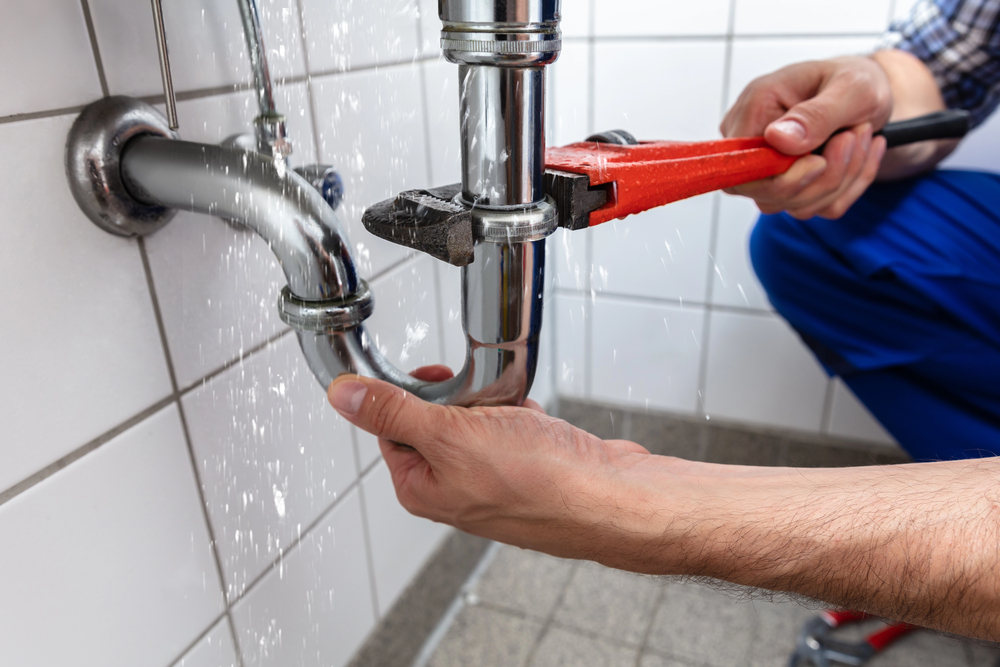
Hose bibs are the number one casualty of North Carolina winters, and the worst part is that the damage is almost always invisible. Here’s what happens: water sitting inside the faucet or the pipe just behind it freezes during a cold snap. When water freezes, it expands. That expansion cracks the pipe or the fitting internally. But because the crack is inside the wall or behind the faucet body, you won’t see a single thing wrong until you turn the water on.
To check your hose bibs, start by making sure all hoses are disconnected (if you left one connected all winter, that’s likely where the problem is). Turn the faucet on slowly. Walk inside and check the wall behind the faucet, the crawl space below it, and any accessible pipe runs leading to it. You’re looking for dripping, pooling, or damp spots. Even a small wet patch on the wall means something cracked and needs attention before it becomes a bigger issue.
If you have frost-free hose bibs (the kind with a long stem that shuts water off deeper inside the wall), these aren’t immune either. They only work correctly if no hose is attached during winter. A connected hose traps water inside and defeats the entire purpose of the frost-free design. We see this constantly across the Triangle.
Inspect Your Sprinkler and Irrigation System
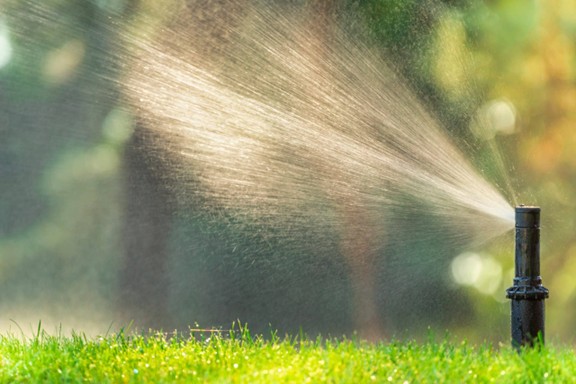
If you have an in-ground sprinkler system, do not just flip it on and hope for the best. Irrigation lines are buried shallow enough that North Carolina’s freeze-thaw cycles can crack fittings, pop joints loose, and damage sprinkler heads — especially if the system wasn’t properly winterized (blown out) in the fall.
The right way to start up a sprinkler system in spring is slowly. Open the main water valve to the system gradually — not all at once. A sudden rush of water pressure into lines that may have damage can turn a small crack into a full blowout. Once water is flowing, run each zone one at a time and physically walk the yard watching every sprinkler head. You’re looking for heads that aren’t popping up, zones with low pressure (which could indicate an underground leak), and any areas where water is bubbling up from the ground where it shouldn’t be.
Also check your backflow preventer — the device that keeps irrigation water from flowing backward into your home’s drinking water supply. North Carolina requires backflow preventers on irrigation systems, and they need to be tested annually. If yours was exposed to freezing temps without insulation, it may have cracked. A damaged backflow preventer is both a code violation and a health hazard, which is why checking your outdoor plumbing is essential before turning on your system.
Check Your Outdoor Drains and Drainage
While you’re walking the yard, take a look at any outdoor drains, French drains, or catch basins on your property. Winter dumps a season’s worth of leaves, pine needles, and debris into these systems. If they’re clogged going into spring, the first heavy rain is going to send water right toward your foundation instead of away from it.
Clear any visible debris from drain grates. If you have a French drain system, check the exposed ends of the pipe for blockages. And while you’re at it, make sure your gutters and downspouts are directing water at least three to four feet away from the house. North Carolina’s clay soil doesn’t absorb water quickly, so every bit of drainage direction matters.
If you notice standing water in areas of your yard that didn’t have drainage issues before, something may have shifted over the winter. Soil settling, root growth, or grading changes can redirect water flow in ways that create new problems for your foundation and plumbing, making sure to check your outdoor plumbing is more important than ever.
Don’t Forget the Water Heater (Yes, It Counts)
Your water heater just worked harder than any other appliance in your house for four straight months. It’s been heating colder incoming water from November through February, running longer cycles, and burning more energy than it does the rest of the year. Spring is the ideal time to flush the tank and clear out the sediment that’s been building up.
Sediment buildup is the silent killer of water heaters. It settles at the bottom of the tank, insulates the water from the heating element, and forces the unit to work harder to get the same result. That means higher energy bills, shorter equipment life, and eventually a complete failure — usually at the worst possible time. A quick flush in March can add years to your water heater’s life.
If your water heater is in a garage, crawl space, or any area that was exposed to near-freezing temperatures this winter, check for any signs of leaking, corrosion, or damage to the supply lines. Even tankless units aren’t immune to freeze damage if they’re installed in unheated spaces.
The Stuff Nobody Thinks About
There are a few outdoor plumbing items that fly completely under the radar until they cause a problem. Outdoor kitchens and wet bars with plumbing — if you didn’t winterize those lines, check them before your first cookout. Pool supply and return lines — cracks from freeze damage won’t show until the pool is filled and pressurized. Even detached garage or workshop sinks that run off your main water supply can harbor hidden leaks.
Basically, if water runs to it and it’s outside or in an unheated space, it needs to be checked before you start using it this spring. The five minutes it takes to inspect each fixture is nothing compared to the cost of repairing water damage you didn’t catch in time.
When to Call a Professional
Some of this checklist is straightforward enough for any homeowner to handle. Disconnecting hoses, checking for visible leaks, clearing drain grates — that’s all fair game. But there are situations where you need a licensed plumber, and trying to DIY it will cost you more in the long run.
If you find water leaking behind a wall from a damaged hose bib, that’s a repair that involves cutting into the wall and replacing pipe — not a weekend project. If your irrigation system has an underground leak causing low pressure or soggy spots in the yard, locating and repairing that line requires professional tools and experience. If your backflow preventer is damaged, replacement and re-testing need to be done by a certified professional to meet North Carolina code.
For any outdoor plumbing repair in the Triangle area, Unlimited Plumbing has you covered. We handle everything from hose bib replacements and irrigation line repairs to full outdoor plumbing inspections. We’ve been doing this long enough to know exactly where North Carolina winters hit hardest — and we know what to look for before it becomes an emergency.
Make It Part of Your Spring Routine
The best way to prevent outdoor plumbing disasters is to build checking your outdoor plumbing into your spring routine, just like mowing the lawn for the first time or cleaning out the garage. Pick a Saturday in early March—right around Daylight Saving Time—and walk the property. Check every faucet, every drain, every exposed pipe. It takes less than 30 minutes, and it can save you thousands.
And if something doesn’t look right, don’t wait. Spring rain in North Carolina doesn’t care about your schedule. The storms are coming whether your plumbing is ready or not. Better to find the problem now than discover it when your basement smells like a swamp and your yard looks like a rice paddy.
Give Unlimited Plumbing a call at (919) 300-0092 to schedule a spring plumbing inspection, or book online. We serve Cary, Raleigh, Apex, Durham, Chapel Hill, Holly Springs, Garner, Knightdale, Wake Forest, Morrisville, Wendell, and the entire Triangle area.
Find a Home-Based Business to Start-Up >>> Hundreds of Business Listings.