





































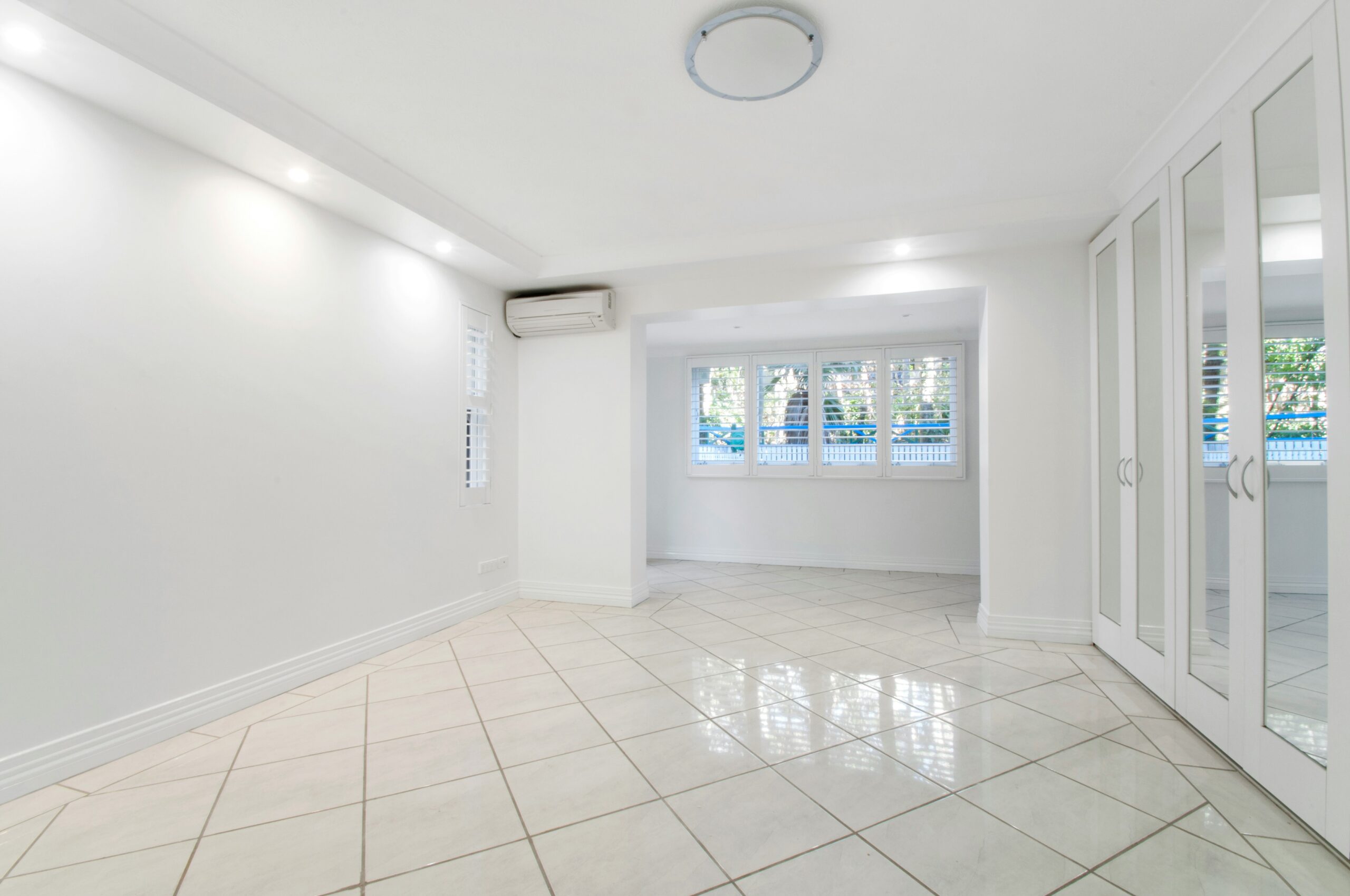
Sydney’s homes sit across dramatically varied microclimates. From salt-laden breezes along the coast to high-density inner-city heat pockets, the environment plays a powerful role in how materials perform over time. Tiles, once chosen primarily for style, are now being specified with durability, moisture resistance, and thermal performance firmly in mind.
For every experienced Sydney tiler, climate considerations have become central to project planning. Whether working on a beachfront renovation in Coogee or fitting out a high-rise apartment in Zetland, professionals must adapt installation techniques and material choices to suit Sydney’s evolving weather patterns. Here’s how climate realities are reshaping modern tiling standards across the city.
Salt Air and Coastal Corrosion Challenges
Coastal suburbs such as Bondi, Manly, and Cronulla expose homes to high levels of salt in the air. Over time, salt accelerates corrosion in metal fixtures and can degrade subfloor systems if not properly sealed. Tiling in these environments demands specialised adhesives, corrosion-resistant trims, and high-quality waterproofing membranes.
Porcelain tiles have gained preference in coastal builds due to their low porosity and resistance to moisture penetration. Unlike natural stone, which can absorb salt and stain, porcelain offers durability without sacrificing aesthetic appeal. However, even porcelain installations require meticulous sealing of grout lines to prevent long-term deterioration.
Guidance from the Australian Building Codes Board reinforces the importance of durability in coastal construction zones. In Sydney’s seaside neighbourhoods, climate resilience is no longer optional; it is essential for maintaining structural integrity.
Managing Humidity and Waterproofing Standards
Sydney’s humid summers can wreak havoc on poorly installed tiling systems. Bathrooms, laundries, and balconies are especially vulnerable to moisture accumulation, leading to mould growth or tile delamination if waterproofing fails.
Modern tiling standards now prioritise comprehensive membrane systems beneath tiles, particularly in wet areas. Multi-layer waterproofing solutions are applied not only to floors but also to walls and shower niches. Expansion joints are carefully planned to accommodate movement caused by fluctuating humidity levels.
Regulatory oversight from NSW Fair Trading ensures compliance with strict waterproofing codes. As climate variability increases, adherence to these modern tiling standards has become critical to prevent costly remediation work.
Heat Islands and Thermal Expansion in Inner-City Areas
Inner-city suburbs such as Surry Hills and Redfern experience urban heat island effects, where concrete and glass amplify ambient temperatures. Balconies and rooftop terraces in high-rise apartments are particularly exposed to intense heat during summer months.
Tiles subjected to extreme temperature fluctuations expand and contract. Without appropriate spacing and flexible adhesives, this movement can cause cracking or lifting. Modern installation practices now incorporate advanced polymer-modified adhesives and flexible grout designed to absorb thermal stress.
Urban planning initiatives led by the City of Sydney increasingly highlight climate adaptation strategies. For tilers, this translates into specifying materials capable of withstanding both scorching summers and cool winter nights.
Flood Resilience and Ground-Level Installations
With changing rainfall patterns and occasional flash flooding events, ground-level homes in low-lying suburbs face heightened water exposure. Tiles are often preferred over timber or laminate flooring in these areas due to their water resistance.
However, installation methods must evolve. Proper substrate preparation, raised thresholds, and efficient drainage systems are now standard inclusions in flood-prone zones. Slip-resistant finishes are also being prioritised for safety during wet conditions.
Environmental planning considerations from NSW Department of Planning, Housing and Infrastructure underscore the need for resilient building materials. Tiling has become part of broader strategies aimed at reducing property damage during extreme weather events.
Bushfire-Prone Zones and Non-Combustible Materials
Western Sydney and peri-urban areas near bushland are subject to bushfire risk classifications. In these regions, non-combustible materials are increasingly recommended for exterior applications.
Tiles, particularly porcelain and ceramic, provide fire-resistant surfaces that comply with bushfire attack level (BAL) requirements. Outdoor patios, pool surrounds, and façade cladding systems often incorporate tiled finishes to enhance fire resilience.
This approach aligns with safety guidelines issued by NSW Rural Fire Service. Climate change has amplified bushfire risks, influencing not only landscaping decisions but also surface material specifications.
Sustainable Materials for a Changing Environment
Environmental awareness is reshaping tile manufacturing and selection. Homeowners are seeking eco-friendly options such as recycled-content tiles or locally produced ceramics to reduce carbon footprints.
Porcelain’s durability also contributes to sustainability by extending lifecycle performance. Long-lasting materials reduce the need for replacement, minimising waste over time. Increasingly, clients ask suppliers about embodied energy and environmental certifications before committing to purchases.
Advocacy from the Green Building Council of Australia supports responsible material sourcing in residential construction. In Sydney’s climate-conscious market, sustainability is both an ethical and practical consideration.
Slip Resistance for Wet and Coastal Conditions
Sydney’s coastal lifestyle encourages indoor-outdoor living, but wet surfaces present safety challenges. Tiles used in pool areas, balconies, and entryways must meet slip-resistance ratings suitable for high-moisture environments.
Textured finishes and matte surfaces are now favoured over high-gloss alternatives in exposed zones. Advances in manufacturing allow tiles to retain aesthetic appeal while delivering enhanced grip underfoot.
Public safety campaigns often reference data from SafeWork NSW regarding slip hazards. As climate-driven rainfall intensity increases, prioritising slip-resistant tiling becomes an essential safety measure.
Acoustic Considerations in High-Density Living
Inner-city apartment living introduces another climate-adjacent factor: insulation against temperature and noise fluctuations. Hard tile surfaces can amplify sound transmission if underlayment systems are inadequate.
Modern tiling standards in strata developments now incorporate acoustic membranes beneath floor tiles. These layers reduce impact noise while providing additional moisture protection; an essential feature in humid environments.
Developments guided by planning frameworks within Zetland reflect this integration of performance and comfort. Climate-responsive design increasingly intersects with acoustic engineering in high-rise living.
Outdoor Living Spaces and UV Exposure
Sydney’s love for alfresco living means outdoor tiling is under constant exposure to ultraviolet radiation. Prolonged sun exposure can fade colours or weaken inferior materials.
UV-stable porcelain tiles and colourfast glazes are now standard for patios, terraces, and rooftop entertaining areas. Installation also includes careful attention to drainage gradients to prevent water pooling during summer storms.
In harbour-facing locations such as Watsons Bay, tiling solutions must withstand both salt air and intense sun. Climate adaptation in these environments combines durability with aesthetic refinement.
Evolving Compliance and Future-Proofing
As climate data evolves, so too do building standards. Tilers must stay informed about updates to construction codes, waterproofing regulations, and material testing benchmarks.
Continuous professional development ensures installations meet emerging performance criteria. Clients increasingly seek contractors who understand not only design trends but also environmental science and regulatory shifts.
By aligning with best practices endorsed by national and state authorities, Sydney’s tiling professionals are helping homeowners future-proof properties against climate volatility.
Conclusion: Climate-Conscious Craftsmanship Defines Modern Tiling
Sydney’s diverse climate, from coastal humidity to inner-city heat and bushfire-prone fringes, has transformed tiling from a decorative afterthought into a technical discipline requiring environmental insight.
Today’s standards emphasise durability, waterproofing, thermal flexibility, slip resistance, and sustainability. For homeowners, climate-responsive tiling ensures longevity and safety. For professionals, it demands continuous learning and adaptive expertise.
From beachfront homes to urban high-rises, Sydney’s changing environment is redefining how tiles are chosen, installed, and maintained. The result is a new era of craftsmanship, where aesthetics meet resilience, and every tiled surface is built to withstand the city’s unique and evolving climate.
Find a Home-Based Business to Start-Up >>> Hundreds of Business Listings.