








































People often call opening your first restaurant a leap of faith, but experienced operators will tell you it should be a leap based on facts, systems, and lessons from others. You should listen to the Save Fry Oil podcast because it acts like a full course on the “hidden” side of hospitality-the side where profit is won or lost in the trash can, the fryer, and the small print of your lease.
By tuning into Restaurant Talk by Save Fry OIl, new restaurant owners can gain an edge by learning from real wins and painful failures from people who have already gone through the pressure of a commercial kitchen.
The podcast, hosted by Duncan Hunter with a global team of experts like Kieron Bailey, Chrissy Symeonakis, and Susan Tung, connects cooking passion with day-to-day business reality. Having a great signature dish is one thing; being able to serve that dish across several locations while keeping a 20% profit margin is something else.
This series looks closely at how restaurants really succeed, with different experts talking about topics ranging from the “Kaizen” idea of constant improvement to the details of last-mile delivery.
Why Listen to the Save Fry Oil Podcast before Starting Your First Restaurant?
What Unique Insights Do Restaurant Owners Share on the Podcast?
One of the strongest parts of the podcast is its focus on real stories. You don’t just hear about big openings and press photos; you also hear about “cowboy cooking” habits that nearly destroyed family businesses and honest discussions about gender roles in the kitchen.
In one powerful episode, Joanna and Jeanette of Yueh Tung Restaurant talk about the pressure of taking over one of Toronto’s oldest Hakka Chinese restaurants. Their story of protecting a legacy while updating it for a social-media audience offers a clear guide for anyone inheriting or starting a brand with history behind it.
The show also brings in corporate management specialists who give a “birds-eye view” of the industry. This wider view helps first-time owners who feel stuck in daily prep and service.
Learning how big brands build training and management systems helps smaller startups “think big” from day one. These talks often show that the problems a small family shop faces in London can be very similar to those of a growing group in New York or Sydney.
How Can Podcast Episodes Help New Restaurateurs Avoid Common Mistakes?
Mistakes in restaurants are costly, and some can shut you down. Profitability expert Ivan Brewer explains on the show that the usual way hospitality looks at profit is often broken. Many owners don’t see that half of their success or failure is decided before they even unlock the doors each day.
The podcast helps listeners spot these hidden chain reactions, such as opening underfunded or ignoring how gentrification can both help and hurt long-standing neighborhood spots.
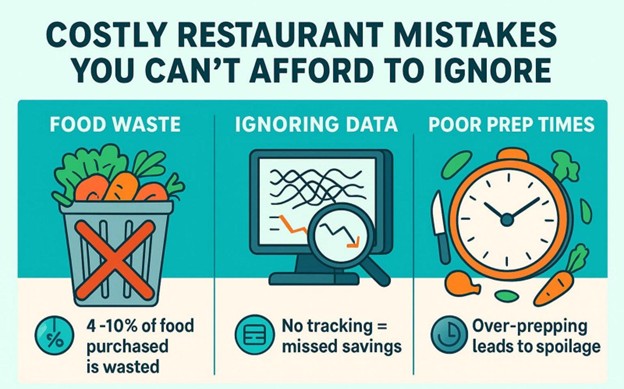
By hearing what others went through, new owners can avoid “data nightmares” in point-of-sale systems and useless vanity metrics. Chris Heffernan of dlivrd Technologies, for example, explains why most operators are wrong about prep times when they rely only on gut feeling.
Fixing small, false assumptions like this, using advice from the podcast, can save a new restaurant thousands of dollars in labor and food waste in the first few months.
Key Lessons for First-Time Restaurant Owners from Save Fry Oil Podcast
Restaurant Startup Success: Planning and Preparation
Restaurant success rarely happens by accident. Guest Jae Lee of Nowon explains that growing from one New York location to a multi-city concept takes constant drive and a clear leadership style that keeps staff motivated during the hardest services. The podcast stresses that the “honeymoon phase” of a new opening is short, and long-term winners are the ones who planned for the “madness” by writing down their systems early.
Good preparation also means knowing your market. Many episodes talk about “customer education” when you bring in new cuisines or unusual ingredients. Whether you are trying to build a cocktail scene in a simple “meat-and-potatoes” town or opening a West African fusion spot, the podcast shows how to use social media and personal branding to make a tech-heavy or niche concept feel friendly and easy to understand.
Cost Management Tips: Rent, Prime Costs, and Commercial Kitchen Overhead
Susan Tung, owner of Hanoi House, gives a clear reminder: “The passion comes with it, but at the end of the day, the dollars and numbers pay the bills.” You hear this message again and again. The podcast teaches listeners how to handle key money ratios, especially rent and prime costs. For listeners like Jasmine from Chicago, this advice was a “wake-up call” that led her to track expenses weekly and find hidden costs that were quietly hurting the business.
Handling commercial kitchen overhead is more than just finding cheaper suppliers; it’s about smarter operations. The show explains how to turn a kitchen from a cost center into a profit driver by reviewing layout, workflow, and equipment—including cost-saving solutions like https://savefryoil.com/.
Simple ideas like the “Rent Rule” or watching how tariff spikes affect your cost of goods can mean the difference between a strong first year and closing early.
Why Financial Analysis Is Non-Negotiable for New Restaurants
Hoping for the best is not a plan. Malik, an operations manager from Nashville, shares how the podcast made him see he was just hoping the numbers would “work out” at month-end. The show pushes a strict, numbers-based approach. This means tracking food and labor costs each week to set a baseline. If your waste runs over 5%, you have a problem that needs fast action; if it’s under 3%, you’re doing well but can still look for gains.
Sustainable Restaurant Systems: Balancing Tradition and Innovation
Sustainability in a restaurant is about more than the environment; it’s also about how long the business and its team can last. The podcast explores the “Kaizen” mindset-getting a little better every day. This can show up in mentoring younger chefs or adding self-filtering fryer tools.
Finding a balance between old “cowboy cooking” habits and modern systems helps keep food quality high while reducing stress on staff and the budget.
Technology and Delivery: What to Consider before Opening
Today, technology is no longer optional. From AI and robotics in the guest journey to linked delivery tools, the podcast covers the basic “tech stack” new owners should know. Jim Harris of Western Computer talks about how technology has reshaped hospitality over the last 25 years and stresses that smooth integration is the key.
If your delivery app does not connect with your POS, you create a “data nightmare” that leads to lost orders and angry customers.
Featured Save Fry Oil Podcast Episodes for New Restaurant Owners
Black Restaurant Week: Case Study on Supporting Culinary Businesses
Episode 13 features Falayn Ferrell, talking about the major growth in support for small food businesses. Black Restaurant Week went from highlighting 20 restaurants to more than 1,500 across the country. This episode is a must-listen if you want to learn about data-driven advocacy and why restaurants are often the “soul of their communities,” even when they are passed over for tourism funding or city grants.
Is 50% of Your Restaurant’s Success Decided Pre-Opening?
In Episode 12, Ivan Brewer questions the usual thinking in hospitality. He explains why the industry’s profit model is often broken and shares worrying patterns he found while studying tech spending across big groups. This episode acts as both warning and guide for anyone who believes the hard work starts only after opening day.
Modernizing Second Generation Restaurants: Best Practices
Episode 11 takes listeners into Toronto’s Chinatown. The sisters behind Yueh Tung Restaurant share how their father’s illness changed everything and how they worked to modernize the business while their mother pushed back against changes that later saved it. It’s a raw view of family ties, tradition, and keeping a business alive.
Scaling Delivery without Tech Hassles: Expert Tips
In Episode 10, Chris Heffernan explains how to clean up off-premise operations. He talks about growing from a mom-and-pop shop to an enterprise brand and why real company culture matters more than shiny perks. This episode is key for understanding the true success rate of deliveries beyond marketing spin.
Meet the Hosts: Industry Stories and Real Restaurant Challenges
Episode 9 is lighter in tone but still valuable, giving you a feel for the voices you hear each week. The hosts share their early “food memories,” their favorite comfort food after a rough shift (like late-night McDonald’s or a 4 AM kebab), and the common irritations every pro recognizes. It reminds listeners that they are not alone in the daily chaos of the industry.
Cost-Saving Best Practices for Commercial Kitchens Discussed on the Podcast
Optimizing Fry Oil Usage for Maximum Savings
One of the most useful tips from the show covers one of the most costly and often ignored items in the kitchen: fry oil. The podcast is sponsored by Save Fry Oil, which offers tools that can cut oil costs by up to 50% without using power or chemicals. By making your oil last longer, you save money and serve food that is crispier and tastes better.
Managing Commercial Overhead Costs: The Rent Rule
Susan Tung’s rent advice is a key part of the show’s money talk. Knowing how to negotiate and manage your rent as a share of your expected sales is key to staying open. The podcast points out that good cost control lays the base for long life, and ignoring these ratios is one of the main reasons new restaurants close early.
Prime Cost Control: Actionable Strategies from Industry Leaders
The podcast supports a “Mastery” way of handling money. This means using workbooks, templates, and spreadsheets to track every dollar. From the price of one ounce of salad dressing to the labor cost of a prep shift, experts on the show share tools that help you run a lean kitchen without lowering quality.
Frequently Asked Questions for Aspiring Restaurateurs
How Often Should You Replace Fryer Oil for Cost Efficiency?
Most kitchens replace oil based on color or a set schedule, but the podcast suggests using tools like Frylow to stretch oil life by up to 50%. Regular testing and better filtration systems help you stop throwing away “liquid gold” too early while still keeping food standards high.
Can Save Fry Oil Solutions Be Integrated with Existing Kitchen Equipment?
Yes. A major message on the show is that you don’t always need a full kitchen rebuild to see gains. Many money-saving tools they discuss, including Frylow, are built to work with what you already have, needing no power or harsh chemicals to start cutting costs right away.
When Should You Expect Noticeable Savings after Adopting Podcast Advice?
Many guests and listeners say they see change almost at once. Testimonials on the site mention owners turning profit margins around in as little as one month after they began tracking prime costs and using the delegation and management tips shared by the hosts.
What Maintenance Considerations Come with Oil Management Tools?
The podcast is honest about the hard parts. It explains that any tool only works well when people are trained to use it. Regular maintenance, correct cleaning, and basic troubleshooting are part of the “Restaurateur Resources” they offer, helping your investment keep paying off for years.
Restaurateur Resources and Further Listening from Save Fry Oil Podcast
How to Access All Save Fry Oil Podcast Episodes
All 14 episodes of “Restaurant Talk” are available on major platforms like Spotify and Apple Podcasts. You can also watch video versions of some episodes on Vimeo and read detailed show notes on the official Save Fry Oil website, which support and expand on the audio content.
Recommended Episodes for Restaurant Startup Guidance
If you’re just starting, the “Introduction” episode and the shows featuring Jae Lee and Anton Kinloch are especially helpful. They walk through the emotional and practical challenges of the first 60 days of a restaurant’s life-a period that often shapes the long-term future of the business.
Additional Tools and Templates for First-Time Owners
Beyond the audio, the podcast ecosystem offers “Restaurateur Resources,” such as guides, tips, and tools for running a sustainable kitchen. These materials help you apply what you hear so a 40-minute episode turns into lasting, real-world gains in your bottom line.
The Future of Flavor and Efficiency
As we move further into 2026, the restaurant industry keeps changing quickly. Alongside the core operations advice in the podcast, there are wider trends reshaping menus and guest expectations. For example, “Ube”-the bright purple sweet potato from the Philippines-has moved from specialty shops to mainstream menus, even showing up in coconut cold foams at high-end coffee roasters.
The “swicy” (sweet-and-spicy) trend, seen in hot honey and Korean-style marinades, has shifted from fad to a standard option on many menus. Learning these flavor trends, along with the “Kaizen” approach of steady improvement highlighted by Jamie Henderson of Wagamama, helps new owners stay current while still making money.
The aim is not just to open the doors, but to build a restaurant strong enough to hit a 50-year anniversary, similar to the Melting Pot, which grew from a three-item menu into a global interactive dining brand.
Find a Home-Based Business to Start-Up >>> Hundreds of Business Listings.