

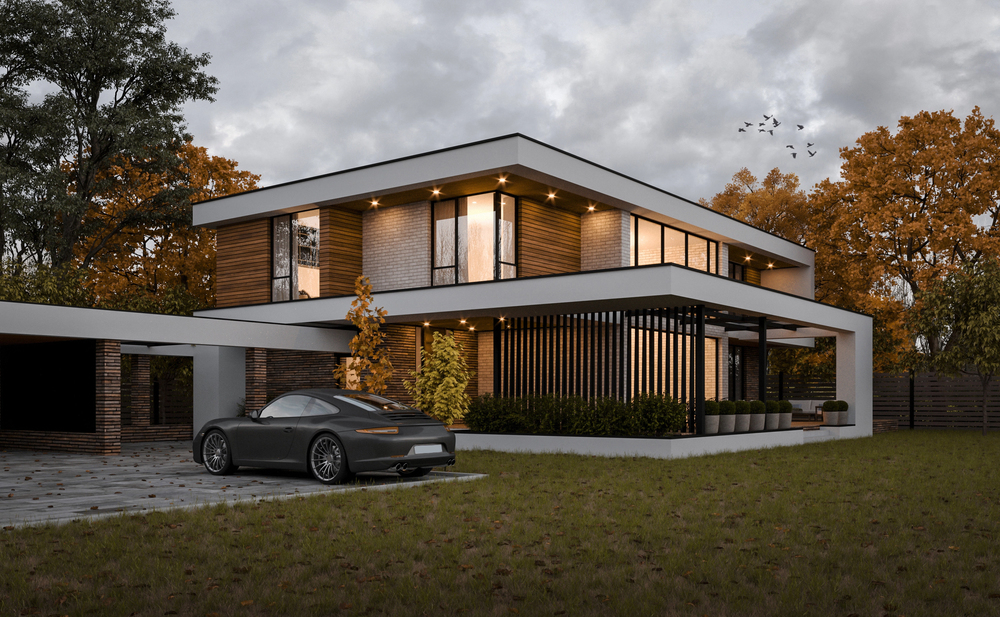






































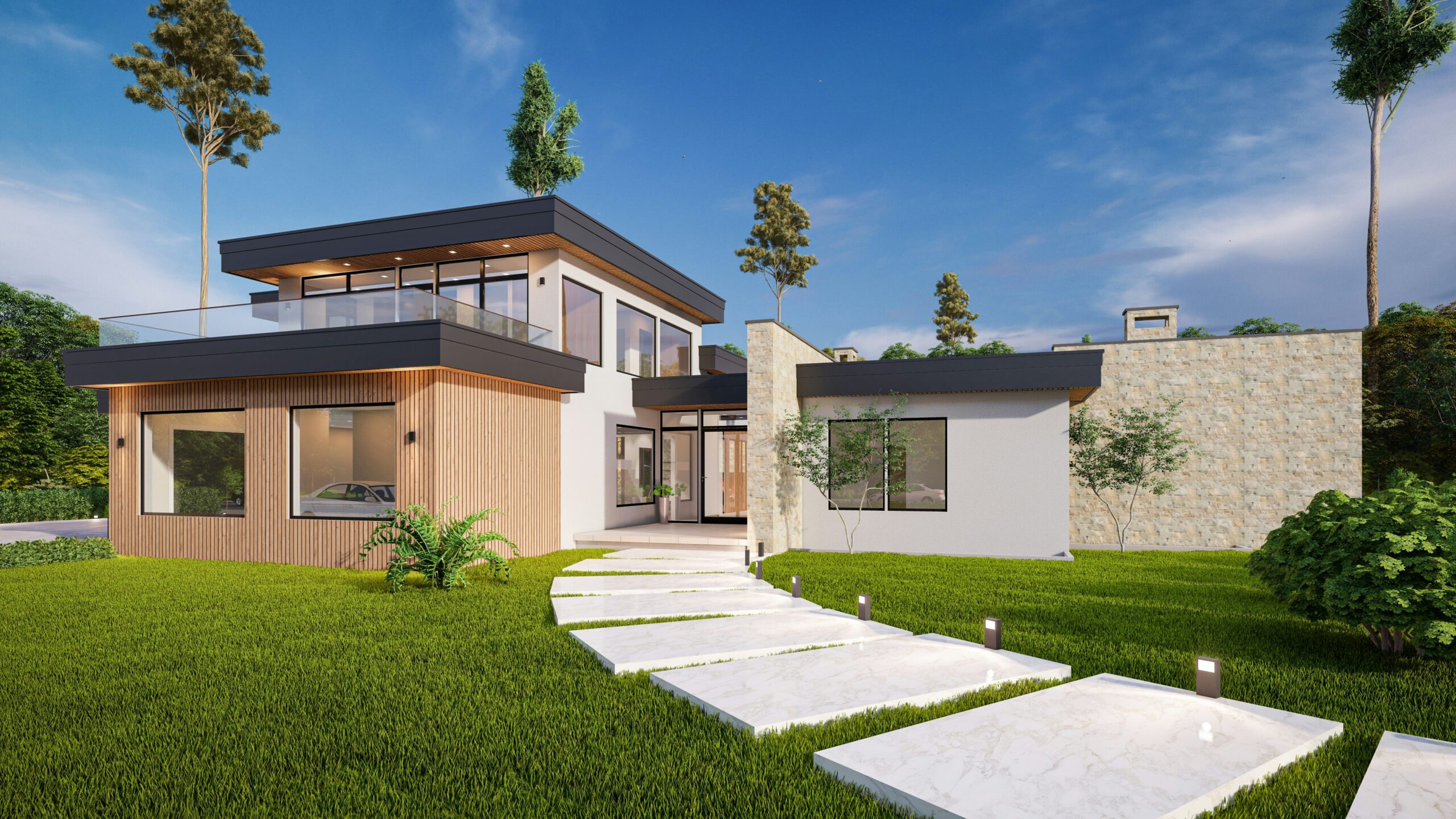
There’s a moment during every home design process when you realize that choosing just one material for your exterior feels limiting. Here’s the good news: you don’t have to choose. New home construction and renovation projects increasingly embrace mixed-material facades, and the results are transforming neighborhoods across America.
The days of single-material “cookie-cutter” homes are fading. Today’s most captivating exteriors tell richer stories through thoughtful material combinations that add texture, depth, and personality. But mixing materials isn’t just about slapping different surfaces together—it’s an art form that requires understanding scale, balance, and visual hierarchy.
Why Mix Materials?
A single-material facade, no matter how beautiful, creates a flat visual plane. Mixed materials break up that monotony, creating layers that add architectural interest even to modest home designs.
There’s also a practical angle. Different materials excel at different jobs. Stone provides unmatched durability at ground level. Wood brings warmth at eye level, where its texture can be appreciated. Metal accents add modern punch without covering the entire wall. By combining materials strategically, you get both aesthetic appeal and functional performance.
Popular Material Combinations That Work
Certain material pairings have proven themselves time and again, delivering both visual impact and long-term performance. Here are the combinations that consistently create stunning results.
Stone & Wood
This combination has graced American homes for over a century, and for good reason. Stone anchors the base of your home with visual weight and permanence—think fieldstone, limestone, or stacked stone veneer creating a solid foundation appearance. Wood siding or shingles on upper levels lightens the look while introducing natural texture and warmth.
The Craftsman style perfected this approach, but it translates beautifully to contemporary designs too. The key is proportion: typically, stone covers the lower third to half of the facade, with wood taking over from there. Cedar, cypress, or modern composite wood products all pair beautifully with stone.
Stucco & Stone or Metal
Smooth stucco provides the perfect counterpoint to either rugged stone or industrial metal. A stucco body with stone accent columns framing an entry creates a Mediterranean or Spanish Colonial vibe. Pair that same stucco with horizontal metal siding or panels, and suddenly you’re in sleek contemporary territory.
This combination works because stucco’s uniform surface lets textured or reflective materials become focal points. If you’re working with experienced contractors like Mbremodels, who specialize in remodeling and renovation projects, they can help you navigate the technical requirements of combining these materials—particularly ensuring proper flashing and weather barriers where different surfaces meet.
Brick & Siding
Painted brick is having a moment, and when combined with contrasting siding, it creates a stunning visual impact. Picture white or soft gray painted brick on the lower level with charcoal or black lap siding above. The contrast is bold without being jarring, sophisticated without feeling cold.
This combination also offers flexibility for future updates—painted brick can be refreshed with a new color if tastes change, while quality siding maintains its appearance with minimal maintenance.
Natural Meets Industrial
Combining earthy materials like wood and stone with industrial elements such as steel, aluminum, or concrete panels brings urban sophistication to residential design. Think natural cedar siding interrupted by a vertical metal chimney chase, or stone veneer walls punctuated by steel-framed window assemblies. This pairing bridges traditional and contemporary, creating homes that feel both grounded and forward-thinking.
Design Principles for Mixed-Material Success
Start with a Focal Point
Every facade needs a hero—the place your eye lands first. Is it a grand entryway framed in stone? A garage wall clad in wood slats? A metal-paneled second story? Choose your focal point first, then build your material strategy around it.
Balance Your Textures
This is where many DIY projects go wrong. Pair rough with smooth, matte with reflective. If you’re using heavily textured stone, balance it with smooth stucco or clean-lined metal. Too many busy textures competing creates visual chaos.
Mind the Scale
Large-format materials like stone veneer panels need to be balanced with finer details. Pair them with narrower lap siding or vertical board-and-batten to create scale variation. A facade where everything is the same size reads as flat, even with multiple materials.
Stick to a Cohesive Color Palette
Here’s a simple rule: limit yourself to 2-3 complementary colors across all materials. Neutral stone with gray or taupe siding works. Natural wood against charcoal metal panels works. Five different colors competing for attention? That’s a recipe for confusion.
Testing Before Committing
Here’s expert advice that will save you from costly mistakes: never choose materials from small samples alone. Request large samples—at least 12×12 inches—and view them outside your home in morning, afternoon, and evening light. Colors and textures that look perfect in a showroom can read completely differently on your actual site.
Place sample combinations against your existing foundation or roof to see how they work with elements that aren’t changing. Take photos from the street to get a sense of how they’ll read from a distance.
The Practical Payoff
Beyond aesthetics, mixed materials deliver real benefits:
- Enhanced durability through using the right material for each application
- Increased home value via distinctive, custom-looking exteriors
- Reduced maintenance when industrial elements like fiber cement or metal replace high-maintenance wood in vulnerable areas
- Energy efficiency opportunities through strategic use of thermal mass materials like stone
Moving Forward
Mixing exterior materials transforms a house into a home with character and presence. Whether you’re planning new construction or renovating an existing home, this approach offers endless possibilities for creating something uniquely yours. The key is thoughtful planning, understanding fundamental design principles, and working with professionals who can execute your vision with proper detailing and weatherproofing.
Your home’s exterior is a long-term investment—taking the time to get the material mix right means enjoying a beautiful, distinctive facade for decades to come.
Find a Home-Based Business to Start-Up >>> Hundreds of Business Listings.