











































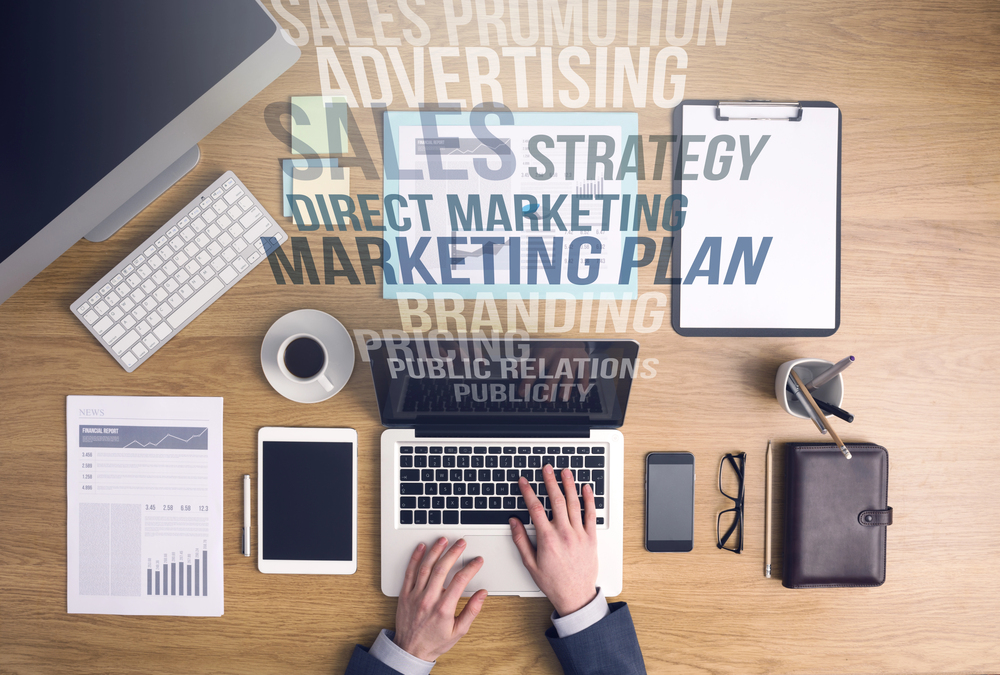
Markets move quickly. Buyer expectations shift. New channels appear, and old ones fade. Companies that gain ground are not louder; they are sharper. They rely on current methods, grounded data, and clear execution. This article breaks down practical, modern marketing approaches that help businesses earn attention, convert demand, and protect growth over time.
Why “Smarter” Marketing Matters Now
Competition is no longer limited to price or product features. It shows up in search results, social feeds, inboxes, and buying experiences. Every touchpoint shapes perception.
Smarter, up-to-date marketing methods focus on efficiency and relevance. It replaces broad assumptions with evidence. It prioritizes what works today, not what worked five years ago. This mindset helps teams allocate budgets wisely and avoid chasing trends that do not convert.
The goal is simple: reach the right people, with the right message, at the right moment.
Data as the Foundation, Not the Afterthought
Modern marketing starts with data. Not vanity metrics, but actionable signals. These include conversion paths, content engagement, lifetime value, and customer acquisition costs.
Teams that lead their markets use data to guide decisions before campaigns launch. They test assumptions early. They refine messaging based on performance, not opinion.
This does not require complex systems to begin. Even basic analytics tools can reveal where prospects drop off, which channels drive qualified traffic, and which messages resonate. Over time, this clarity compounds. Small improvements add up to meaningful gains in market share.
Audience Understanding Beats Broad Reach
Reaching everyone often means connecting with no one. Up-to-date marketing methods emphasize precision.
Audience segmentation is no longer optional. Buyers expect relevance. They respond to brands that understand their context, challenges, and timing. This requires combining demographic data with behavioral insights.
Clear personas help teams align messaging across channels. They also prevent wasted spending. When marketing speaks directly to a defined group, conversion rates rise, and sales cycles shorten.
One well-researched audience can outperform ten loosely defined ones.
Content That Serves a Purpose
Content remains central, but its role has evolved. Today’s content must do more than fill space. It needs to answer real questions and support decision-making.
Educational articles, case studies, and practical guides build trust. They position a brand as useful rather than promotional. This approach supports long-term visibility and short-term lead generation.
Search performance is closely tied to content quality. Algorithms reward clarity, depth, and relevance. Many marketers track best practices discussed by Harvard Business Review to understand how thoughtful content influences buyer behavior and organizational trust.
Strong content also supports other channels. It fuels email campaigns, sales conversations, and social distribution. One solid asset can serve multiple purposes.
SEO as a Growth Channel, Not a Checklist
Search engine optimization has matured. It is no longer about isolated keywords or technical fixes alone. Effective SEO aligns content, site structure, and user intent.
Modern SEO strategies consider how people search, not just what they type. This includes long-form queries, comparison searches, and problem-based intent. Pages built around these needs tend to attract higher-quality traffic.
In the middle of a growth strategy, many teams look to frameworks like the Sure Oak SEO + AI game plan to align organic visibility with emerging automation tools and smarter content workflows. The focus is on scalability without sacrificing relevance.
When SEO supports business goals, it becomes a durable source of competitive advantage.
Omnichannel Consistency Builds Confidence
Buyers move between channels before making decisions. They may discover a brand through search, research on social platforms, and convert through email or direct outreach.
Smarter marketing ensures consistency across these touchpoints. Messaging should reinforce the same value proposition, even when adapted for different formats. Visual identity, tone, and promises must align.
This consistency reduces friction. It builds confidence. Prospects feel they are dealing with a credible organization, not a collection of disconnected campaigns.
The strongest brands feel familiar before the first conversation.
AI and Automation as Support Systems
Artificial intelligence is no longer experimental in marketing. It supports research, personalization, and performance analysis.
Used correctly, AI saves time. It helps teams analyze large data sets, identify patterns, and generate insights faster. Automation streamlines repetitive tasks like email sequencing, reporting, and audience targeting.
However, AI works best as an assistant, not a replacement. Human judgment still matters. Strategy, creativity, and ethics require oversight. The businesses that win use technology to enhance decision-making, not avoid it.
Measurement That Leads to Action
Measurement should drive change. Too often, reports are produced and ignored.
Up-to-date marketing teams define clear success metrics tied to revenue and growth. They review performance regularly and adjust tactics quickly. This feedback loop keeps campaigns relevant.
Short test cycles matter. A/B testing, pilot campaigns, and incremental improvements reduce risk. They also create learning cultures where insights are shared, not siloed.
When measurement informs action, marketing becomes a growth engine rather than a cost center.
Adapting Faster Than Competitors
Market leaders adapt faster than others. They monitor signals, listen to customers, and respond without delay.
This does not mean constant change. It means intentional evolution. Teams should review strategies quarterly, not annually. They should sunset underperforming channels and double down on what works.
Agility requires alignment. Marketing, sales, and leadership must share goals and insights. When teams move together, execution improves, and momentum builds.
Closing Thoughts
Winning market share today requires focus, discipline, and modern tools. Smarter, up-to-date marketing method is not about doing more. It is about doing what matters, consistently and well.
Businesses that invest in data, relevance, and adaptability position themselves to grow even in crowded markets. They earn attention. They build trust. And over time, they pull ahead.
Find a Home-Based Business to Start-Up >>> Hundreds of Business Listings.


