








































Key Takeaways
- Recognizing your learning style is key to choosing the right study materials. Without this first step, you may waste time on materials that don’t align with your way of thinking.
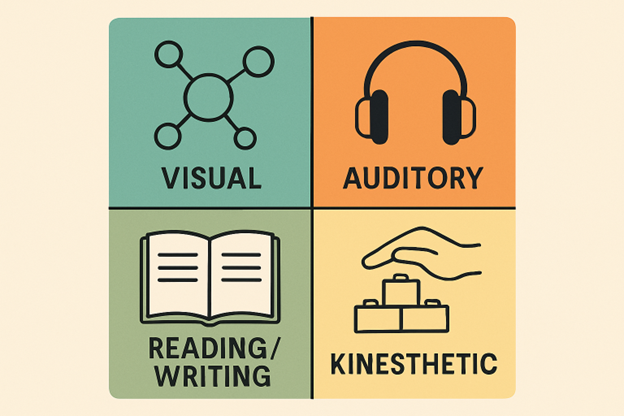
- There are four core learning styles: visual, auditory, reading/writing, and kinesthetic. Each type uses distinct study approaches and resources.
- Customizing your study approach enhances recall, understanding, and exam performance by working with—not against—your natural strengths and tendencies as a learner.
Finding the most effective study resources can significantly improve your academic performance and confidence. Selecting materials that match how you naturally learn allows you to absorb and retain information more efficiently, making your study sessions more productive and less stressful. Students preparing for exams, such as the CAS test prep, can optimize their study process by understanding which study approaches suit them best, which in turn leads to higher scores and reduced anxiety. Whether you’re a high school student aiming for college entrance exams, an undergraduate navigating challenging coursework, or a professional seeking certification for career advancement, identifying your learning style is the first crucial step in achieving success. The process of choosing the right study materials doesn’t have to be overwhelming; by taking the time to discover what works best for you, you’re investing in more effective and satisfying learning experiences that build long-term knowledge and skills. Study materials vary because learners have different styles. Some learn best visually through diagrams and mind maps, others through listening and discussion, reading and writing, or hands-on, kinesthetic activities. Understanding your personal learning style helps you choose the most effective tools, improve comprehension, and retain information more efficiently.
Identifying Your Learning Style
Understanding your unique learning style lays the foundation for academic achievement. The four primary types, visual, auditory, reading or writing, and kinesthetic, form the basis for most individuals’ preferred learning approaches. Visual learners prefer to engage with materials using diagrams, images, and color-coded notes, which helps them see relationships and organizational patterns in information. Auditory learners favor listening and discussion, as they can follow spoken explanations well and often benefit from repeating concepts aloud. Reading and writing learners excel with text-based material, such as textbooks, printed notes, and detailed guides, and tend to process ideas thoroughly by taking structured notes and rewriting information in their own words. Kinesthetic learners, on the other hand, learn best through hands-on engagement, such as manipulating objects, conducting experiments, and practicing skills in real-life situations. Resources like this U.S. News guide on aligning ACT and SAT preparation with your learning style highlight how tailoring study methods to these preferences can significantly improve comprehension and retention.
To pinpoint your learning style, it’s helpful to take a self-assessment or discuss your learning habits with an academic advisor or mentor. Many colleges and universities provide quizzes designed to identify how you learn most effectively, allowing you to adapt your study strategies for stronger and more consistent academic performance.
Choosing Study Materials Based on Your Learning Style
Once you’ve identified your learning preference, choosing the right study materials that match your style to maximize engagement and retention. Deliberately choosing resources that align with your learning strengths prevents frustration, keeps you motivated, and often leads to better academic performance in both the short and long term.
Visual Learners
- Create mind maps and flow charts to organize key ideas, making complex or abstract information more understandable and accessible.
- Color-code your notes for structure and easier fact-recall, using pens, sticky notes, and highlighting to draw attention to important details.
- Watch instructional videos and use infographics for complex concepts, as visual explanations can clarify difficult material and help you remember it better.
Auditory Learners
- Listen to recorded lectures or audiobooks, which can be replayed as needed to reinforce understanding and fill gaps in note-taking.
- Discuss topics aloud with peers or in study groups, as conversation can help you process and retain new concepts more effectively.
- Use verbal repetition—talk through your ideas or read materials out loud to yourself to reinforce what you’ve read or heard.
Reading/Writing Learners
- Take thorough notes and rewrite concepts in your own words, which helps with comprehension and memory.
- Study traditional textbooks and comprehensive guides, focusing on dense, well-organized material and structured study schedules.
- Utilize flashcards and self-testing writing exercises, such as practice essays or written summaries, to strengthen recall and recognition of key points.
Kinesthetic Learners
- Engage with material through models, labs, or hands-on exercises, which allow you to experience and interact with concepts first-hand.
- Move around as you review notes—pace, use gestures, or even walk while listening to audio guides to keep your mind engaged.
- Create simulations or practice problems in real-world scenarios, turning study sessions into active, practical learning opportunities.
Integrating Multiple Learning Styles
Many students do not fit squarely into a single category and may benefit from blending methods. For example, pairing visual mind maps with reading/writing strategies can provide a dual approach, allowing for both structure and deeper understanding. Alternatively, combining group discussions with hands-on activities, such as labs or projects, can powerfully reinforce learning by engaging different senses and thought processes. Flexibility with your study approach can also help you tackle more challenging material and adapt to diverse academic demands, especially in subjects that require multiple skill sets, such as math, languages, or science. By experimenting with multiple methods, you can continually refine your approach and discover which combination yields your best results.
Utilizing Technology to Enhance Learning
Technological tools now provide tailored resources for every type of learner. Visual learners can use apps and platforms to create diagrams and interactive flashcards that can be customized for any subject. Auditory learners might subscribe to subject-specific podcasts, use speech-to-text tools to capture notes, or record their own summaries to listen to later. Comprehensive note-taking platforms offer reading/writing students a flexible way to organize, search, and annotate text. Meanwhile, kinesthetic learners might find value in virtual labs, game-based learning apps, or online platforms that simulate real-world scenarios and provide immediate feedback. Exploring the right educational technology can complement your learning style, keep you engaged, and make studying more interactive and motivating.
Conclusion
Aligning your study materials and techniques with your learning style is a strategic investment in your education. Understanding and embracing your style helps you study smarter—not harder—leading to greater confidence and better results on exams like CAS test prep and beyond. By regularly assessing your approach and experimenting with a blend of materials and technologies, you can continue to improve your academic outcomes throughout your learning journey. Remember, the most effective learners are those open to adapting and refining their methods, always seeking out new strategies that enhance their ability to absorb, process, and recall information for long-term success.
Find a Home-Based Business to Start-Up >>> Hundreds of Business Listings.