









































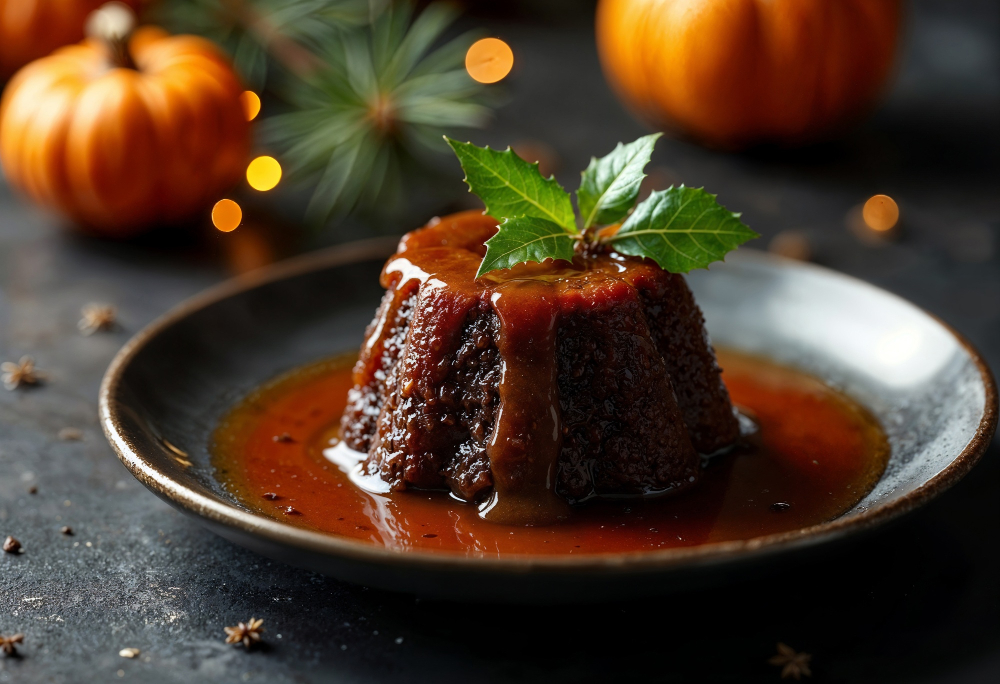
Sticky toffee pudding is a dessert associated with warm, comforting flavors and traditional British baking techniques. It combines a moist sponge base with a rich toffee sauce and is a dessert that feels indulgent while still relying on simple ingredients.
Many home bakers enjoy making it because it delivers consistent results when prepared with the right tools, including high-quality ceramic cookware, which helps maintain even heat during the baking process.
Although its ingredients are modest, the dessert’s reputation has grown internationally, with variations appearing on restaurant menus and in home kitchens worldwide.
The Origins of Sticky Toffee Pudding
The history of sticky toffee pudding is rooted in British culinary traditions. While the exact origin is debated, most accounts trace it back to mid-twentieth-century England, where it first appeared in small inns and local restaurants before gaining recognition across the country.
Some stories connect it to coastal towns where chefs experimented with date-based desserts, blending traditional British puddings with new flavors introduced from abroad. Others attribute its development to hotel chefs who adapted earlier recipes to create a dessert with broader appeal.
As British cuisine began influencing international menus, sticky toffee pudding moved beyond the United Kingdom. Restaurants introduced the dessert to travelers, who carried the recipe and appreciation back to their own countries.
Over time, versions emerged with minor adaptations to suit regional preferences. Some variations use additional spices, while others experiment with toppings or alternative sauces. Despite these differences, the core elements of the dessert have remained consistent.
What Is Sticky Toffee Pudding Like Today?
Modern sticky toffee pudding retains many of the characteristics that originally popularized it. At its foundation is a moist, tender sponge cake often made with chopped dates that soften during baking. These dates contribute natural sweetness and help achieve the dessert’s signature texture. The sponge is typically dense enough to retain its shape while remaining soft, allowing it to absorb sauce easily without becoming mushy.
The toffee sauce is another essential element. Made from butter, sugar, and cream, the sauce delivers a smooth, caramel-like flavor and a glossy finish that complements the sponge. When poured over the warm cake, it creates a contrast between the soft interior and the rich topping. Some versions incorporate a second drizzle before serving to make sure that each bite contains the full depth of flavor.
Temperature plays a crucial role in shaping the dessert’s experience. Sticky toffee pudding is often served warm, which enhances its aroma and texture. Heat softens the sponge slightly, allowing the sauce to blend naturally into the cake. This warmth creates the ideal consistency, highlighting the dessert’s most appealing qualities. Portion size also contributes to its identity. While some desserts rely on large servings, sticky toffee pudding is traditionally served in modest portions due to its richness.
How Do You Prepare Sticky Toffee Pudding at Home?
Preparing sticky toffee pudding at home involves simple steps and a focus on quality ingredients. Success begins with selecting fresh dates; keep in mind that freshness influences both the flavor and consistency of the sponge. Soaking the dates before mixing helps soften them, ensuring a smooth texture throughout the cake. Once the dates are prepared, they are combined with a batter made from basic pantry ingredients, including flour, eggs, and sugar.
Even temperature distribution is essential for achieving the dessert’s characteristic texture. Baking the sponge in a dish that retains heat well helps produce consistent results, especially when preparing larger portions. This is why many home bakers prefer cookware that maintains steady temperatures, preventing uneven rising or overbaking around the edges.
The toffee sauce requires attention to heat control. As butter, sugar, and cream melt together, they create a thick, smooth sauce that must be stirred consistently to avoid burning. The sauce should be prepared shortly before serving to retain its ideal consistency. Pouring it over the warm sponge allows the flavors to blend naturally, creating the dessert’s signature combination of textures.
Some home cooks also choose to add toppings. Options like whipped cream, vanilla custard, or a simple scoop of ice cream can complement the dessert by adding temperature contrast or balancing richness. These additions are optional, but they contribute to a more complete presentation.
A Classic Worth Revisiting
Sticky toffee pudding has earned its lasting place in dessert traditions through its warm flavors, reliable texture, and straightforward preparation. Its evolution from local British kitchens to international recognition highlights its universal appeal, while its foundational ingredients keep it accessible to everyday bakers.
By understanding how the dessert developed, what defines it, and how it can be prepared at home, anyone can appreciate why sticky toffee pudding continues to hold a special place on menus and in home baking routines.
Find a Home-Based Business to Start-Up >>> Hundreds of Business Listings.