











































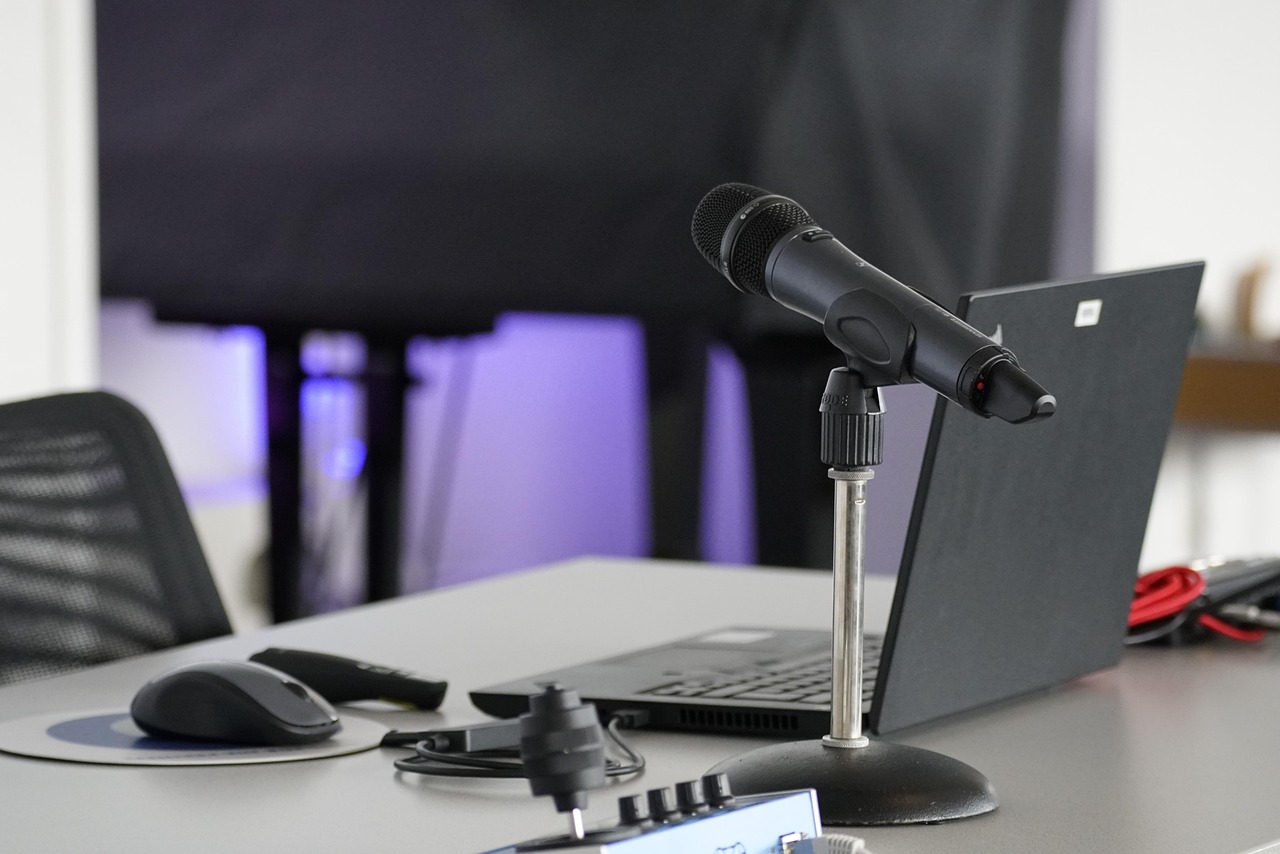
When you picture a home business, you might imagine someone working on a laptop at their kitchen table. While that’s true for some, many successful home-based ventures rely on a whole lot more than just a computer and a decent Wi-Fi connection. Your business might depend on a high-end camera, a suite of expensive software, or a specialized crafting machine.
These tools are the engines of your income. When they work, you thrive. When they don’t, everything can grind to a halt. That’s why learning to manage them effectively isn’t just a “big company” task—it’s a secret superpower for the serious home entrepreneur.
What Are Assets in a Home Business, Really?
The word “asset” can sound a bit formal, but it’s simply anything of value that helps your business make money. Asset management for a home business goes far beyond the cash in your bank account. It’s the physical and digital equipment you use every single day to serve your clients and create your products.
Think about what your business truly runs on. It might include things like:
- High-performance computers, multiple monitors, and networking gear
- Specialized photography or video equipment
- 3D printers, laser cutters, or advanced crafting machines
- High-value software subscriptions or perpetual licenses
Each of these items represents a significant investment. Protecting that investment is a fundamental part of running a smart business, no matter its size.
The Hidden Costs of Equipment Failure
For a solopreneur, an unexpected equipment failure is more than just an inconvenience. A broken camera can mean canceling a paid photoshoot. A crashed hard drive could mean losing irreplaceable client work and damaging your reputation. Downtime isn’t just frustrating; it’s a direct hit to your bottom line.
Then there are the surprise repair bills that can wreck your budget. Scrambling to fix a problem is always more stressful and often more expensive than taking steps to prevent it in the first place. This reactive approach can keep you stuck in a cycle of putting out fires instead of growing your business.
A Smarter Way to Manage Your Business Tools
The solution is to shift your mindset from reactive to proactive. This means knowing what you have, knowing its condition, and having a plan to keep it in top shape. It starts with a simple inventory. List your key pieces of equipment, when you bought them, and what their warranty status is. This simple document is the foundation of asset management for your home business.
Larger companies have entire departments for this and use comprehensive enterprise asset management software to track everything from vehicles to factory machines. While you don’t need something that complex, the principle is the same: know what you have and take care of it intentionally.
Putting Proactive Maintenance into Practice
Once you have your inventory, you can create a simple maintenance plan. This doesn’t have to be complicated. It can be as easy as a recurring calendar reminder to clean your camera lenses once a month or run diagnostic software on your computer every quarter. The goal is to catch small issues before they become big, expensive problems.
Keeping a log of any issues or repairs can also be incredibly helpful. If you notice your printer is jamming more frequently, you can address it before it fails during a critical print run. This systematic approach is the core of what maintenance management software does for big operations, but a simple notebook or spreadsheet works perfectly for a business of one.
Level up Your Home Business Operations
Treating your home business with this level of professionalism sends a powerful signal—to yourself and your clients. Managing your assets well reduces stress, minimizes costly surprises, and ensures you can deliver your best work consistently. It protects your investments and makes your business more resilient and profitable.
Ready to get started? Take ten minutes today to create a list of your top five most important business assets. It’s the first step toward building a stronger, more dependable business from the comfort of your home.
Conclusion: Turn Organization Into Opportunity
Your home business may run from your living room, but it deserves the same operational discipline as any larger company. When you actively track, maintain, and protect your essential tools, you reduce downtime, control costs, and create a more stable foundation for growth.
Asset management isn’t about complexity—it’s about consistency. A simple inventory, regular maintenance reminders, and documented repairs can dramatically extend the life of your equipment and protect your income stream.
By embracing smarter systems and practical software solutions for small business, you transform everyday organization into a strategic advantage. And that’s when asset management truly becomes your home business superpower.
Find a Home-Based Business to Start-Up >>> Hundreds of Business Listings.


